
Oral Bpc 157 With Or Without Food
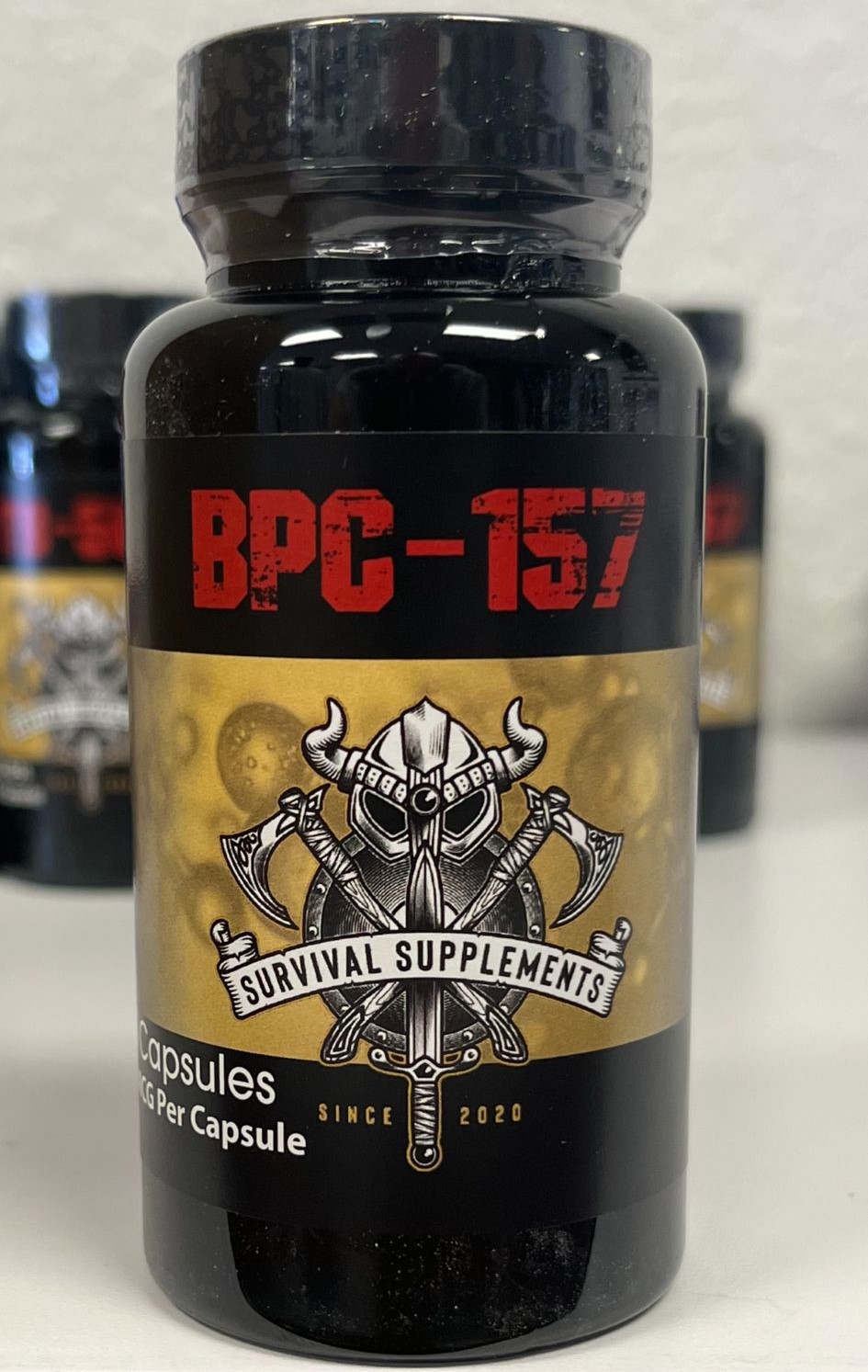
Hey everyone! Ever heard whispers about BPC-157? It’s been buzzing around fitness circles and biohacking communities, touted for its potential healing properties. But one question keeps popping up: should you take oral BPC-157 with or without food?
Let's dive into this little mystery and see what we can uncover, shall we? Think of it like being a detective, but instead of solving a crime, we're cracking the code to optimize BPC-157's effects. Cool, right?
What's the BPC-157 Buzz All About?
Okay, quick detour for the uninitiated. BPC-157, short for Body Protection Compound-157, is a peptide sequence. Now, peptides are basically short chains of amino acids, the building blocks of proteins. Think of them as mini-proteins. BPC-157 is naturally found in your stomach and it's getting attention for possibly promoting healing, reducing inflammation, and even protecting your gut. Sounds like something out of a sci-fi movie, but it's very real! It's like having a tiny, internal repair crew working overtime.
Must Read
The Great Food Debate: To Eat or Not to Eat?
So, back to the original question: food, yay or nay? There isn't a definitive, universally agreed-upon answer. And honestly, that’s part of what makes this so interesting. Think of it like choosing between coffee or tea – both have their perks, right?
Taking it on an empty stomach: Some folks swear by taking BPC-157 first thing in the morning, before any food hits their system. The idea here is that it allows for maximum absorption. No other nutrients competing for space, just pure, unadulterated BPC-157 goodness. Imagine a VIP pass directly into your bloodstream. Sounds appealing, doesn’t it?
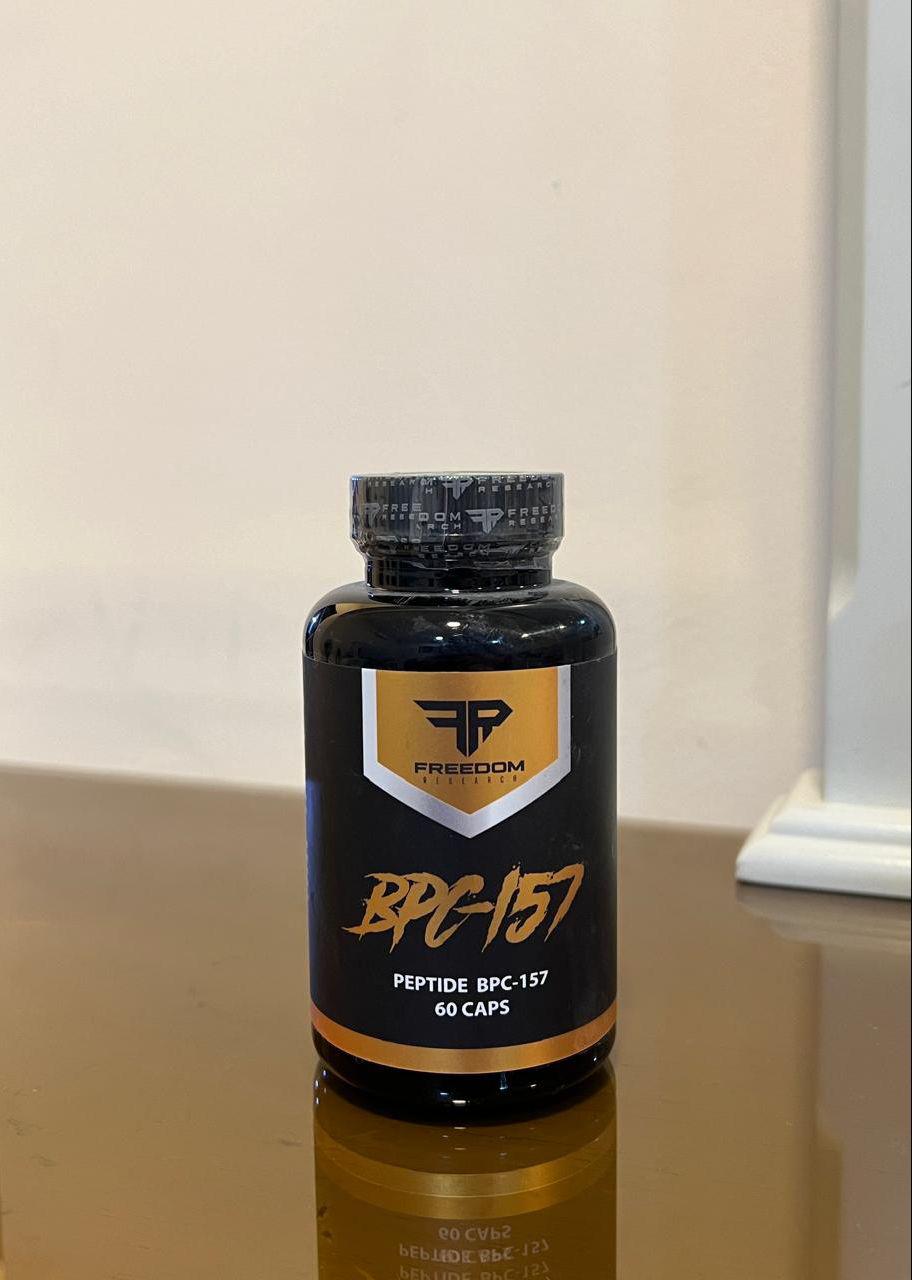
Taking it with food: Others prefer pairing their BPC-157 with a meal. Why? Some speculate that food can help protect the peptide from breaking down in the harsh environment of your stomach acid. Plus, let’s be real, remembering to take something with a meal is often easier than trying to remember on an empty stomach. Consistency is key, right? It's like having a bodyguard escorting your BPC-157 through the digestive jungle.
Why the Uncertainty? Let's Get Science-y (But Not Too Much!)
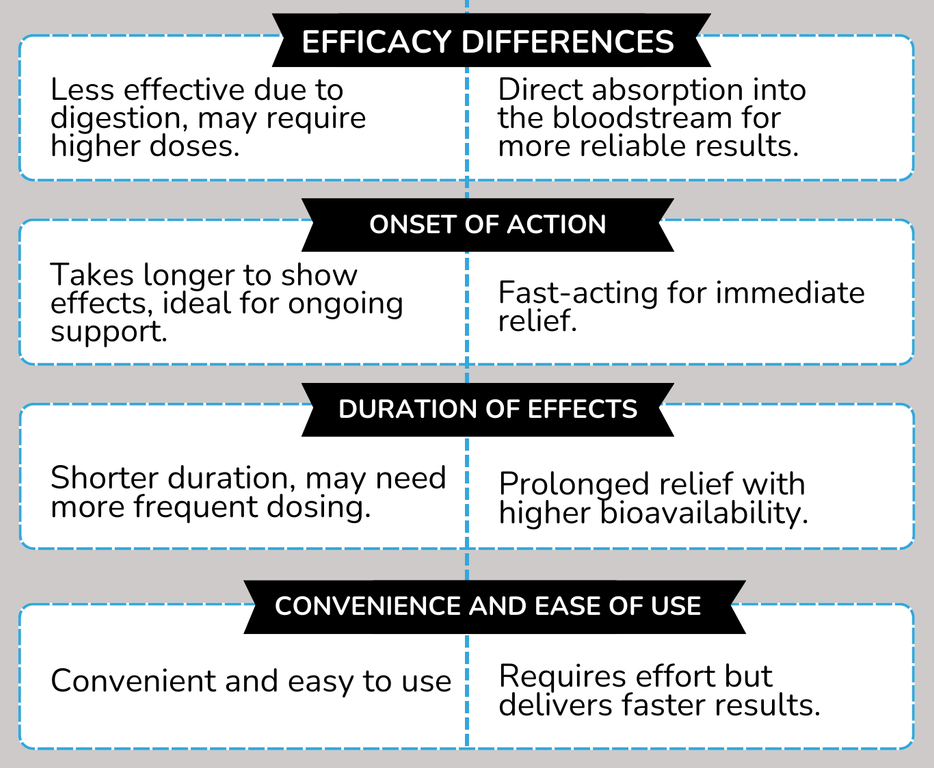
The reason for the debate is simple: we need more research! While studies have explored BPC-157’s effects, there's still a lot we don't know about its oral bioavailability (how much actually gets absorbed and used by your body) and how food impacts that. It's a puzzle with some pieces missing. Imagine trying to assemble a Lego set without all the instructions – a bit tricky, but still fun!
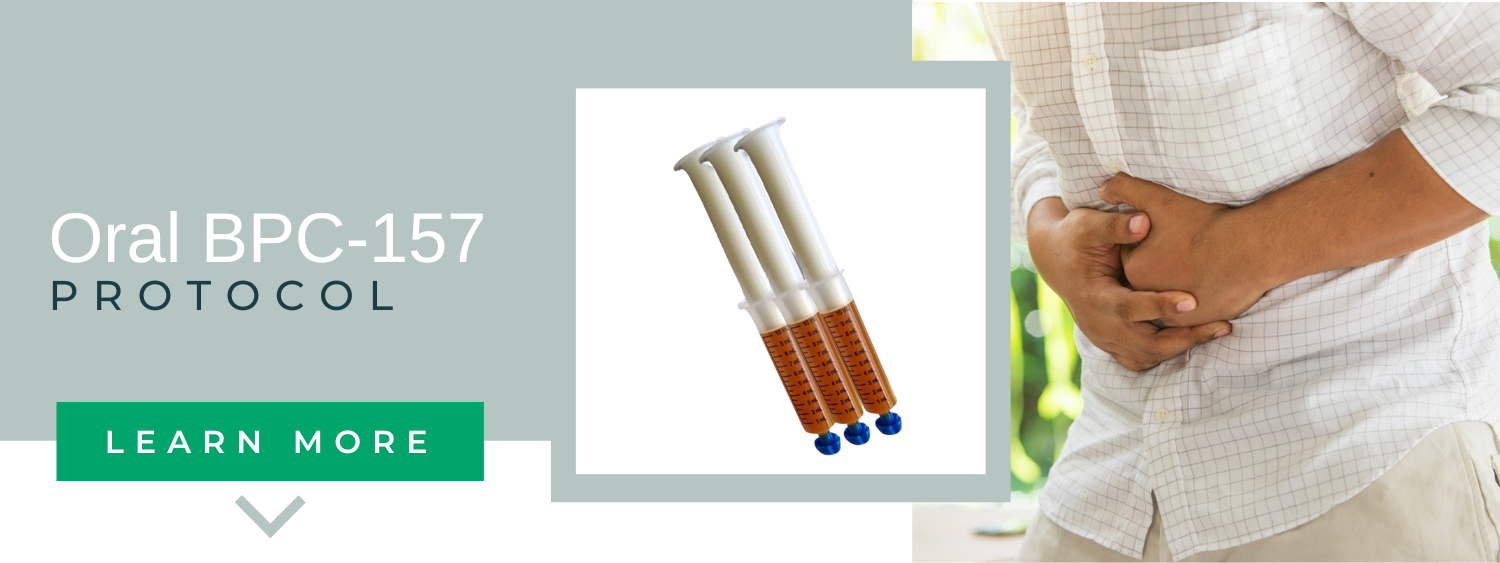
The acidity of your stomach can definitely break down peptides. So, the argument for taking it on an empty stomach hinges on rapid absorption, while the argument for taking it with food focuses on protection from that acidity. See the dilemma?
So, What Should YOU Do?
Alright, here's the million-dollar question. Since the science is still evolving, the best approach is often to listen to your own body! Think of yourself as a scientist conducting your own personal experiment.
Start with a small dose, regardless of whether you choose to take it with or without food. Pay attention to how you feel. Are you experiencing any positive effects? Any negative ones?

Experiment! Try taking it on an empty stomach for a week and then with food for a week. Keep a journal. Note any differences in how you feel, your energy levels, or any specific symptoms you're hoping BPC-157 will address. It's like keeping a logbook on a spaceship, charting new territories in your own body!
Talk to a healthcare professional. This is crucial! While BPC-157 is showing promise, it's important to discuss it with your doctor, especially if you have any underlying health conditions or are taking other medications. They can offer personalized advice based on your specific needs. It’s always a good idea to get a professional opinion before adding any supplements to your routine.
The Bottom Line: It's All About Finding What Works For You
Ultimately, the decision of whether to take oral BPC-157 with or without food is a personal one. There's no single "right" answer. The key is to be informed, listen to your body, and, most importantly, consult with a healthcare professional. This isn’t a race, it’s a journey to find what helps you feel your best!
Think of it like this: you're not just taking a supplement; you're embarking on a biohacking adventure! And who knows, maybe your own experiments will contribute to a better understanding of this fascinating compound. Isn't that exciting? Keep exploring, keep questioning, and keep learning!
Disclaimer: This article is for informational purposes only and does not constitute medical advice. Always consult with a qualified healthcare professional before starting any new supplement or treatment.