
Optimum Heating Temperature For Home

The Great Indoor Debate: Finding Your Home's Happy Temperature
Ah, the thermostat! It's not just a dial or a screen on your wall; it's often the silent referee in countless household dramas. We all chase that elusive perfect feeling, that "just right" warmth that wraps around you like a favorite blanket.
But what truly is the optimum heating temperature for a home? Is there a magic number? The truth, as it often is, is a delightful mix of science, personal preference, and a little bit of family diplomacy.
Think of your home's heating as a quest for the ultimate cozy sanctuary. It's less about a strict rule and more about creating an atmosphere where everyone, from your littlest human to your furry best friend, feels utterly content.
Must Read
The Thermostat Tug-of-War: A Universal Comedy
Hands up if you've ever been in a thermostat skirmish! It's a tale as old as central heating itself. One person wants it feeling like a tropical getaway, while another prefers a brisk, invigorating chill.
My partner, for instance, believes that anything above 68 degrees Fahrenheit is practically an inferno. Meanwhile, I'm often found wrapped in a blanket, dreaming of a toasty 72.
This isn't just a quirky family dynamic; it's a testament to how profoundly personal our ideal comfort levels are. What feels warm to one might feel merely "not freezing" to another.
The humor in these temperature battles often comes from the stealthy adjustments. You turn it up, only to find it mysteriously lowered an hour later. It’s a silent, passive-aggressive dance of the digits.
"The ideal home temperature is usually one degree higher than whoever just touched the thermostat prefers."
This playful struggle highlights an important point: there's no single "optimum" for every single person under your roof. Compromise, it turns out, is the warmest setting of all.
Beyond the Budget: Unexpected Perks of Smart Heating
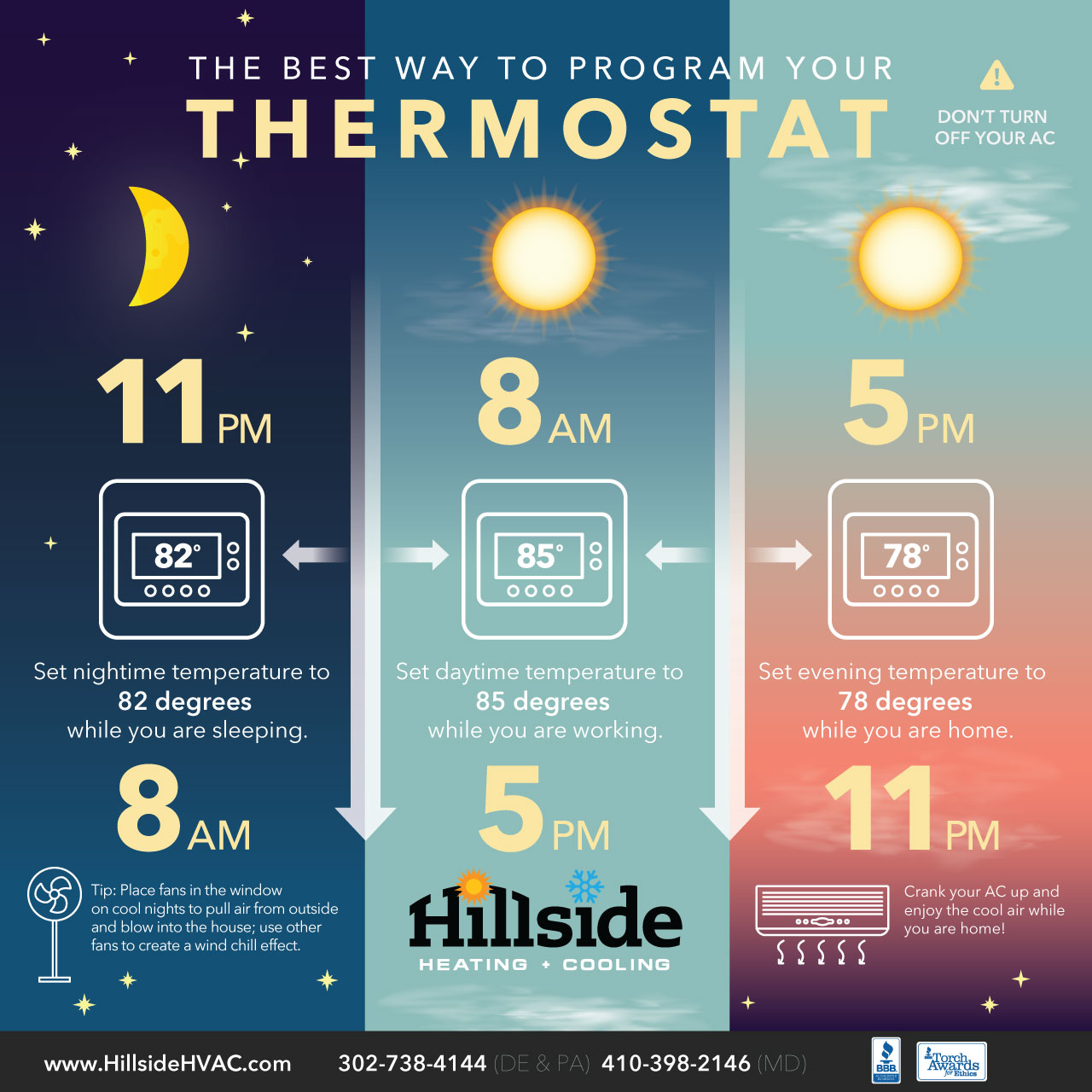
Of course, we all know that turning down the heat can save a few bucks on the energy bill. That's the practical, grown-up reason. But what about the surprising, heartwarming side effects?
Consider your pets. Have you ever noticed your cat slowly migrating through the house, chasing sunbeams or finding the warmest spot on the rug? They are expert optimizers!
Our dog, Buddy, has a specific sleeping spot near the vent when it's chilly, but moves to the coolest tile in the kitchen when the house gets too warm. Their comfort often mirrors our own, just with more dramatic napping.
A slightly cooler home at night, say around 65 degrees Fahrenheit, can actually lead to better sleep. Your body naturally prefers a cooler environment for deep, restorative slumber.
It's a surprising benefit: you save money, and you wake up feeling more refreshed! Who knew your thermostat held the key to better z's?
The Goldilocks Principle: Not Too Hot, Not Too Cold
So, if there's no universal magic number, how do we find our home's personal "Goldilocks Zone"? It's all about listening to your body and observing your household's habits.
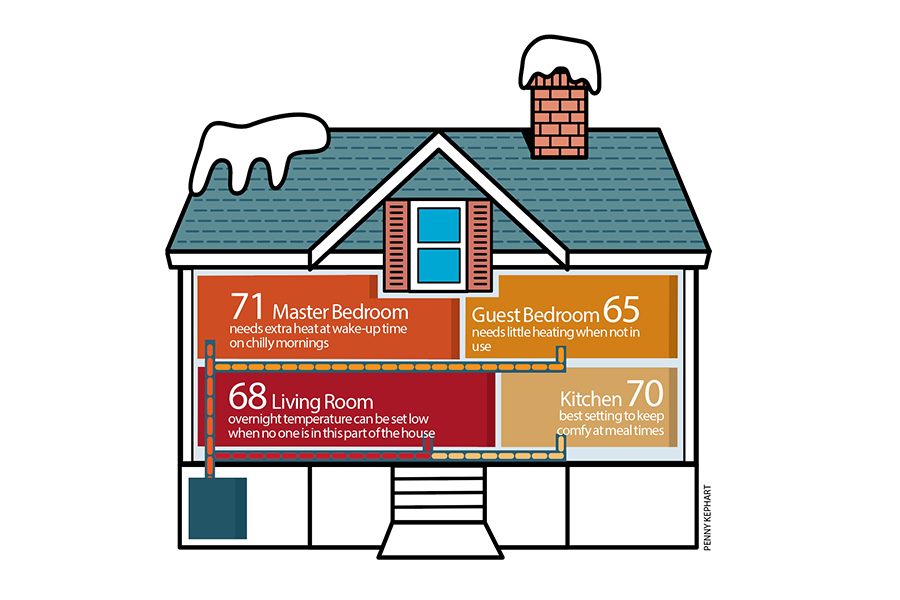
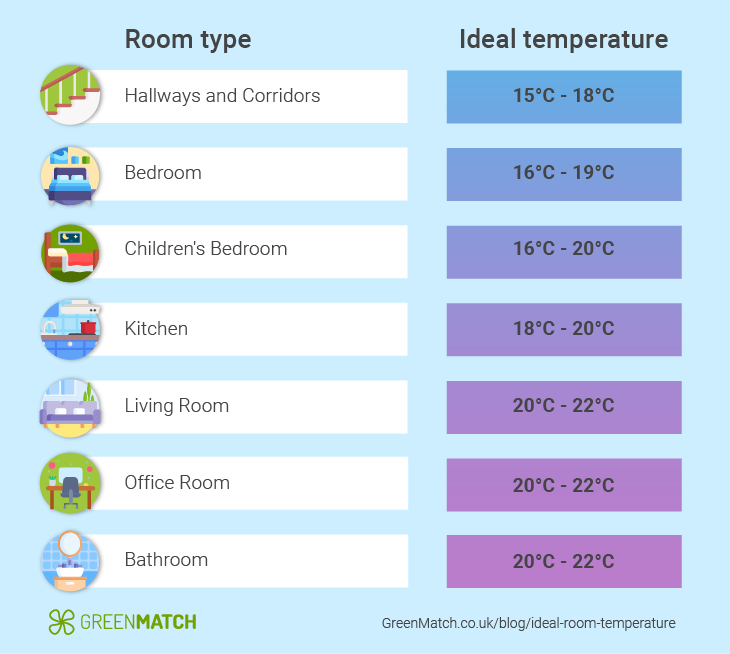
For daytime living, when you're active, many experts suggest aiming for around 68-70 degrees Fahrenheit. This range is often comfortable enough that you're not reaching for a sweater indoors, but not so warm that you feel sluggish.
When you're away from home, or even just for a few hours, consider dropping the temperature a few degrees. Your home doesn't need to be toasty for an empty sofa.
Automating this with a smart thermostat like an Ecobee or Nest can feel like having a tiny, energy-saving butler. It learns your routine and adjusts accordingly, making the "Goldilocks" search effortless.
Imagine coming home after a long day to a house that's perfectly pre-warmed, without you having to lift a finger. That's a truly heartwarming modern convenience.
The Power of the Layers: An Oldie But a Goodie
Before you crank up the heat to tropical levels, remember the power of a good sweater! This isn't just a budget tip; it's a comfort philosophy.
Putting on a cozy cardigan or even some woolly socks can make a surprising difference. It allows you to keep your thermostat a degree or two lower, and still feel utterly snug.
Plus, there's something inherently heartwarming about being bundled up indoors on a chilly day. It evokes images of reading by the fire, sipping hot cocoa, and embracing the season.
Think of it as actively participating in your own comfort, rather than just passively relying on your furnace. It's a small, empowering act of self-care.
Seasonal Sensibilities and the Human Factor
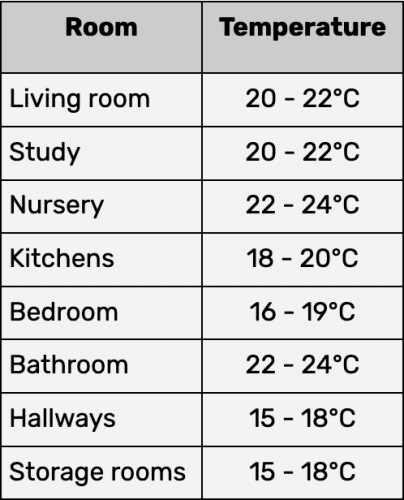
The "optimum" also shifts with the seasons. A temperature that feels just right in the crisp air of early autumn might feel too cool when the deepest winter chill sets in.
Our bodies adapt, and so should our thermostats. Be flexible! The goal is always comfort, not adherence to a rigid number.
Consider who lives in your home. Are there elderly family members who feel the cold more acutely? Babies who need a slightly warmer environment? These factors absolutely play a role in defining your home's optimal warmth.
Ultimately, the optimum heating temperature isn't a single scientific fact; it's a dynamic, living concept. It's about finding that sweet spot where everyone feels genuinely happy and comfortable.
It’s the silent hum of warmth that allows for lazy Sunday mornings, boisterous family dinners, and peaceful, uninterrupted sleep. It’s the invisible embrace of your home, making every moment inside feel just right.
So, next time you approach that thermostat, remember it's more than just a temperature control. It's a tool for creating happiness, fostering peace (mostly!), and defining the unique warmth of your very own home.