One Kwh Is How Many Watts

Ever stared at your electricity bill, feeling like you needed a decoder ring and a degree in advanced physics just to understand what "kWh" means? You're not alone, my friend. It's one of those terms that pops up everywhere, usually right before your wallet gets lighter, and most of us just nod vaguely and hope for the best. Today, we're going to demystify it, and maybe even have a chuckle or two along the way.
The big question often swirling around is: "One kWh is how many watts?" And honestly, that question is a bit like asking, "How many miles per hour is one trip to the grocery store?" See? Doesn't quite compute, does it?
Let's Talk Watts: The Speedometer of Power
First, let's get cozy with watts. Think of watts as the speed at which electricity is being used or generated. It's like the speedometer in your car. A 100-watt light bulb is using electricity at a certain rate. A giant hairdryer might be a 1500-watt monster, sucking power way faster. The higher the watts, the faster it's chugging down juice.
Must Read
Imagine two people running: one's jogging at a steady pace (low watts), the other is sprinting like they just saw the last slice of pizza disappear (high watts). Watts tell you how fast they're expending energy.
Kilowatts: Just Bigger Watts
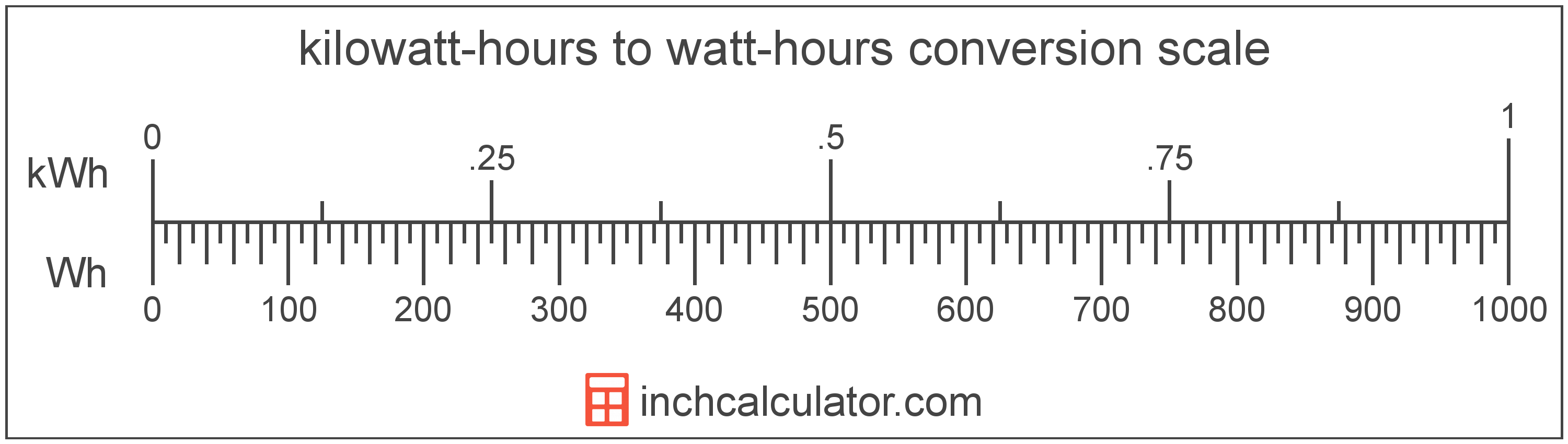
Now, a kilowatt (kW) is super simple. "Kilo" just means a thousand. So, 1 kilowatt is 1,000 watts. Your fancy coffee maker might be 1.2 kW, which means it's a 1200-watt beast. We use kilowatts just because it's easier to say "one point five kilowatts" than "one thousand five hundred watts" when we're talking about bigger appliances. It's like saying "a grand" instead of "a thousand dollars."
The Star of Our Show: The Kilowatt-hour (kWh)
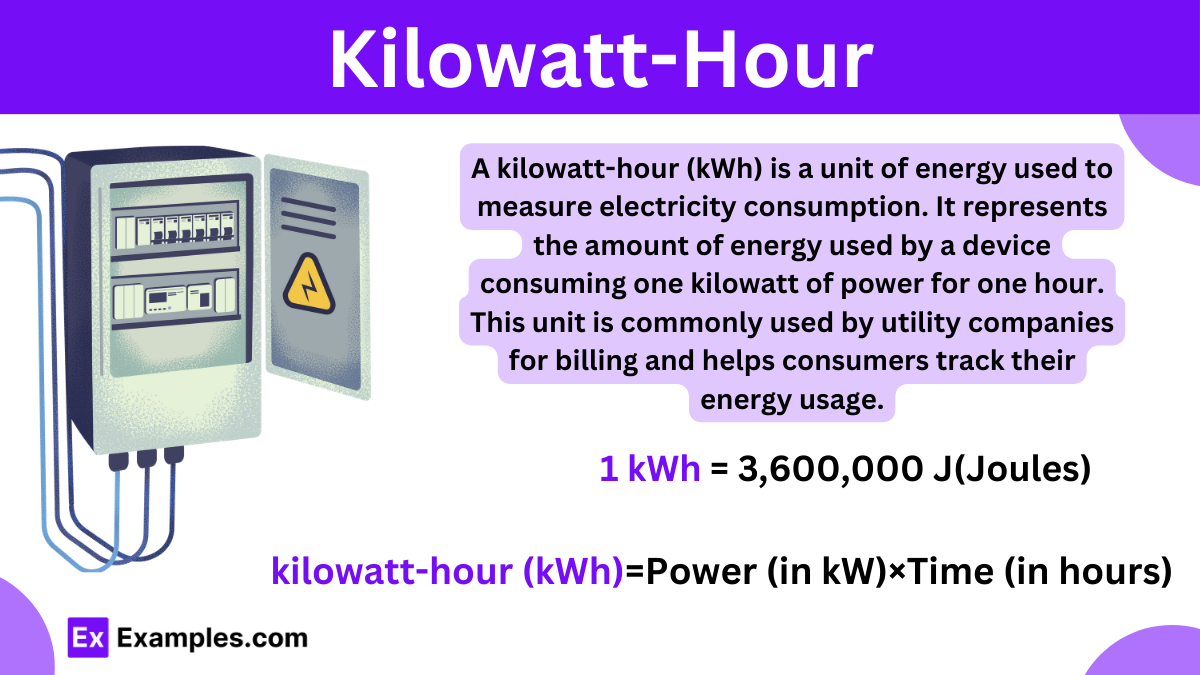
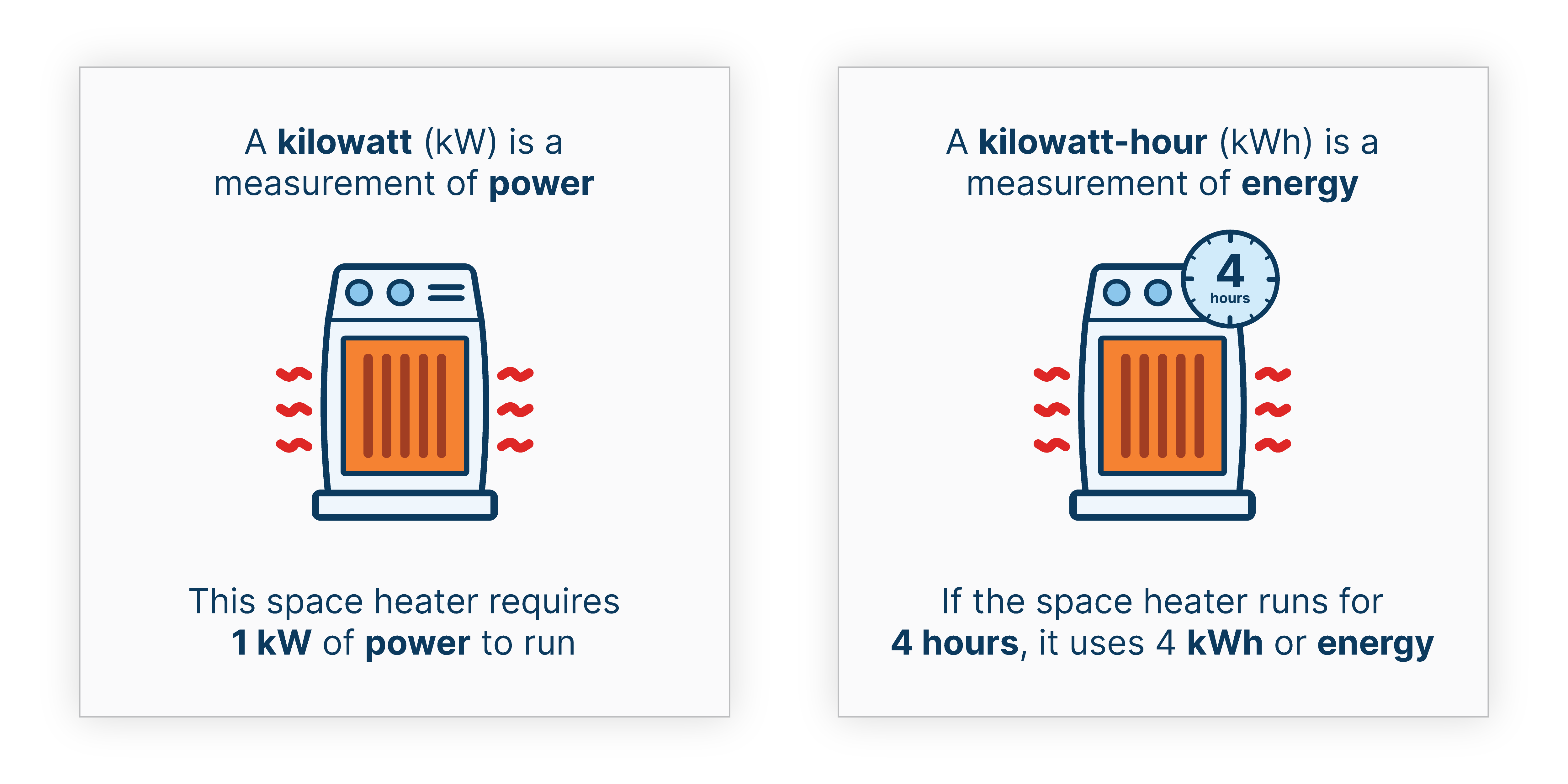
Alright, deep breath. Here's where it all comes together, and where we finally answer that nagging question (or rather, clarify why it's the wrong question!). A kilowatt-hour (kWh) is not about how many watts. It's about how much total energy has been used over a period of time. It's the total distance you've traveled, not how fast you were going at any given moment.
Think of it this way: Watts (or kilowatts) are how fast your car can go. Kilowatt-hours are like the gallons of gas you've used on your trip. You might drive a fast car, but if you only go around the block, you won't use much gas. Conversely, a slower car on a cross-country trip will guzzle a lot of fuel.
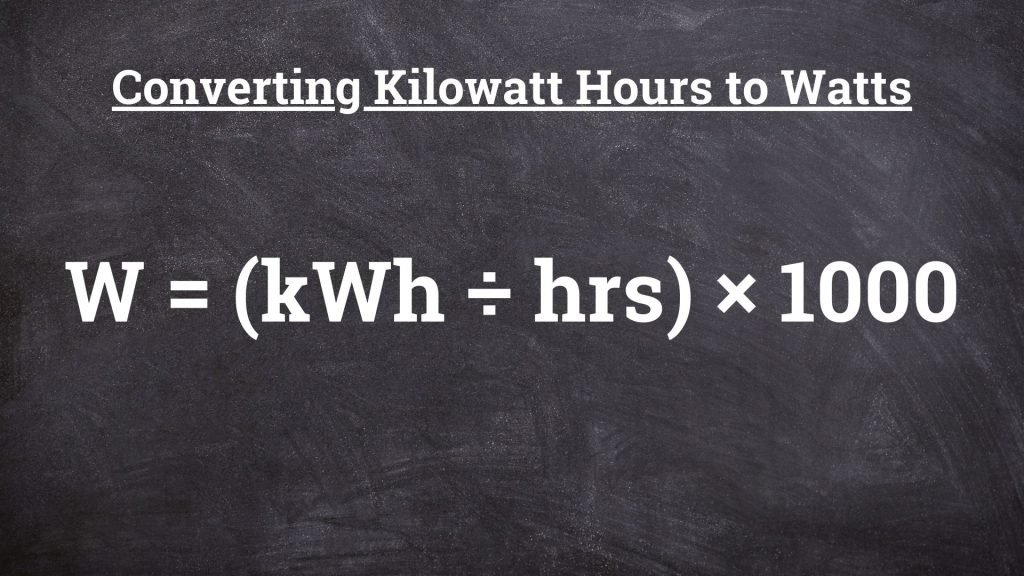
So, one kWh means that you've used 1 kilowatt of power for 1 hour. Or, if you prefer, 1,000 watts for 1 hour. Get it? It's power multiplied by time.
Let's make it real:
- Your powerful gaming PC, let's say it pulls 500 watts (0.5 kW). If you game for 2 hours, you've used 0.5 kW * 2 hours = 1 kWh.
- That old-school 100-watt incandescent light bulb (remember those?). To use 1 kWh, it would have to be on for 10 hours (100 watts * 10 hours = 1000 watt-hours = 1 kWh).
- Your microwave, cooking up some popcorn, might be a 1200-watt (1.2 kW) unit. It runs for maybe 5 minutes (which is 1/12th of an hour). So, 1.2 kW * (1/12) hour = 0.1 kWh. Not much for one bag of popcorn, thankfully!
The electric company charges you for these kWhs. They don't care how fast your gadgets can go (their wattage); they care about how long you kept them running and at what speed (their total energy consumption).
The Big Takeaway (and why you can smile now)
So, when you see "1 kWh" on your bill, it's not saying "this is equal to X number of watts." It's saying, "you consumed the energy equivalent of a 1000-watt appliance running for one hour."
Next time someone asks, "One kWh is how many watts?", you can confidently (and perhaps with a knowing smirk) explain, "Ah, that's like asking how many miles per hour is one journey! Watts are the speed of power, but a kilowatt-hour is the total distance that power traveled over time. It's a kilowatt running for an hour!"
You've officially leveled up your understanding of electricity. Go forth and conquer those utility bills, my friend! You've got this!