One Billion Divided By One Million
We all love a good shortcut, a mental trick that helps us understand something big by making it smaller. Whether it's visualizing the solar system with fruit or understanding the national debt in terms of individual pizzas, humans are wired to simplify complex concepts. That's where the simple act of dividing one billion by one million comes in – it’s a powerful little mental exercise that illuminates the vastness of large numbers and makes them surprisingly relatable.
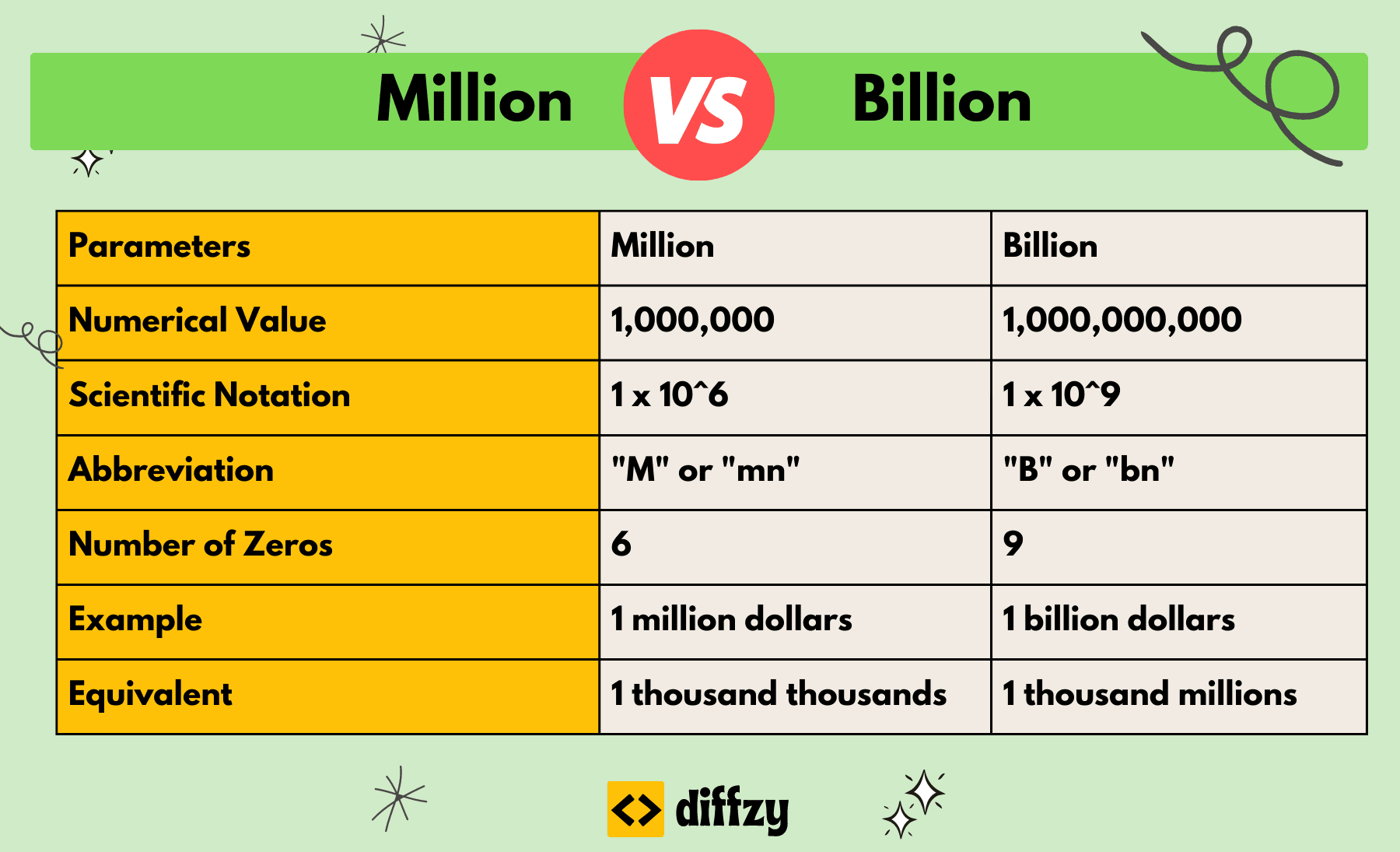
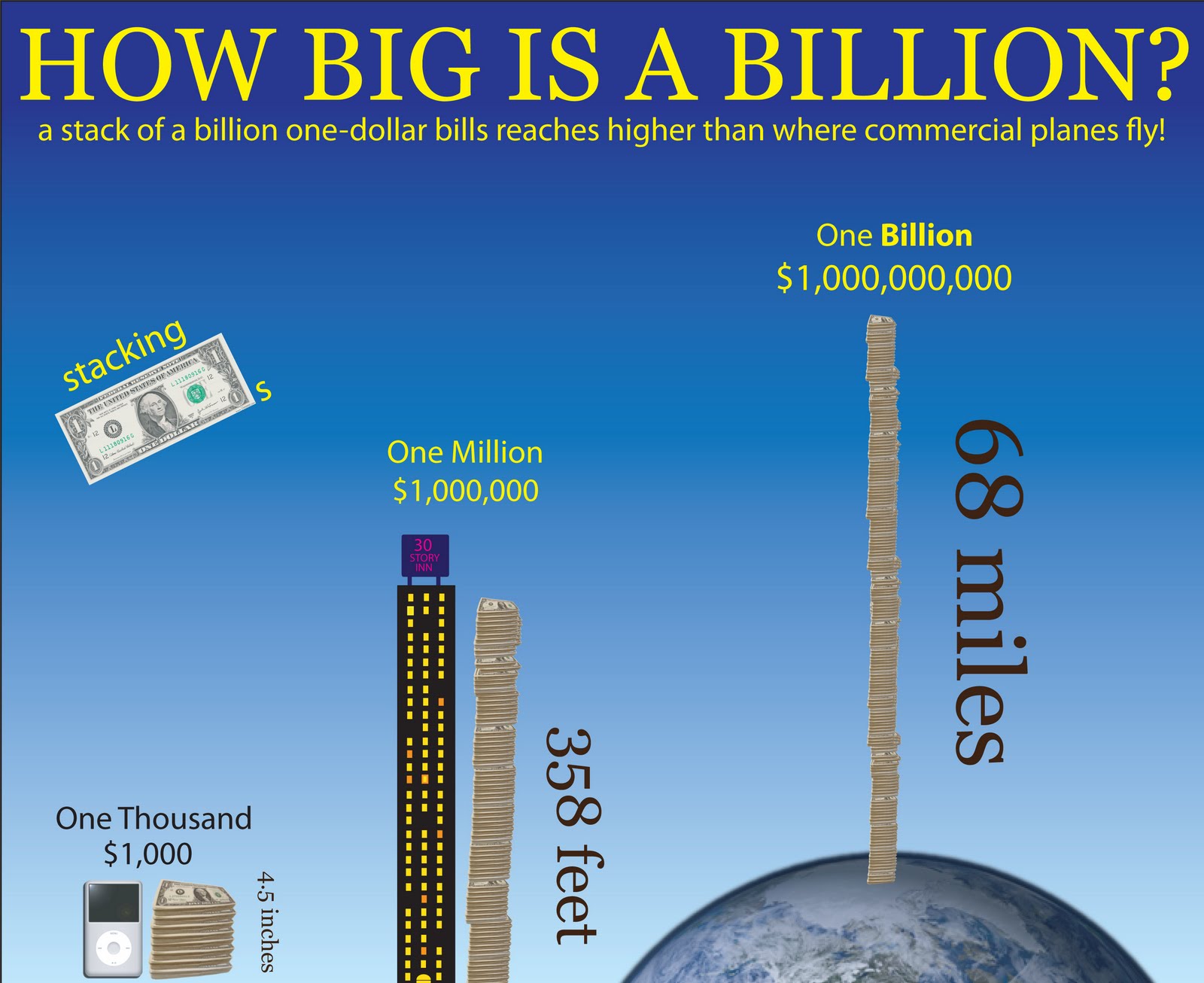
The fundamental benefit of performing this calculation (1,000,000,000 / 1,000,000 = 1,000) lies in its ability to provide perspective. We hear about billions all the time – billions of dollars, billions of people, billions of stars. But what does a billion really mean? By dividing it by a million, we're essentially asking, "How many millions make up a billion?" The answer, 1,000, suddenly makes the sheer scale more manageable. It transforms the abstract notion of 'a billion' into 'a thousand millions,' which is easier to grasp.
The applications of this mental exercise are incredibly diverse. Consider the national debt. You might hear that a country is billions of dollars in debt. Dividing that figure by the number of taxpayers (which is often in the millions) gives you a per-taxpayer share. Suddenly, that enormous national debt feels less like an incomprehensible number and more like a concrete figure impacting individuals. Or think about philanthropy. A wealthy individual pledges a billion dollars to charity. Dividing that by the number of people who need help provides a sense of the potential impact per person. These comparisons allow us to assess the true scope of these large numbers and their effect on a smaller, more relatable scale.
Must Read
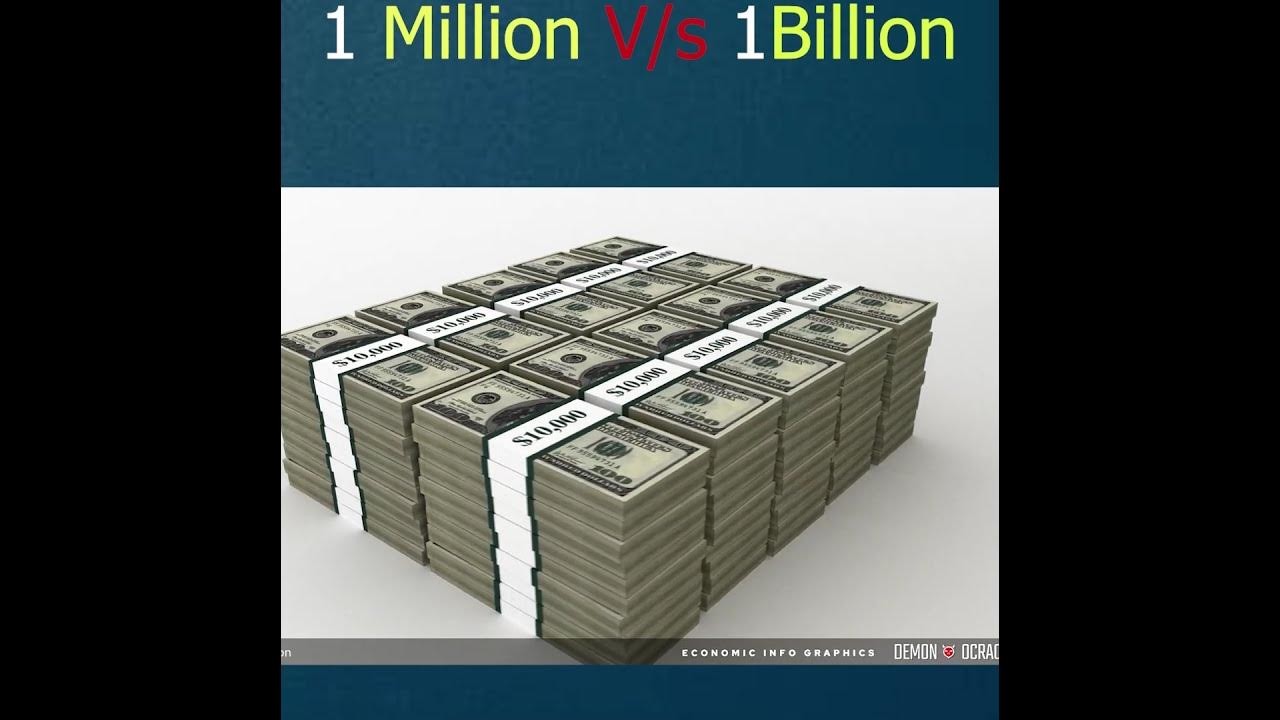
This simple division also helps in understanding relative wealth and economic disparities. Imagine two individuals: one with a net worth of a billion dollars and another with a net worth of a million. At face value, both seem wealthy. But dividing the billionaire's wealth by the millionaire's wealth reveals that the billionaire is a thousand times wealthier! This kind of comparison provides essential context for understanding income inequality and the distribution of resources.
So, how can you enjoy this exercise more effectively? Firstly, practice! Whenever you encounter a large number in the news or in your daily life, take a moment to mentally divide it by a million. Secondly, try to contextualize the result. Don’t just stop at “1,000.” Ask yourself, "What does 1,000 of something really mean?" A thousand cars? A thousand houses? This helps to create a tangible picture. Thirdly, use online tools and calculators to experiment with different numbers and scenarios. Play around with different quantities – billions, trillions, quadrillions – and see how the ratio changes when divided by millions. Finally, share this technique with others. Explain how dividing by a million can help make large numbers more understandable and meaningful. By doing so, you'll not only enhance your own understanding but also empower others to think critically about the world around them.