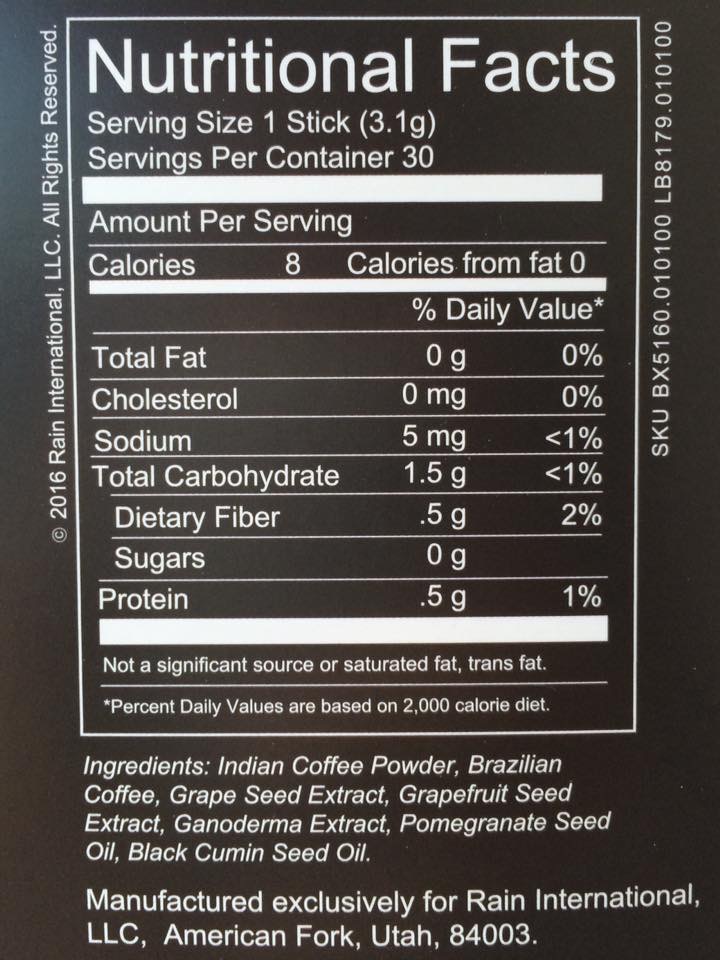
Nutritional Facts Of Coffee

Ever wondered what’s actually in that magical elixir that gets you going in the morning? Coffee, that beloved beverage, is more than just a caffeine delivery system. Understanding its nutritional facts is surprisingly interesting, and can help you appreciate your daily cup even more. Plus, knowing what it actually contains can help you make informed choices about your consumption habits.
So, what’s the purpose of delving into the nutritional side of coffee? Well, for starters, it's not just empty calories (because, thankfully, it largely is calorie-free!). Coffee boasts a range of beneficial compounds. Its primary benefit, of course, lies in its ability to provide a stimulant effect, courtesy of caffeine. This can improve alertness, focus, and even physical performance. However, the benefits extend beyond just a temporary energy boost.
Coffee contains several antioxidants, like chlorogenic acid, which may help protect your cells from damage caused by free radicals. Think of it as a tiny bodyguard army fighting for your well-being! Some studies have even suggested a potential link between coffee consumption and a reduced risk of certain diseases, such as type 2 diabetes and Parkinson's disease, although more research is always needed. Furthermore, coffee provides trace amounts of nutrients like magnesium, potassium, and niacin, although in relatively small quantities.
Must Read
How can this knowledge be applied? In education, a health class could explore the pros and cons of caffeine consumption, using coffee as a prime example. They could analyze the different types of coffee and their varying caffeine content. In daily life, understanding the nutritional aspects allows you to make informed decisions. For example, if you're sensitive to caffeine, you might opt for a lower-caffeine brew or switch to decaf. Knowing that coffee contains antioxidants might encourage you to incorporate it (in moderation, of course) into a healthy lifestyle.

Think about it: if you're tracking your micronutrient intake, knowing that your morning coffee contributes a small amount of potassium might be useful. Or, if you're trying to manage your caffeine intake for better sleep, you'll be better equipped to do so knowing that a typical cup contains around 95mg (but this can vary significantly depending on the brewing method and type of bean!).
Ready to explore further? A simple way to start is by checking the nutritional information of your favorite coffee beans or instant coffee. Many brands provide detailed information online. Experiment with different brewing methods – a French press, for example, can yield a different concentration of oils and compounds compared to a drip coffee maker. Pay attention to how different types of coffee affect you personally. Does a dark roast make you jittery? Does a lighter roast give you a smoother energy boost? Journaling your experiences can be a fun and insightful way to understand the impact of coffee on your body and mind. The key is to be curious and mindful about your coffee consumption!