Nursing Diagnosis For Atrial Fibrillation With Rvr
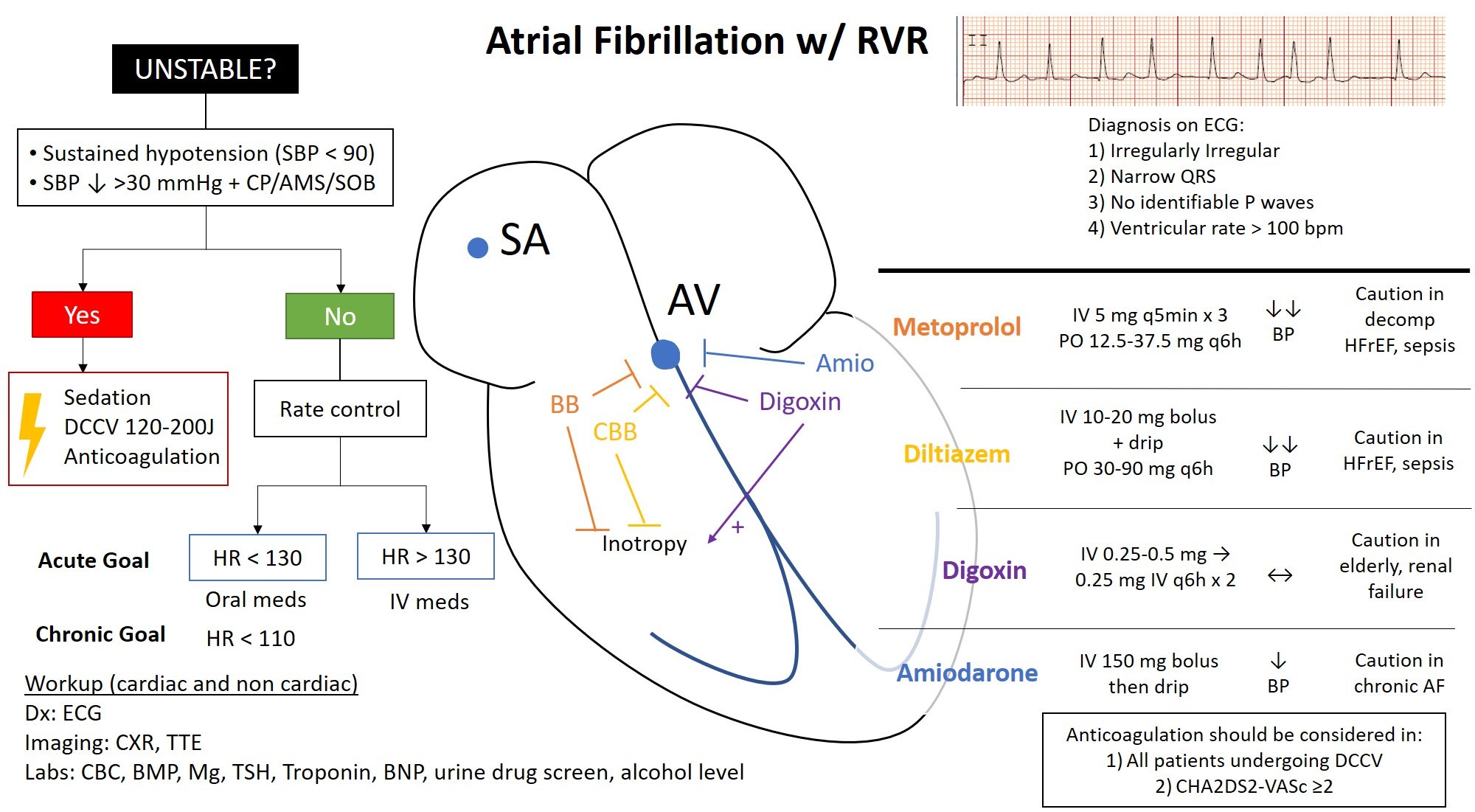
Okay, so you're diving into the world of atrial fibrillation with RVR (Rapid Ventricular Response) and trying to wrap your head around the nursing diagnoses? Don't sweat it! Let's break it down like we're chatting over a virtual cup of coffee (or your beverage of choice – I won't judge if it's wine at 3 PM!).
First things first, A-fib with RVR basically means the upper chambers of the heart (the atria) are quivering like a bowl of jelly instead of contracting properly, and the lower chambers (the ventricles) are working overtime to keep up. It's like your heart is trying to do the cha-cha at a speed metal concert. Not ideal.
Common Nursing Diagnoses: What's the Big Deal?
Now, why are nursing diagnoses important? Well, they're not just fancy medical jargon. They're the foundation of a patient's care plan. They help nurses identify problems, plan interventions, and evaluate outcomes. Think of them as the roadmap for getting your patient back on the road to recovery (or at least a smoother heart rhythm!).
Must Read
Here are some of the most common nursing diagnoses you might encounter with A-fib RVR, explained in plain English (with a dash of humor, because why not?):
Decreased Cardiac Output: This is a biggie. Because the heart isn't pumping efficiently, it might not be delivering enough oxygen and nutrients to the body. Imagine trying to run a marathon with a flat tire – not gonna happen, right? Symptoms might include fatigue, shortness of breath, dizziness, and feeling generally crummy. The nurse’s goal is to improve the heart's pumping ability and get that blood flowing!
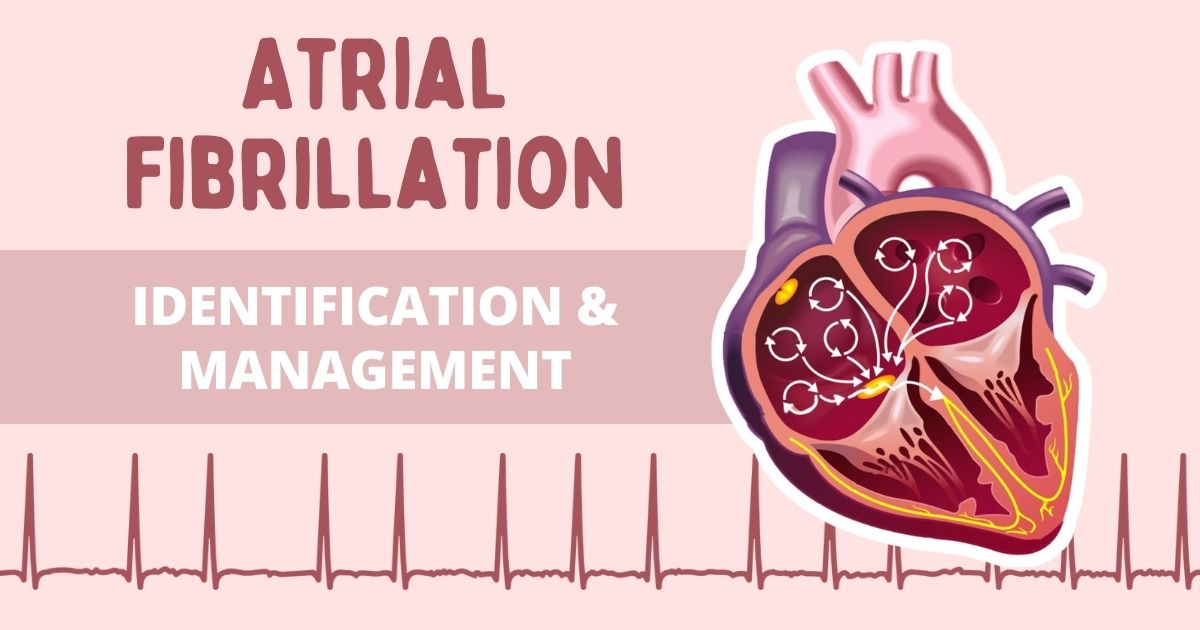
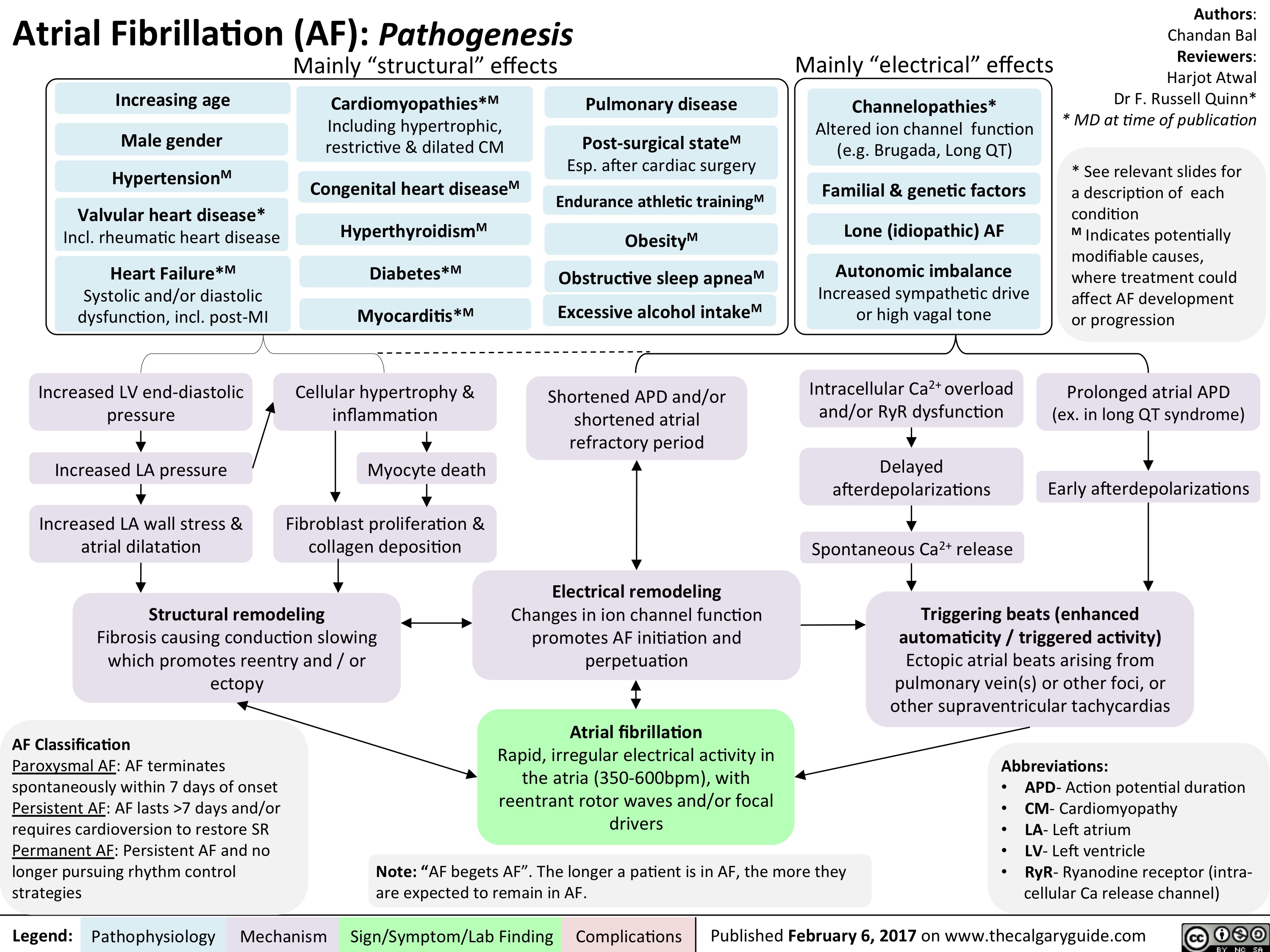
Risk for Thromboembolism: A-fib increases the risk of blood clots forming in the heart. These clots can then travel to the brain (stroke!), lungs (pulmonary embolism!), or other parts of the body. It’s like a tiny, rogue suitcase going on an unauthorized trip! The nurse will be focused on preventing clot formation, usually through medication and monitoring.
Ineffective Tissue Perfusion: This means that some body tissues aren't getting enough oxygen. Think cold extremities, weak pulses, and generally unhappy cells. It's like trying to water your plants with a leaky hose. Interventions focus on improving blood flow to the affected areas.
Activity Intolerance: Feeling wiped out after doing simple tasks? That's activity intolerance. A-fib RVR can leave people feeling exhausted. It’s the body's way of saying, "Whoa there, slow down, buddy!" The nurse will work with the patient to gradually increase activity levels.
Anxiety: Let's be real, having your heart go haywire can be scary. It's normal to feel anxious, worried, or even panicked. The nurse plays a crucial role in providing emotional support and education to help patients manage their anxiety. (And maybe offer a stress ball shaped like a heart – that’s extra credit!)
Deficient Knowledge: A-fib with RVR can be a complex condition. Patients may not fully understand their diagnosis, treatment plan, or the importance of medication adherence. The nurse’s job is to educate the patient about their condition and empower them to take control of their health. Think of the nurse as a health education superhero!
Putting It All Together
Remember, these are just examples. Each patient is unique, and their nursing diagnoses will be tailored to their individual needs. The nurse will carefully assess the patient, consider their symptoms, and collaborate with the healthcare team to develop a personalized care plan. It's all about teamwork!
Important Note: This isn't a substitute for professional medical advice. Always consult with a healthcare provider for diagnosis and treatment. We’re just having a friendly chat here!
So, there you have it! Nursing diagnoses for A-fib RVR, demystified. It might seem like a lot to take in, but with a little understanding and a lot of compassion, you can make a real difference in the lives of patients dealing with this condition. And remember, even in the face of a racing heart, there's always room for a little bit of laughter (and maybe a well-placed pun!). You've got this!