Nuclear Power Plant Locations In The Usa
Ever stop to think about where your electricity actually comes from? We flip a switch, the lights come on, our phones charge, and the fridge keeps humming along. It’s magic, right? Well, not exactly. Behind that everyday convenience is a massive, fascinating network of power generation, and among its most powerful players are nuclear power plants. And guess what? They’re probably a lot closer to you than you think!
What's All the Buzz About Power?
Imagine a super-efficient, super-clean, always-on energy factory. That's essentially what a nuclear power plant is. Instead of burning fossil fuels like coal or natural gas, they use something called nuclear fission. Don't let the fancy word scare you! Think of it like a very controlled, very tiny popcorn party. Inside the reactor, uranium atoms are split, releasing a huge burst of heat. This heat boils water, which creates steam, and that steam spins giant turbines to make electricity. Voila! It's like a giant, high-tech kettle making endless cups of power.
Now, you might be thinking, "That sounds neat, but why should I care where these giant kettles are located?" Great question! And the answer is actually pretty fun and important.
Must Read
Why Should I Care Where They Are?
First off, nuclear power plants are like the quiet, dependable giants of our energy world. They don't rely on the sun shining or the wind blowing, so they provide a constant, reliable flow of electricity, 24/7, 365 days a year. Think of them as the reliable friend who's always there, no matter what. Knowing where these powerhouses are helps us understand the backbone of our energy grid, especially when other sources might be a bit fickle.
Secondly, and this is a big one: nuclear power plants produce zero carbon emissions during operation. That means no smog, no greenhouse gases making our planet feel a bit too toasty. They’re a huge part of America's clean energy portfolio, helping us keep our air cleaner and fight climate change. When you consider where they are, you're looking at regions contributing significantly to a greener future. It's like having a superhero in your neighborhood, quietly doing good deeds!
Finally, these plants are often major employers in their local communities, providing good jobs and contributing to local economies. They also require a lot of safety and infrastructure, which means highly trained professionals and robust security systems. So, knowing their locations isn't just about geography; it's about understanding community impact and national infrastructure.
So, Where Are These Powerhouses Hiding?
You won't find nuclear power plants popping up in the middle of Times Square, for pretty obvious reasons. They need space, security, and a very important resource: water. Lots and lots of water. This water is used for cooling the plant's systems, so you'll find most nuclear power plants cozying up next to large bodies of water. Think mighty rivers, vast lakes, or along the coastlines.

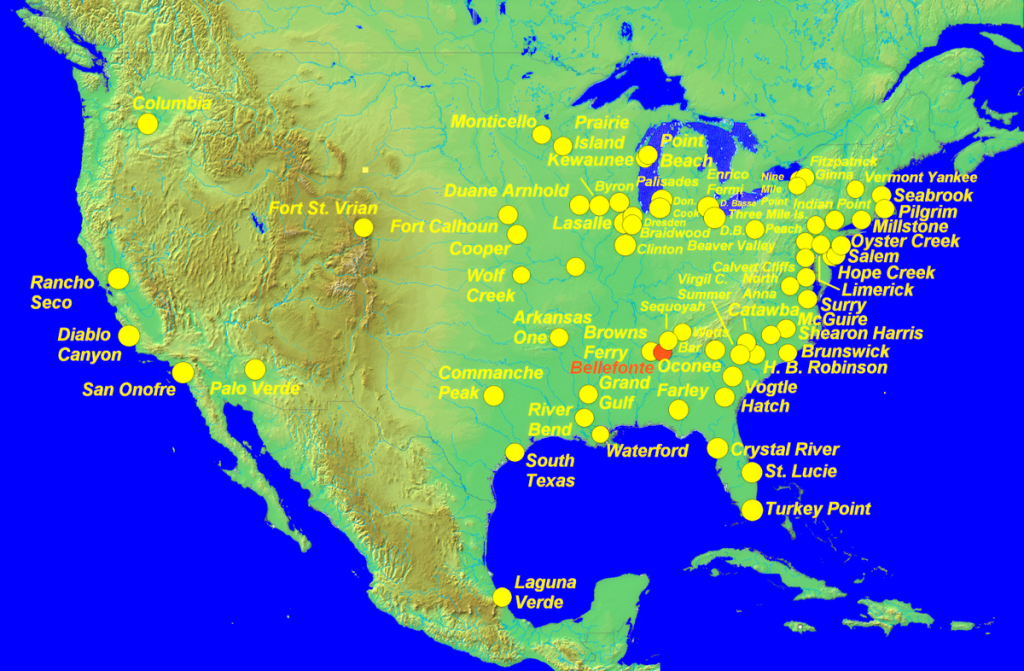
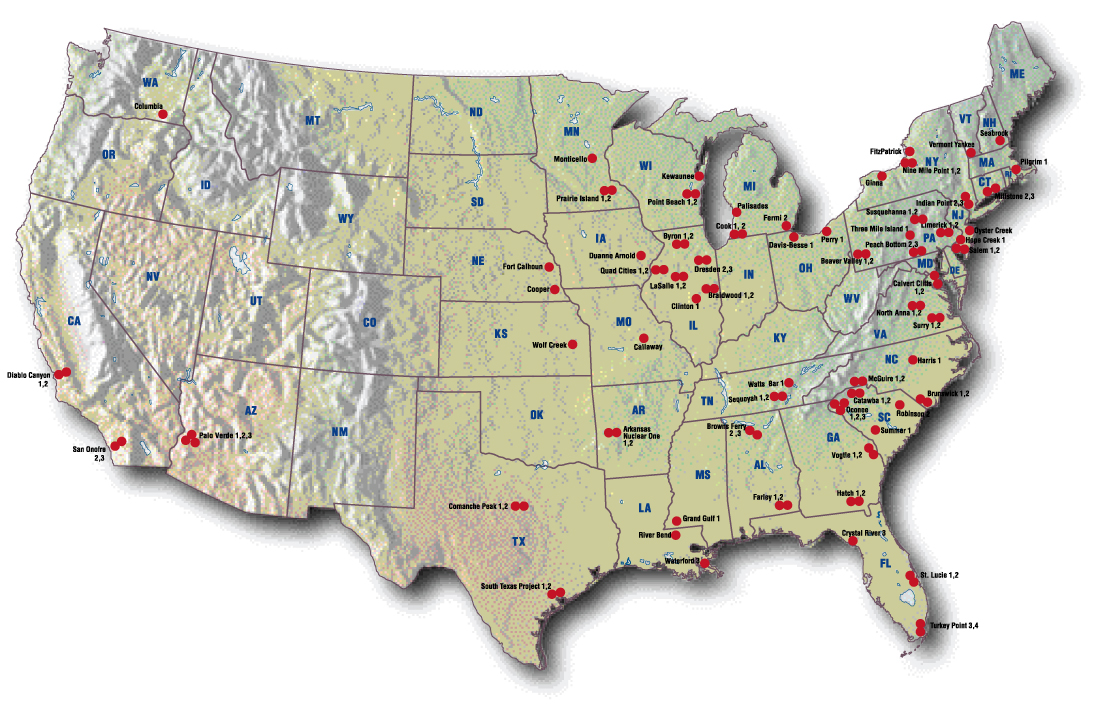
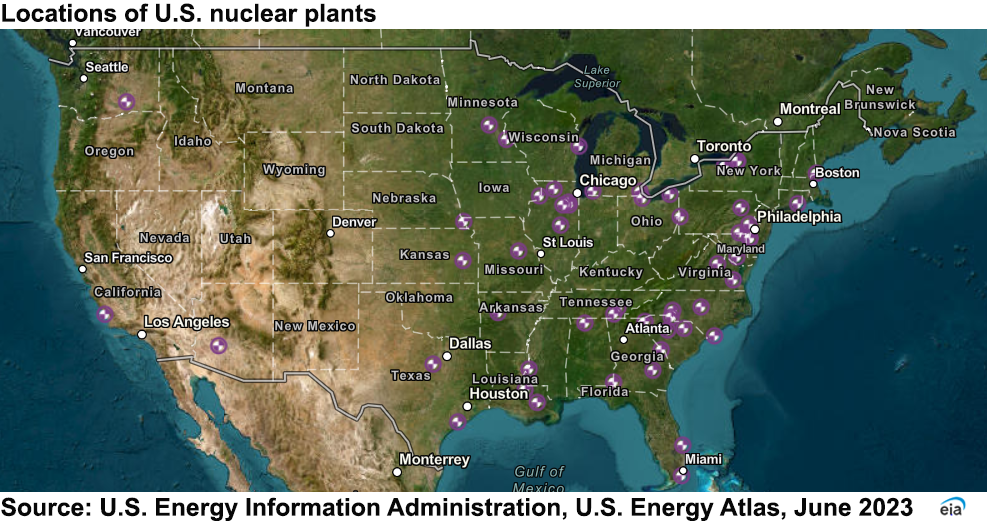
In the U.S., nuclear power plants are predominantly found in the eastern half of the country. If you're drawing a line down the middle, say from North Dakota to Texas, you'll find the vast majority of our operational plants to the east of that line. States like Pennsylvania, Illinois, South Carolina, and North Carolina are particularly well-represented.
Picture this: You’re driving through rural areas in the Southeast or the Midwest, and suddenly you see these giant, often white, cooling towers looming on the horizon. They can look a bit like giant mushroom caps or even futuristic temples against the sky. Those are often the tell-tale signs of a nuclear power plant nearby! They're usually in more rural, less populated areas, providing a necessary buffer zone and plenty of space for their sprawling facilities.
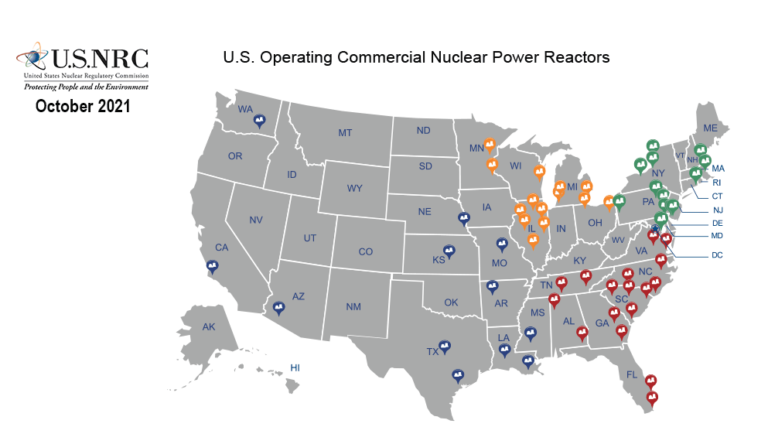
There are roughly 90-something operational nuclear reactors across 28 states. While that might sound like a lot, remember the U.S. is huge! It means that while they're not everywhere, they're definitely a significant and spread-out part of our national energy infrastructure. It’s like finding your favorite local bakery – they might not be on every street corner, but they’re strategically placed to serve many communities.
Safe and Sound, Right?
Absolutely! Modern nuclear power plants are built with multiple layers of safety features and undergo rigorous oversight. Think of them as the Fort Knox of power generation. The industry constantly learns and evolves, making them incredibly robust and secure. The waste produced is also very small in volume and carefully managed, often stored securely on-site. It's not a secret pile of glowing green goo from the cartoons, but rather a solid material stored in robust containers!
The Big Picture
So, the next time you plug in your phone or enjoy a brightly lit room, take a moment to appreciate the incredible journey that electricity has made. From the silent, steady hum of a nuclear power plant nestled by a river in Pennsylvania or a lake in Illinois, to the wires that crisscross our landscapes, bringing power right to your fingertips. Knowing where these vital facilities are located isn't just a fun fact; it's a way to connect with the infrastructure that powers our daily lives, keeps our air cleaner, and ensures our future energy needs are met. Pretty cool, huh?