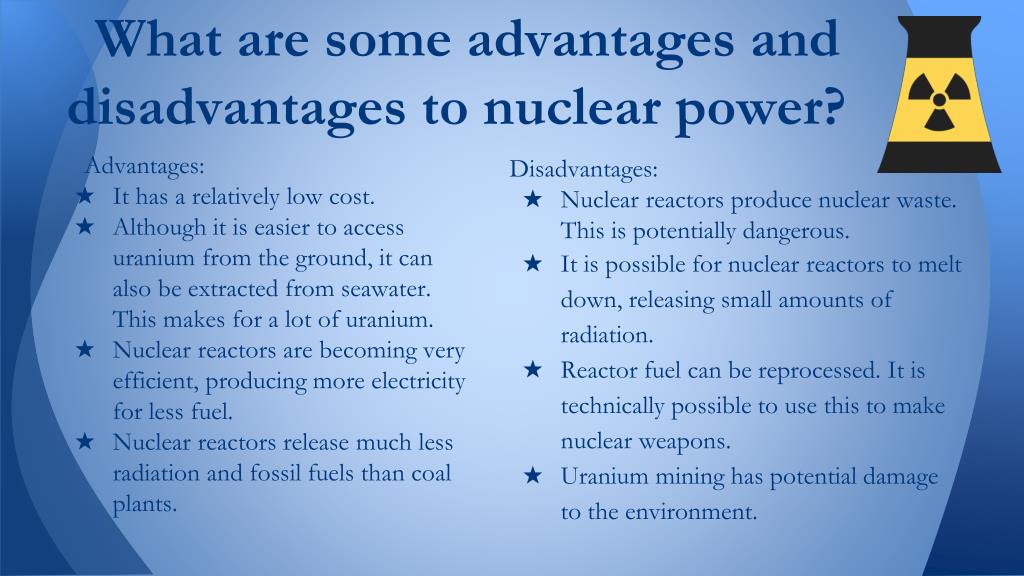
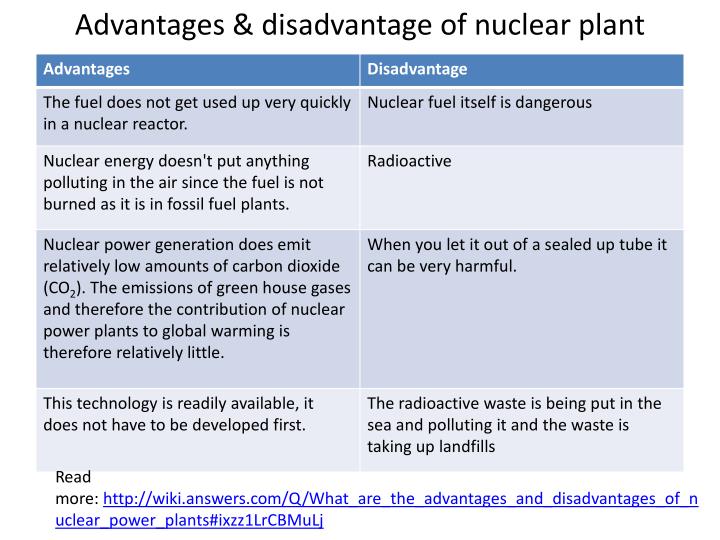
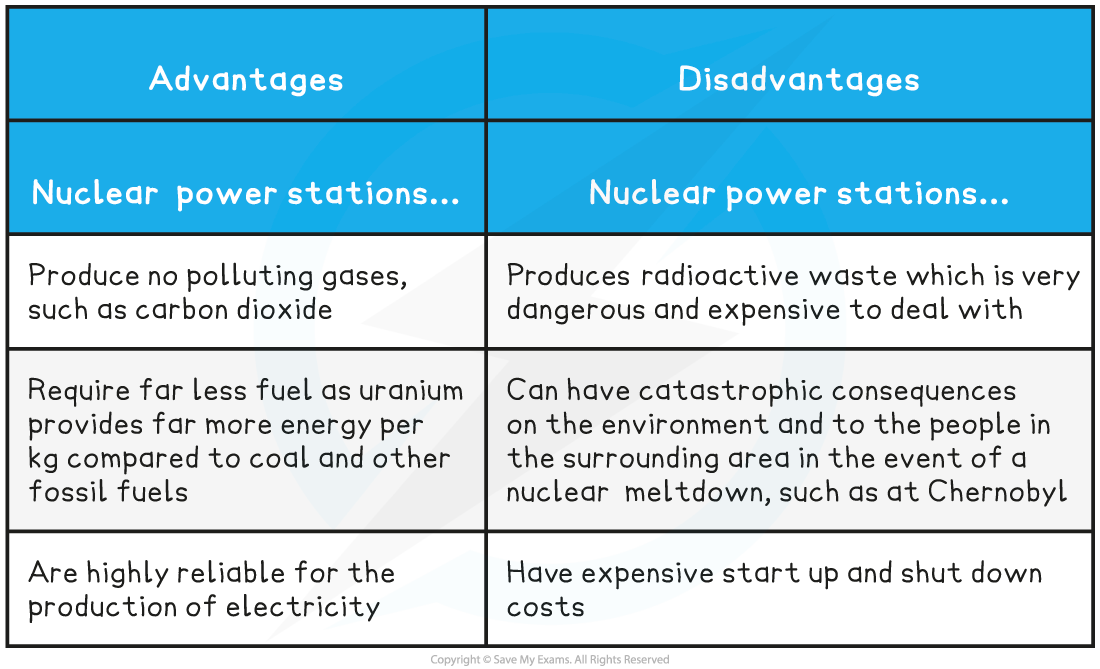
Nuclear Power Plant Advantages And Disadvantages
Let's face it, when you hear "nuclear power," images of glowing green goo or mushroom clouds probably spring to mind. It's a concept often relegated to science fiction, disaster movies, and serious political debates. But what if we told you there's a way to harness the intriguing power of nuclear energy in a way that's not only safe but surprisingly inspiring and creatively fulfilling? No, we're not suggesting you build a miniature reactor in your garage! We're talking about the art of nuclear-inspired art!
You might be thinking, "Nuclear art? What's that?" Well, it's any artwork that draws inspiration from the aesthetics, symbolism, or concepts associated with nuclear power, whether it's the raw energy, the futuristic possibilities, or even the potential dangers. For artists, hobbyists, and even casual learners, exploring this theme can unlock a fascinating new dimension of creativity. It offers a unique opportunity to engage with complex ideas, play with contrasting themes of creation and destruction, and express your personal perspective on one of the most powerful forces known to humankind.
The beauty of nuclear-inspired art lies in its versatility. Imagine bold abstract paintings that capture the chaotic energy of a nuclear reaction. Think swirling colors, fractured shapes, and a sense of overwhelming power bursting from the canvas. Or perhaps you're drawn to the clean lines and futuristic designs associated with nuclear power plants. You could create sleek, minimalist sculptures, architectural models, or even digital art that celebrates the technological marvel of harnessing atomic energy. Consider photography projects that explore the visual impact of cooling towers against the landscape, or even close-up studies of the intricate machinery involved.
Must Read
Another popular theme is the use of symbolism. Artists often incorporate images of atoms, radiation symbols, or even mutated flora and fauna to comment on the potential consequences of nuclear technology. These pieces can be provocative, thought-provoking, and deeply personal, allowing you to explore your own feelings about this complex issue. Look at the works of contemporary artists like James Acord, who, before his passing, worked with depleted uranium to create sculptures intended to be safe and inspiring. He demonstrated a strong commitment to public education regarding nuclear energy.

Want to try your hand at nuclear-inspired art at home? Start small! You don't need a lab coat or a degree in nuclear physics. Here are a few tips:
- Gather Inspiration: Browse images of nuclear reactors, research the science behind nuclear fission, and explore the historical context of the atomic age.
- Experiment with Colors: Think about the colors associated with radiation: greens, yellows, and oranges. But don't limit yourself! Explore contrasting colors to create dynamic and visually interesting pieces.
- Play with Texture: Use different materials and techniques to create a sense of depth and complexity. Experiment with layering, dripping, and even incorporating found objects.
- Don't Be Afraid to be Bold: Nuclear energy is a powerful force, so let your art reflect that! Embrace experimentation and don't be afraid to push the boundaries of your creativity.
Ultimately, creating nuclear-inspired art is enjoyable because it allows you to engage with a significant topic in a creative and meaningful way. It's a chance to explore complex ideas, express your personal perspective, and create something truly unique. So, why not tap into the power of the atom and let your imagination run wild? You might be surprised at what you discover!