
Nuclear Plant Locations In The United States
When you hear "nuclear plant," what pops into your mind? Maybe towering cooling structures, or perhaps images from a science fiction movie. But here's a fun secret: these fascinating giants are often nestled right into the fabric of American life, in places you might not expect. They're not always tucked away in some desolate, distant land.
In fact, many nuclear power plants across the United States are surprisingly good neighbors, contributing to local economies and even becoming part of the landscape in unexpected ways. Forget the sterile images; let’s dive into where these powerhouses actually call home.
Surprisingly Close to Home
Imagine driving down a scenic highway, passing by quaint towns and sprawling farmlands. Then, suddenly, there they are: the iconic, often cloud-puffing cooling towers of a nuclear plant. It’s a bit like spotting a unicorn in your backyard – surprising, yet undeniably real.
Must Read
These aren't just industrial sites; they often share a zip code with regular folks. Think of plants like Oconee Nuclear Station in South Carolina, which sits right on the beautiful Lake Keowee. This isn't just a cooling pond; it's a popular spot for boating, fishing, and lakeside living.
Another example is Waterford Steam Electric Station in Louisiana. It’s not far from New Orleans, providing power to a vibrant metropolitan area while being a significant landmark for residents in its more rural setting. It's a blend of high-tech power generation and bayou charm.
Many plants become familiar sights. Locals might point them out to visitors, saying, "Oh, that's where a lot of our power comes from!" It's a part of their daily drive, a backdrop to their small-town parades, and an engine for their local economy.
Water, Water Everywhere!
There’s a common thread woven through almost all nuclear plant locations: water. Lots of it! This isn't just for cooling those big reactors; it's also about a natural resource that shapes the landscape and the lifestyle around these facilities.
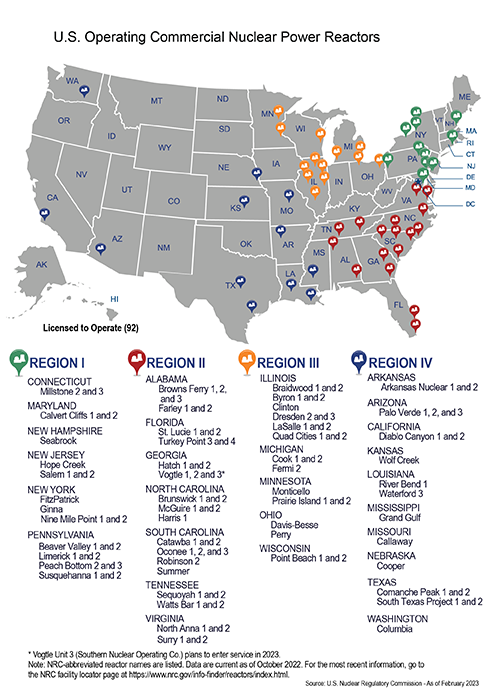
Most plants are built near large rivers, lakes, or coastal areas. Think of the mighty Mississippi River, which hosts several plants like Arkansas Nuclear One. These aren't just convenient for the plants; they also often create unique ecosystems.
The warmer water discharged from the plants can attract fascinating wildlife. Anglers flock to these areas for some fantastic warm-water fishing, especially in cooler months. It's a secret spot for many a local fisherman, who might have a favorite story about "the big one that got away" right near the plant.
These bodies of water often become recreational hubs. Imagine kayaking on a peaceful lake, with the gentle hum of a power plant in the distance, knowing it’s quietly powering your world. It's a surprising harmony between nature and technology.
The Community Heartbeat
Beyond their physical location, nuclear plants often become integral to the communities they inhabit. They're not just power providers; they're major employers, good neighbors, and sometimes even local heroes.
Many small towns might rely heavily on the plant for jobs, from engineers and technicians to security and support staff. It’s a steady stream of good-paying jobs that keeps local businesses thriving, from the diner down the street to the local hardware store.
These plants also often invest in their local communities, sponsoring school events, supporting charities, and contributing to infrastructure. They often have visitor centers, where you can learn about how nuclear power works in a fun, accessible way.
Consider the Palo Verde Generating Station in Arizona. It's unique because it's located in the desert and uses treated wastewater for cooling – a clever and sustainable solution! This plant is a massive employer and a significant contributor to the local economy in an otherwise arid region.
It's heartwarming to see how these seemingly intimidating structures become part of a town's identity. Locals develop a sense of pride in their plant, recognizing its quiet, continuous contribution to their lives and the nation's energy grid.

Unexpected Beauty and Serenity
While the image of a power plant might not immediately conjure thoughts of natural beauty, many nuclear facilities are surrounded by unexpectedly serene landscapes. Because of the large tracts of land required for safety and operations, these areas often become inadvertent wildlife sanctuaries.
Birds nest in the trees, deer graze peacefully, and various other critters find a safe haven within the plant's perimeter. It's a delightful paradox: a high-tech energy facility coexisting with flourishing natural habitats.
The sheer scale of these plants can also be awe-inspiring. The cooling towers, often mistaken for smoke stacks, actually emit harmless water vapor. On a foggy morning, they can look quite majestic, reaching into the clouds like modern monuments.
Imagine picnicking at a nearby park, watching the "clouds" puff gently from a tower, a silent testament to the energy being generated. It's a reminder that even industrial sites can possess a unique, almost poetic, beauty.
Across the Map: A Quiet Presence
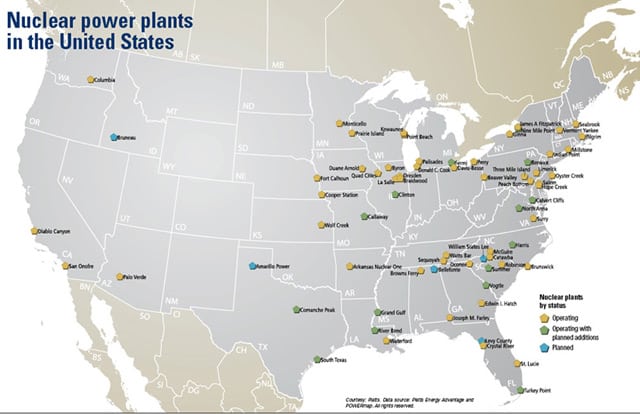
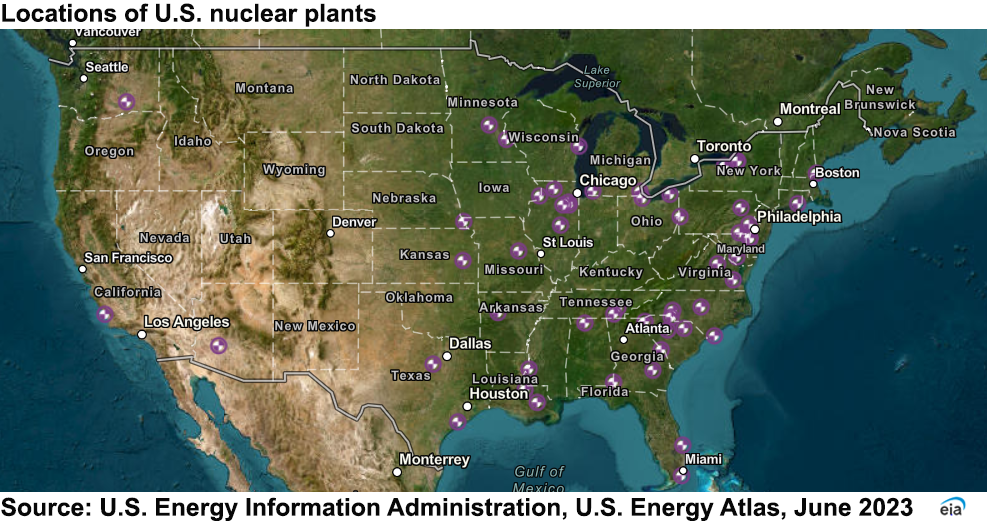
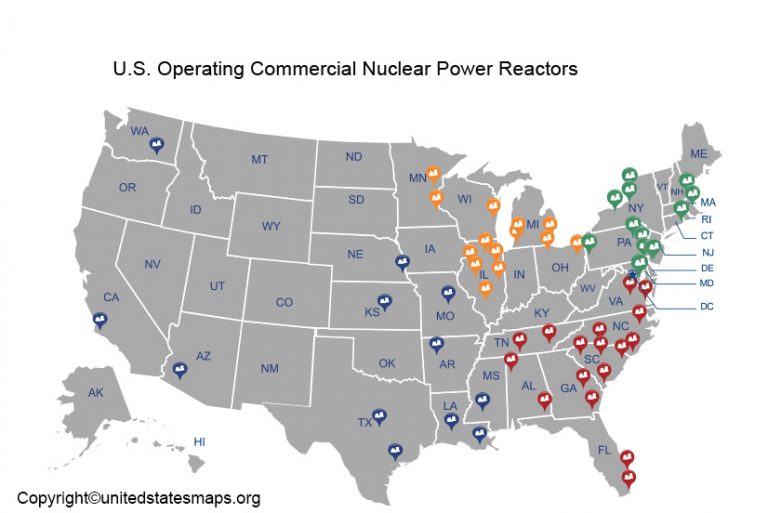
From the sunny coasts of California, like Diablo Canyon Power Plant nestled along the Pacific Ocean, to the lush landscapes of Pennsylvania, where Limerick Generating Station hums along the Schuylkill River, nuclear plants dot the American map. They are a diverse group in diverse settings.
There are clusters in the Southeast and Midwest, regions with significant energy demands. Each plant has its own unique story, deeply intertwined with the local history and geography.
They are a quiet, powerful presence, often unnoticed until we flip a switch and the lights come on. They are a constant, reliable source of electricity, day in and day out, powering our homes, schools, and businesses.
So, the next time you think about nuclear power, remember these places. Remember the lakes, the towns, the jobs, and the unexpected wildlife. These plants aren't just concrete and steel; they're woven into the American tapestry, creating unique stories and contributing to our daily lives in truly surprising ways.
It's a wonderful world where powerful technology and everyday charm can truly coexist.