
Nighthawk Carbon Monoxide Alarm Beeping
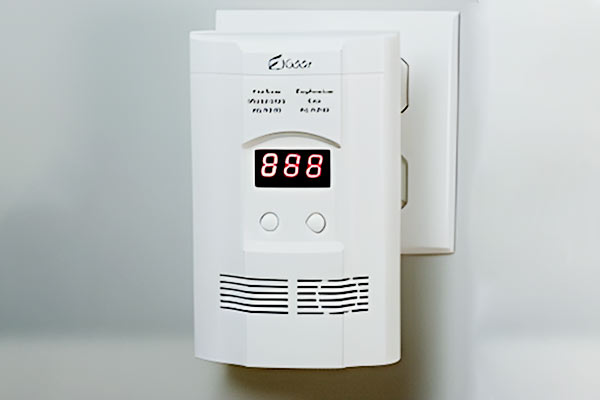
Ah, that familiar chirp. You know the one. It’s usually 3 AM, you’re in a blissful sleep, and then a tiny, insistent BEEP! pierces the quiet. If you have a Nighthawk Carbon Monoxide (CO) alarm, you’ve probably experienced this particular brand of middle-of-the-night serenade. While it can feel like a rude awakening, that little guardian is actually doing its job – trying to tell you something important. So, let’s decode those beeps and keep our sanctuaries safe and sound, shall we?
The Subtle Art of Beep Interpretation
Not all beeps are created equal. Just like a cryptic text message from a friend, understanding the context is key. Your Nighthawk CO alarm has a few different messages it might be trying to send. Knowing the difference can save you a headache, or more importantly, keep you safe.
The "Hangry" Alarm: Low Battery Alert
This is probably the most common culprit behind those sporadic chirps. If your Nighthawk alarm is letting out a single beep every 30 to 60 seconds, it’s basically saying, “Hey! I’m running low on juice here!” Think of it as a smoke detector’s equally annoying cousin. It's not alarming you about CO, but it is alarming you about its own diminishing powers.
Must Read
The Fix: Change the batteries! This might sound obvious, but how many of us procrastinate this simple task? Grab those fresh AA or 9V batteries (check your specific model, of course!) and give your Nighthawk a new lease on life. Pro-tip: Keep a pack of the correct batteries stored with your emergency supplies. That way, you're not fumbling in the dark at an ungodly hour.
Fun Fact: It often feels like alarms conspire to run out of battery precisely when you’re at your most vulnerable – usually mid-REM cycle. It’s a universal truth, like missing socks in the laundry.

The "Time to Retire" Beep: End-of-Life Warning
Did you know your CO alarm doesn't last forever? Like many unsung heroes, they have a lifespan. Most CO alarms, including Nighthawk models, are designed to work effectively for about 5 to 10 years. The sensors inside them degrade over time, making them less reliable.
When your Nighthawk is nearing its retirement, it will often beep in a different pattern. This could be five beeps every minute, or sometimes the digital display will show "END" or "Err." This isn’t a low battery issue; it’s a hardware issue. It’s telling you, "My watch is ended, friend. Time for a replacement."
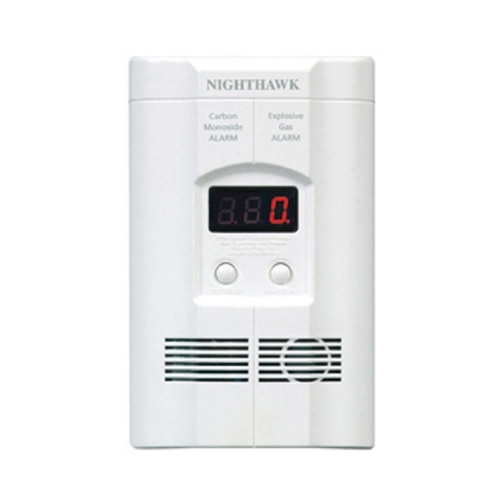
The Fix: Replace the entire unit. Don't just try to swap batteries or hit the test button. Look for a manufacturing date on the back of the alarm. If it's passed its prime, it's time for a shiny new guardian. Investing in a new one is a small price to pay for genuine peace of mind and protection.
The "Get Out Now!" Beep: Actual CO Detection
This is the big one, and the most critical to understand. If your Nighthawk alarm is emitting a loud, rapid, and continuous pattern of four short beeps, followed by a pause, and then repeating, it’s not crying wolf. It’s signaling the presence of carbon monoxide.
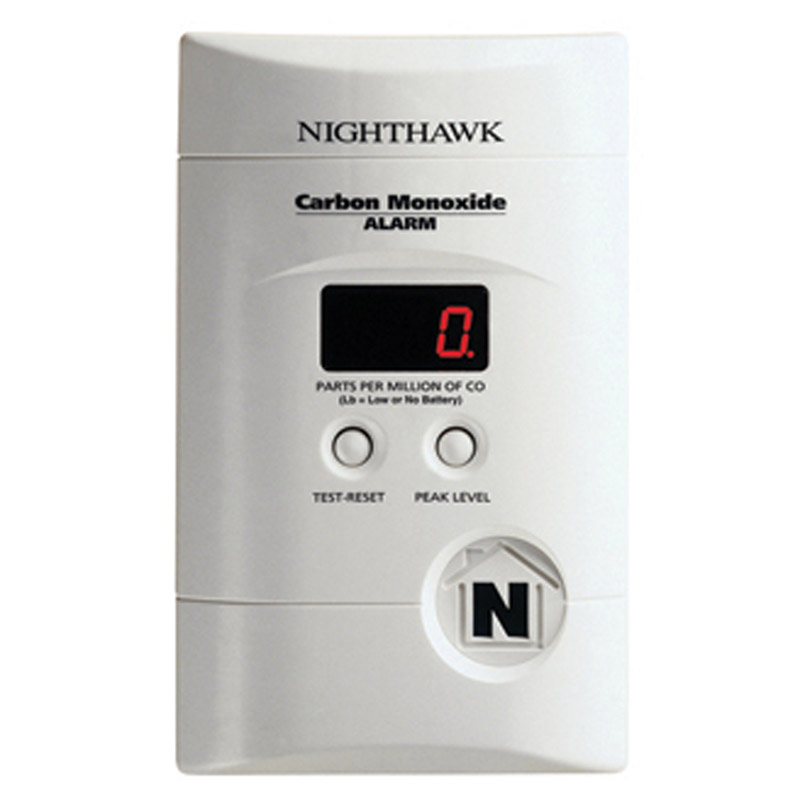
What is CO? It's often called the "silent killer" for a reason. Carbon monoxide is a colorless, odorless, and tasteless gas produced by the incomplete burning of carbon-containing fuels (think furnaces, gas stoves, fireplaces, cars). It can quickly lead to severe illness or even death without you ever realizing it's there. That’s why your Nighthawk is so important.
Immediate Action Plan (This is not a drill!):
- Stay Calm, Act Fast: Don't panic, but don't delay.
- Ventilate: If it's safe to do so, open windows and doors to air out the space.
- Evacuate: Get everyone, including pets, outside into fresh air IMMEDIATELY. Don't waste time gathering belongings.
- Call for Help: Once you are safely outside, call 911 or your local emergency services/fire department.
- Do NOT Re-enter: Do not go back inside until emergency responders have arrived, assessed the situation, and given you the all-clear.
This isn't like a burnt-toast smoke alarm false alarm. A continuous CO alarm means something is seriously wrong and requires professional attention.
Maintaining Your Vigilant Guardian
A little regular care goes a long way in ensuring your Nighthawk remains your steadfast protector:
- Test Monthly: Press that "test" button once a month to ensure the alarm is functioning.
- Clean Regularly: Dust and debris can interfere with sensor performance. Gently vacuum around the vents or wipe with a soft cloth.
- Proper Placement: CO alarms should be placed on every level of your home, especially near sleeping areas. They should also be away from fuel-burning appliances, but not so far that they miss a potential leak.
So, the next time that little beep starts its symphony, instead of groaning, take a moment to appreciate it. Whether it's signaling a low battery, an expiring unit, or a genuine danger, that Nighthawk alarm is a small but mighty part of keeping your home and your loved ones safe. Being informed and prepared turns those annoying chirps into comforting calls from a vigilant guardian. Here's to safe and peaceful nights!