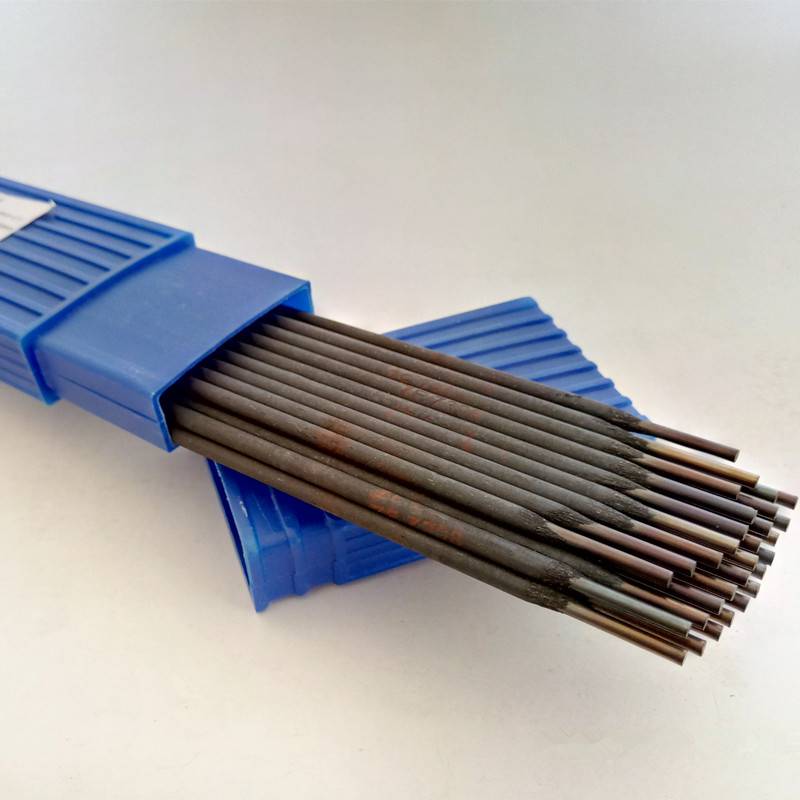
Nickel Welding Rod Cast Iron
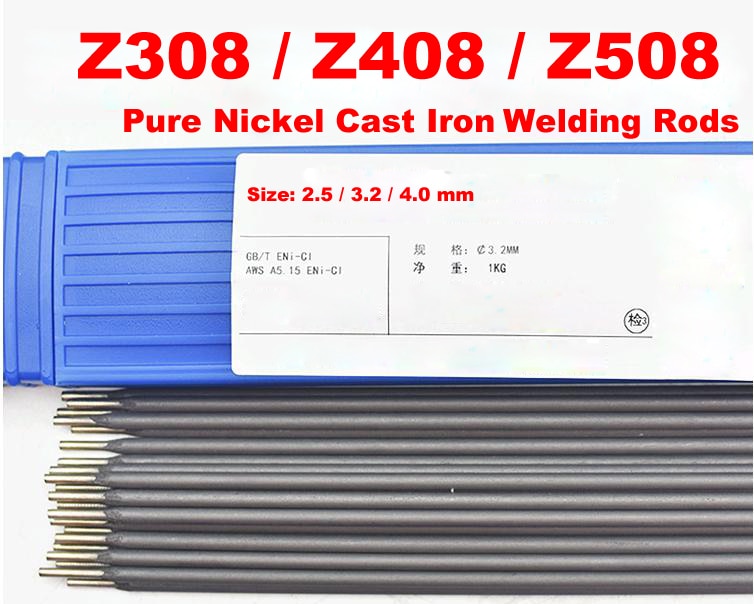
Ever look at a broken cast iron pan, a cracked engine manifold, or a vintage garden bench with a snapped leg and think, "What a shame, it's irreparable"? Well, get ready to have your mind changed! Diving into the world of nickel welding rods for cast iron is surprisingly accessible and incredibly rewarding. It’s not just about fixing something; it’s about bringing old treasures back to life, saving cherished items from the scrap heap, and discovering a bit of DIY magic. There’s a profound satisfaction in mending something that was once considered broken beyond repair, turning a forlorn piece into a functional, beautiful object again.
So, who benefits from this neat trick? Pretty much anyone with a bit of curiosity! For beginners and hobbyists, learning to weld cast iron with nickel rods opens up a whole new realm of repair possibilities. Instead of replacing that expensive part or tossing out a sentimental family heirloom, you can learn a valuable skill that saves money and preserves history. Imagine fixing a wobbly leg on a beautiful antique cast iron sewing machine table, or even patching up a beloved but cracked wood stove. For "families," it means keeping practical items in use longer, reducing waste, and perhaps even tackling a project together. It's about sustainability and the joy of creation, giving old, durable cast iron items a second, third, or even fourth life.
When we talk about fixing cast iron, nickel rods are the heroes. Cast iron is notoriously tricky to weld because it's brittle and has a high carbon content. Regular welding rods often cause new cracks. That's where nickel comes in! It's super forgiving and creates a strong, yet machinable, weld that handles cast iron's unique characteristics. You'll primarily find two types: 100% nickel rods (often called Ni-Rod 99), which are softer and more ductile, great for repairs where you need to grind or machine the weld smooth. Then there are nickel-iron rods (Ni-Rod 55), which offer a stronger, higher-tensile-strength weld, perfect for structural repairs. Think fixing anything from a cracked engine block (for non-critical parts) to antique farm equipment, rusty fireplace grates, or even those beautiful, heavy vintage cookware pieces.
Must Read
Ready to try your hand? Here are some simple, practical tips to get you started. First and foremost: safety first! Always wear appropriate welding gear – a good helmet, gloves, and protective clothing are non-negotiable. Next, cleanliness is key. Grind or brush away all rust, grease, paint, and dirt from the area you want to weld. Cast iron needs careful preparation; often, you’ll want to grind a "V-groove" along the crack to allow for better penetration. For longer cracks, drilling small "stop holes" at each end can prevent the crack from spreading further while you weld. Many cast iron projects also benefit from a gentle preheat (using a torch or even putting the piece in an oven if safe) to reduce thermal shock. Weld in short, "stitch" beads (think 1-2 inches at a time), peening (lightly hammering) each weld while it's still warm to relieve stress, and then allowing the entire piece to cool very, very slowly, perhaps under a fire blanket or in sand, to prevent new cracks.
Diving into nickel welding cast iron might seem intimidating at first, but with a little patience and the right approach, it’s an incredibly gratifying skill. The ability to restore a broken, often beloved, item isn't just practical; it's a testament to ingenuity and a wonderful way to connect with the history and utility of objects around us. You're not just fixing metal; you're preserving stories and creating something new out of the old. It’s truly a rewarding experience that extends the life of cherished possessions and brings a touch of satisfaction to your DIY endeavors.