
Negative Attitude Of Employees Towards Supervision

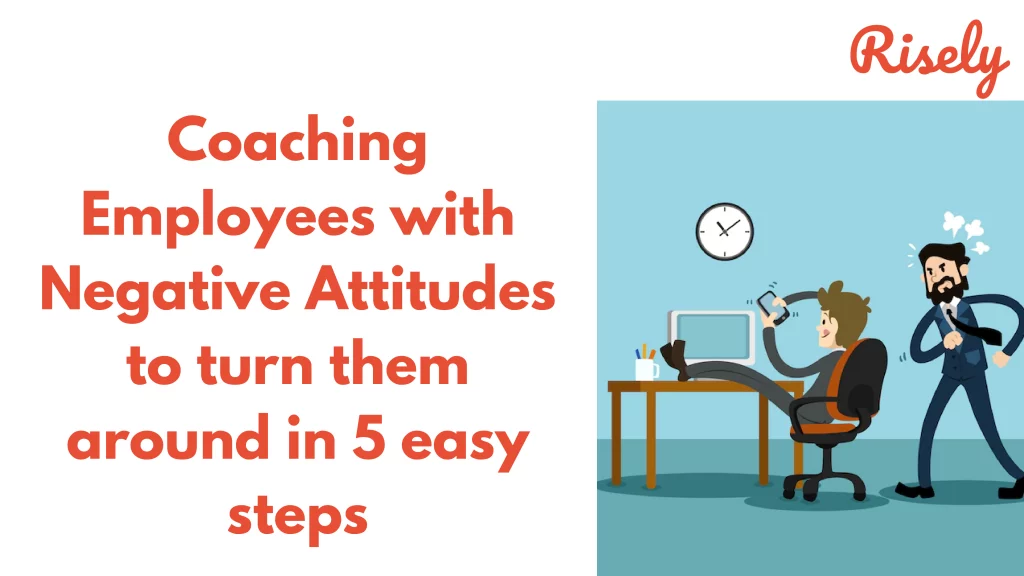
Okay, let’s be real. We’ve all been there. That feeling when you see your supervisor’s name pop up on your inbox or hear their footsteps approaching your desk. Sometimes, it's just...ugh. A negative attitude towards supervision is surprisingly common, but understanding why it happens is the first step to turning the tide.
So, what's the deal? Why do some of us recoil at the thought of oversight? It’s rarely as simple as just disliking your boss (though, let's be honest, that can be a factor!). More often, it’s a complex mix of things.
The Usual Suspects: Decoding the Discontent
Think of it like a workplace episode of 'CSI,' but instead of solving crimes, we’re investigating the root causes of negative vibes. Here are a few prime suspects:
Must Read
Micromanagement Madness: Nobody likes feeling like they’re constantly being watched. It’s like having someone stand over your shoulder while you're trying to parallel park – stressful and usually counterproductive. Excessive oversight stifles creativity and breeds resentment. Ever heard the saying, "If you want something done right, do it yourself?" Well, the micromanaging boss takes that way too literally.
Lack of Trust: Trust is the foundation of any good relationship, including the one between employee and supervisor. If you feel like your abilities are constantly being questioned, it’s natural to develop a negative attitude. Imagine trying to build a Lego masterpiece when someone keeps snatching the bricks away, convinced you’ll mess it up. Frustrating, right?
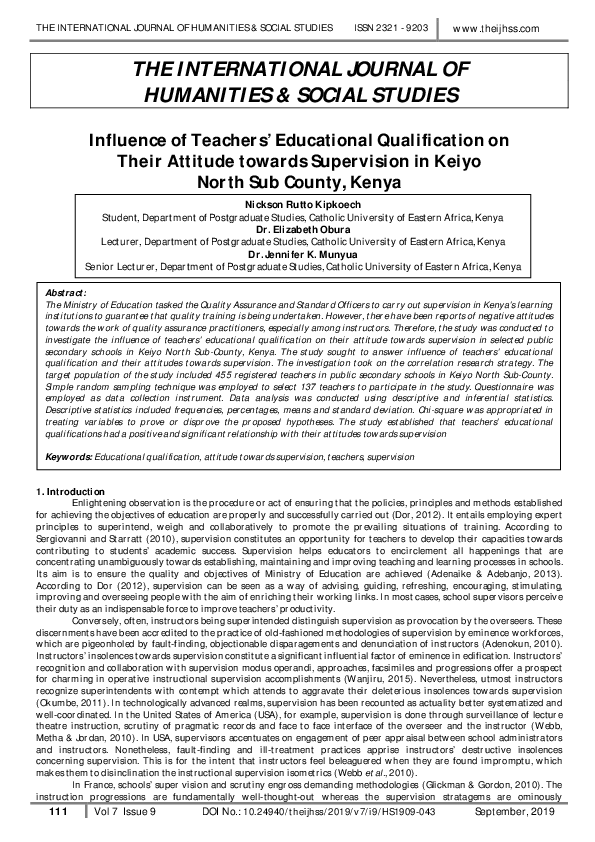
Communication Breakdown: Misunderstandings, unclear expectations, and a general lack of open communication can lead to serious frustration. It's like trying to navigate using an outdated map; you might eventually get there, but it'll be a bumpy ride with a lot of unnecessary detours.
Perceived Unfairness: Favoritism, inconsistent application of rules, or a feeling that some employees are held to a different standard – these are all classic ingredients for workplace discontent. Fairness is a core human value, and when it’s perceived to be absent, negativity thrives.
Level Up: Turning Negative to Neutral (and Maybe Even Positive!)
Okay, so you’ve identified the problem. Now what? Here are some practical tips to improve your relationship with your supervisor and ditch the negative attitude:
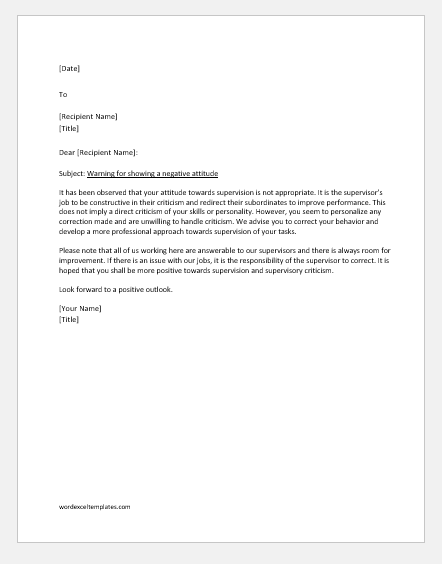
Communicate, Communicate, Communicate: Don't let issues fester. Schedule a one-on-one meeting to discuss your concerns openly and honestly. Use "I" statements to avoid sounding accusatory (e.g., "I feel like my work isn't being recognized," instead of "You never appreciate what I do!").
Seek Clarification: If you’re unsure about expectations, ask for clarification. It’s better to ask questions upfront than to make assumptions that could lead to misunderstandings. Think of it as asking for directions before you get hopelessly lost on a road trip.

Document Everything: Keep a record of your accomplishments and contributions. This can be especially helpful if you feel your work isn't being adequately recognized. It's like building your own personal highlight reel to showcase your skills.
Focus on Solutions: Instead of just complaining about problems, try to come up with potential solutions. This demonstrates initiative and a proactive attitude.
Manage Your Expectations: Realize that no supervisor is perfect. Everyone has flaws and limitations. Focus on what you can control – your own attitude and actions.
Find Common Ground: Look for opportunities to connect with your supervisor on a personal level. Even a simple conversation about a shared hobby can help build rapport and improve the overall dynamic.
The Big Picture: A Little Reflection
Ultimately, our attitude towards supervision often reflects our broader approach to challenges in life. Are we open to feedback and growth? Or do we tend to resist authority and become defensive? Cultivating a positive mindset, even in the face of perceived negativity, can be incredibly empowering. It's about choosing to see supervision not as a burden, but as an opportunity for growth and development. And remember, even a little bit of self-awareness can go a long way in creating a more positive and productive work environment for everyone.
So, the next time you feel that familiar "ugh" bubbling up, take a deep breath, remember these tips, and try to approach the situation with a fresh perspective. You might be surprised at the difference it makes.