
Nec Code For Smoke Detector Locations
Okay, let's talk smoke detectors! I know, I know. The words "Nec Code" and "smoke detector" don't exactly scream "thrilling Friday night," right? But trust me, by the end of this, you'll be looking at those little discs on your ceiling with a whole new appreciation. In fact, you might just find yourself thinking, "Wow, knowing this stuff actually makes life a little bit... cooler."
Because here's the deal: understanding the National Electrical Code (NEC) when it comes to smoke detectors isn't about rigid, boring rules. It's about being a home safety superhero. It's about protecting your loved ones, your memories, and your peace of mind with smart, simple knowledge. And that, my friend, is pretty awesome.
Why Smoke Detectors Are Your Home's Best Friend (Seriously!)
Before we dive into the "where," let's just take a moment to appreciate the "what." Smoke detectors are literally your early warning system. They don't just protect your stuff; they protect you. They give you those precious, critical minutes to get out safely when every second counts. Think about it: that little chirping device could be the difference between a scary story and a devastating one. Pretty powerful stuff, right?
Must Read
So, when we talk about the NEC, we're talking about the wisdom of experts, distilled into guidelines that ensure these lifesavers are placed where they can do the absolute most good. It's not about bureaucracy; it's about best practices for survival.
Decoding the NEC: Your Smoke Detector Playbook
Now, let's get into the good stuff. The NEC, specifically Article 760 (and other relevant sections!), lays out the roadmap for where your smoke detectors should be. And it's not nearly as complicated as it sounds. Think of it as a checklist for maximum safety and minimum worry.
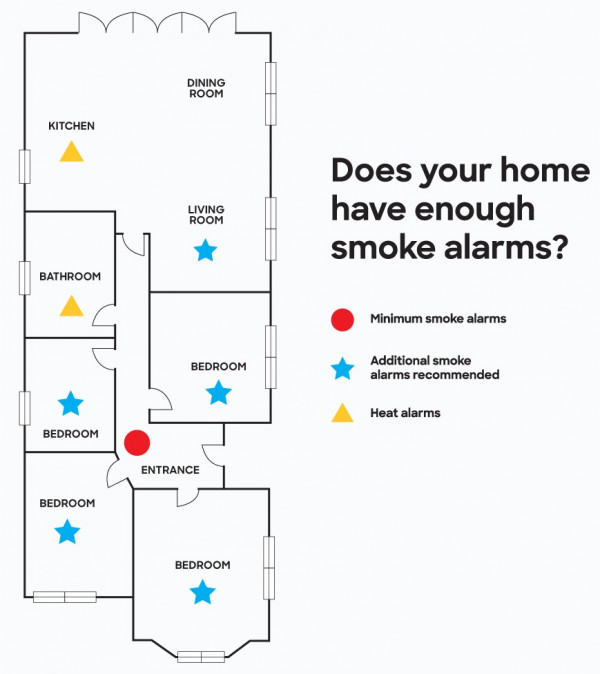
Rule #1: Every Sleeping Room Needs One!
This is non-negotiable. Whether it's the master bedroom, the kids' room, or that guest room you rarely use, every single sleeping room needs its own smoke detector. Why? Because most fires happen at night when you're asleep. You need an immediate alert right where you're vulnerable. Imagine waking up to that distinct chirp in your own room – that’s the NEC working for you!
Rule #2: Outside Every Sleeping Area
Got a hallway that serves multiple bedrooms? You guessed it – a smoke detector goes there too. This covers the common escape path for anyone leaving a sleeping area. It’s about creating a perimeter of protection. So, if fire starts outside a bedroom, the alarm still sounds quickly, giving everyone time to react.
Rule #3: On Every Level of Your Home
This includes basements and attics (if they're habitable or contain utilities, even if unfinished!). Think about it: a fire could start in the basement, and without a detector down there, it could smolder and grow unnoticed until it's too late to escape from upstairs. So, yes, even your "man cave" or laundry room area in the basement needs coverage. Don't skip a floor!

Rule #4: The Magic of Interconnection
This is where it gets really clever! The NEC mandates that all new and substantially renovated homes have interconnected smoke detectors. What does that mean? If one alarm goes off – say, in the basement – they all go off. Immediately! No more running through a smoky house to check which detector is chirping. This synchronized warning is a huge advantage, especially in larger homes, giving everyone the absolute maximum time to evacuate. It's like your smoke detectors are having a coordinated safety party!
Rule #5: Hardwired with Battery Backup
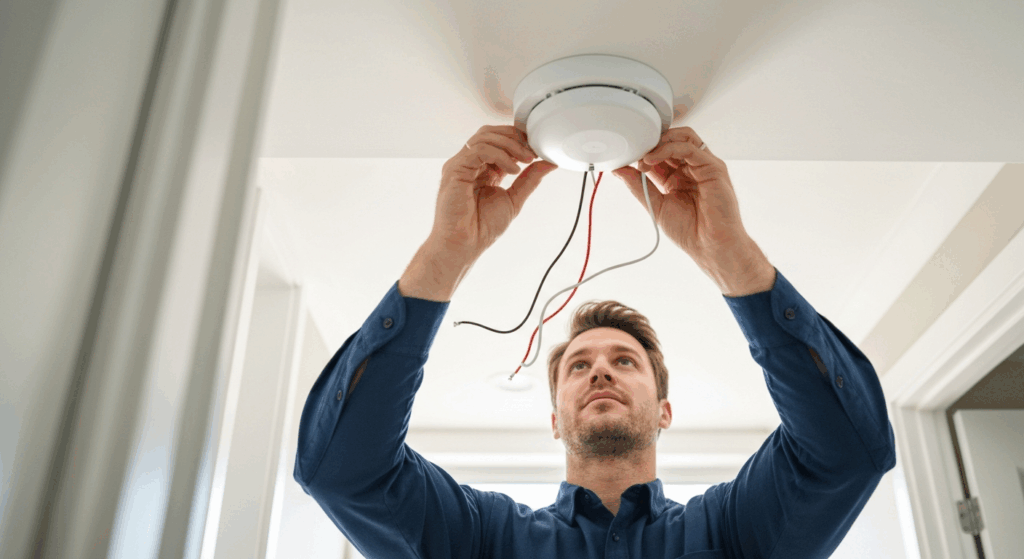
Modern smoke detectors aren't just battery-powered anymore. The NEC requires them to be hardwired into your home's electrical system. But wait, what if the power goes out? Ah, that's where the battery backup comes in! This ensures your detectors are always on duty, come rain, shine, or power outage. It's redundancy for your peace of mind.
Beyond the Basics: Placement Pointers!
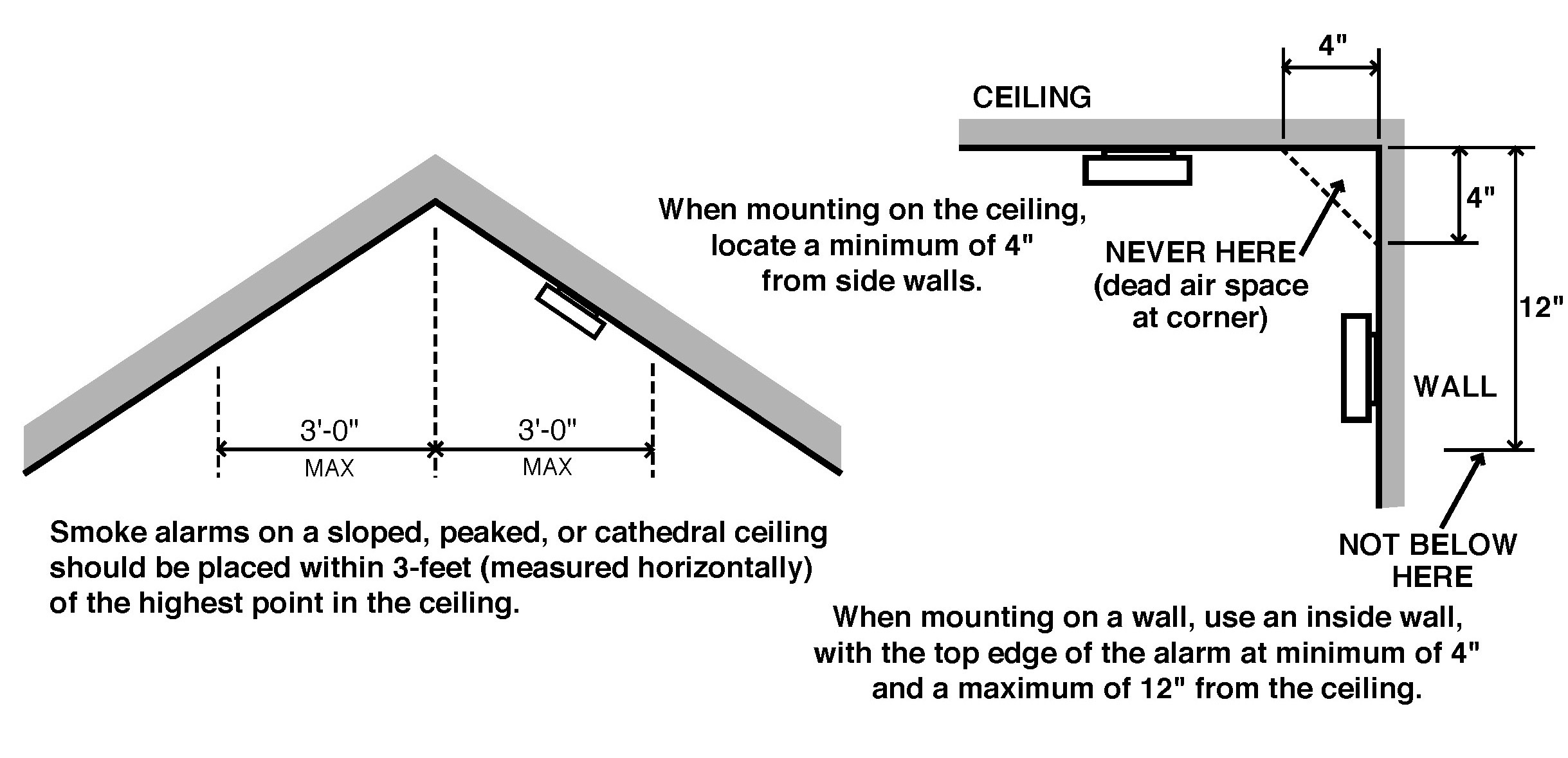
While the NEC focuses on where the detectors should be generally, common sense (and manufacturer instructions!) helps with the exact spot:
- Avoid placing them too close to corners (dead air space can prevent smoke from reaching them).
- Keep them away from air vents or ceiling fans (airflow can mess with smoke detection).
- Don't put them too close to kitchens or bathrooms (steam from a shower or a burnt piece of toast are notorious for false alarms!). A good rule of thumb is at least 10 feet from cooking appliances.
Why This Makes Life More Fun (and Less Stressful!)
So, you've absorbed some NEC wisdom. You know the key spots. Now, how does this make life more "fun"?
First, it gives you incredible peace of mind. Imagine drifting off to sleep knowing that your home is equipped with a smart, effective early warning system, meticulously placed according to expert guidelines. That's a deep, restful sleep you can't buy at any price.
Second, you're now an informed homeowner. You can confidently walk through your house, knowing if your smoke detector setup is up to snuff. If you're building, renovating, or just doing a quick check, you understand the "why" behind the "where." You're not just installing gadgets; you're implementing a safety strategy.
Third, it makes you a proactive protector. You’re not waiting for an emergency; you’re preventing a tragedy. That feeling of empowerment, of taking charge of your family's safety, is incredibly rewarding. Plus, avoiding potential headaches with insurance or inspections because you've met code requirements? That's a definite win!
Ready to Be a Home Safety Champion?
See? Who knew the National Electrical Code could be so inspiring? It's not about dull regulations; it's about giving you the tools to create the safest, most secure environment for yourself and your loved ones. It’s about turning potential worry into actual peace of mind.
So, take a stroll through your home today. Do your smoke detectors meet these essential NEC guidelines? If not, don't fret! Learning is the first step. You can easily find more detailed information on local building codes (which often incorporate or expand upon the NEC) or consult with a qualified electrician or fire safety expert. They can help ensure your home is fully equipped to protect what matters most.
Go forth and be a safety guru! Your family will thank you, and you'll sleep a little sounder knowing you've built a truly protected haven. Isn't that an inspiring thought?