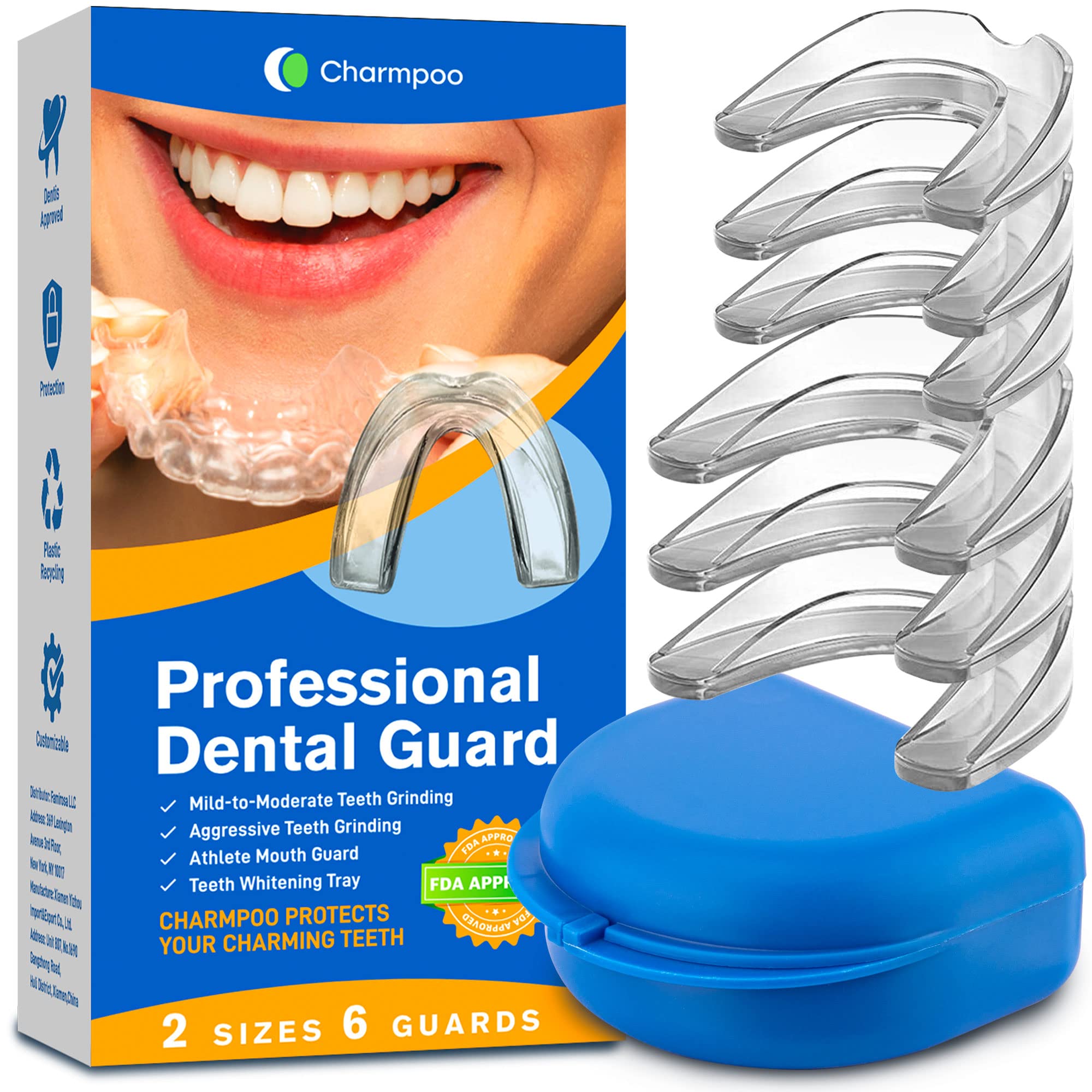
Natural Mouth Guard For Teeth Grinding

Okay, let's talk teeth grinding, or as the cool kids call it, bruxism. You know, that nocturnal ninja activity your jaw does when you're supposedly relaxing? It's more common than you think, affecting millions – even celebrities like Megan Fox have admitted to battling it. But before you start picturing yourself as a sleep-deprived, jaw-clenching superhero, let's explore some natural ways to protect those pearly whites.
So, What's the Grind About?
First, a little background. Teeth grinding often stems from stress, anxiety, or even sleep disorders. Think of it as your subconscious taking out the day's frustrations on your molars. Sometimes, it's linked to misaligned teeth or a jaw problem. Regardless of the cause, the effects can range from annoying jaw pain to serious dental damage.
DIY Defense: Natural Mouth Guard Alternatives
While custom-fitted mouth guards from your dentist are the gold standard, sometimes you need a more immediate, wallet-friendly solution. Here are a few natural approaches to consider:
Must Read
- Magnesium Magic: Magnesium is a natural muscle relaxant. Incorporating magnesium-rich foods into your diet, like spinach, almonds, and dark chocolate (yes, you read that right!), can help ease jaw tension. Think of it as a delicious shield against nighttime grinding.
- Calming Teas: Sip on chamomile, lavender, or valerian root tea before bed. These herbs are known for their calming properties and can help promote relaxation, reducing the likelihood of grinding. Pro-tip: Add a touch of honey for extra soothing sweetness.
- Essential Oil Oasis: Aromatherapy isn't just for fancy spas. Diffusing lavender, chamomile, or frankincense essential oils in your bedroom can create a relaxing atmosphere conducive to sound sleep and less grinding. Just a few drops in a diffuser can make a world of difference.
- Mindful Meditation: Stress is a major trigger for bruxism. Practicing daily meditation or deep breathing exercises can help manage stress levels and reduce jaw tension. Even just five minutes of mindfulness before bed can be a game-changer. Picture yourself on a serene beach, not battling unseen forces in your sleep.
- Warm Compress Comfort: Before hitting the hay, apply a warm compress to your jaw muscles. This can help relax tense muscles and ease discomfort. It's like giving your jaw a mini spa treatment.
Beyond the Basics: Lifestyle Tweaks
These natural remedies work best when combined with healthy lifestyle choices:
- Limit Caffeine and Alcohol: These substances can interfere with sleep and increase anxiety, potentially exacerbating teeth grinding. Swapping that evening coffee for herbal tea is a small change with big benefits.
- Avoid Chewing Gum: Excessive chewing can overwork your jaw muscles and make them more prone to clenching. Give your jaw a break!
- Maintain Good Sleep Hygiene: Create a relaxing bedtime routine, stick to a consistent sleep schedule, and ensure your bedroom is dark, quiet, and cool. A good night's sleep is your best defense against almost anything.
Cultural Connections: Grinding Around the World
Did you know that teeth grinding isn't just a modern phenomenon? Ancient cultures have recognized and addressed bruxism for centuries. In some traditions, it was believed to be caused by evil spirits and was treated with herbal remedies and rituals. While we might not subscribe to those beliefs today, it's a reminder that this issue has been around for a long time, and there are many ways to approach it.
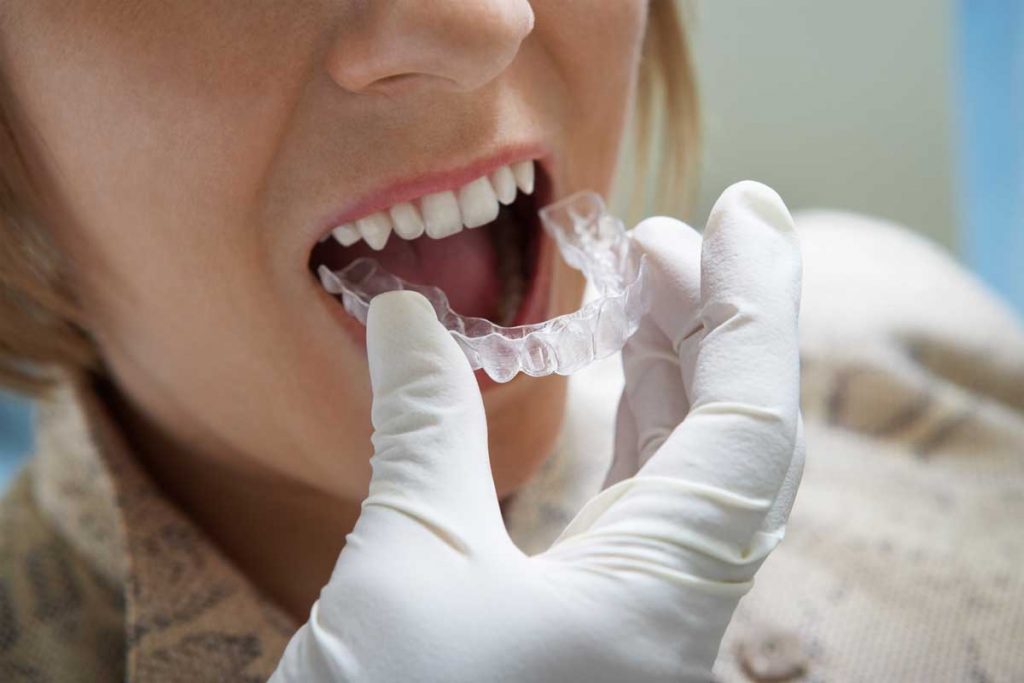
Fun Fact: The Power of the Yawn
Speaking of relaxation, yawning is a natural way to stretch and relax your jaw muscles. So, go ahead, let out a big yawn! Just maybe not during a crucial meeting.
When to Seek Professional Help
While these natural alternatives can be helpful, they aren't a substitute for professional dental care. If you're experiencing persistent jaw pain, headaches, or significant tooth damage, it's crucial to consult your dentist. They can assess your situation and recommend the best course of treatment, which may include a custom mouth guard or other interventions.
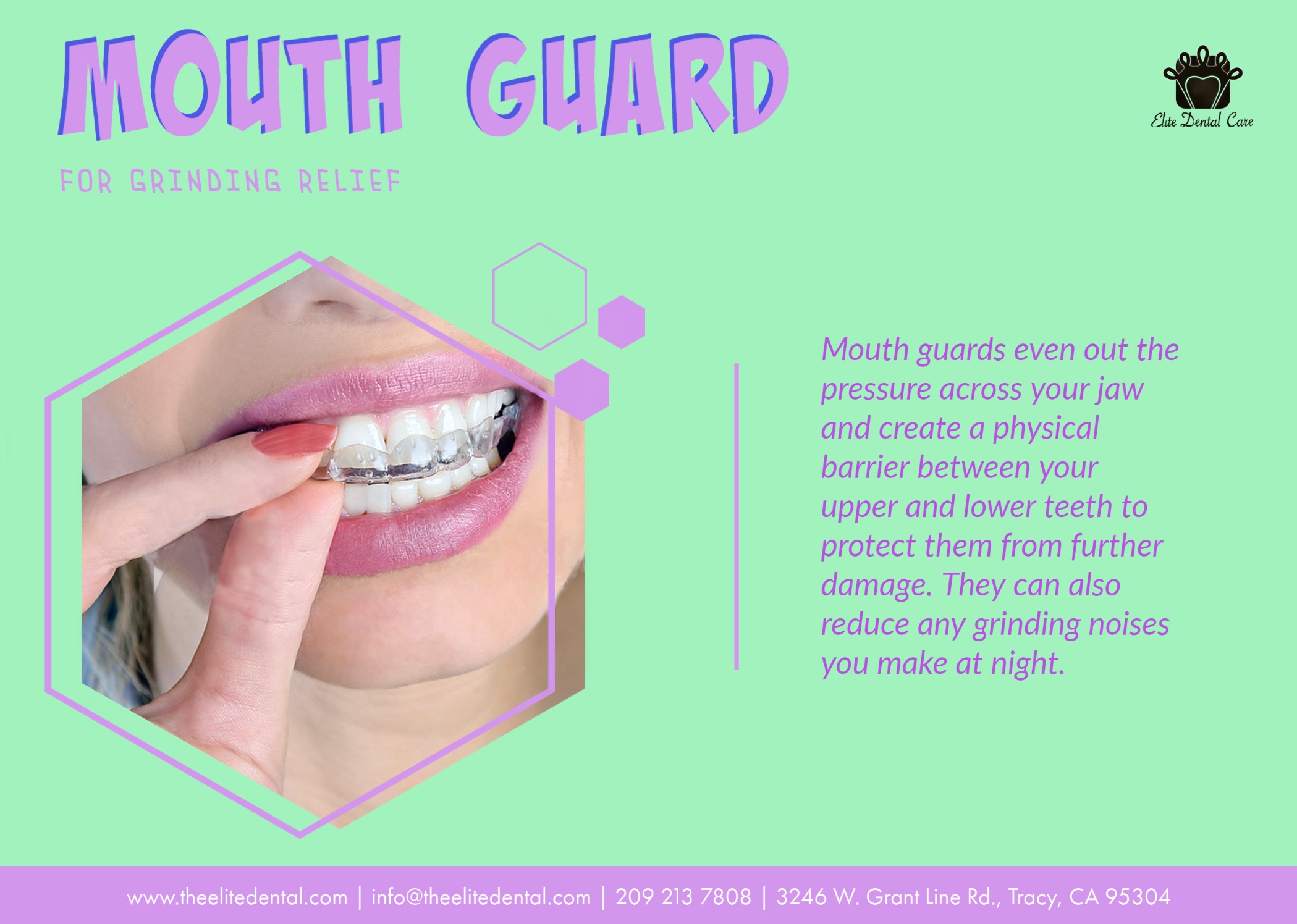
Remember, taking care of your teeth is an act of self-care. Just like we prioritize healthy eating and exercise, tending to our oral health contributes to our overall well-being. So, give your jaw a break, embrace relaxation techniques, and protect those pearly whites. Your smile will thank you for it!
Final Thoughts: Incorporating these simple practices into your daily routine can bring about meaningful and lasting positive changes. Life is a symphony of moments, so let's harmonize wellness practices to our routines for a brighter and healthier you!