
Natural Gas Renewable Or Nonrenewable Resource
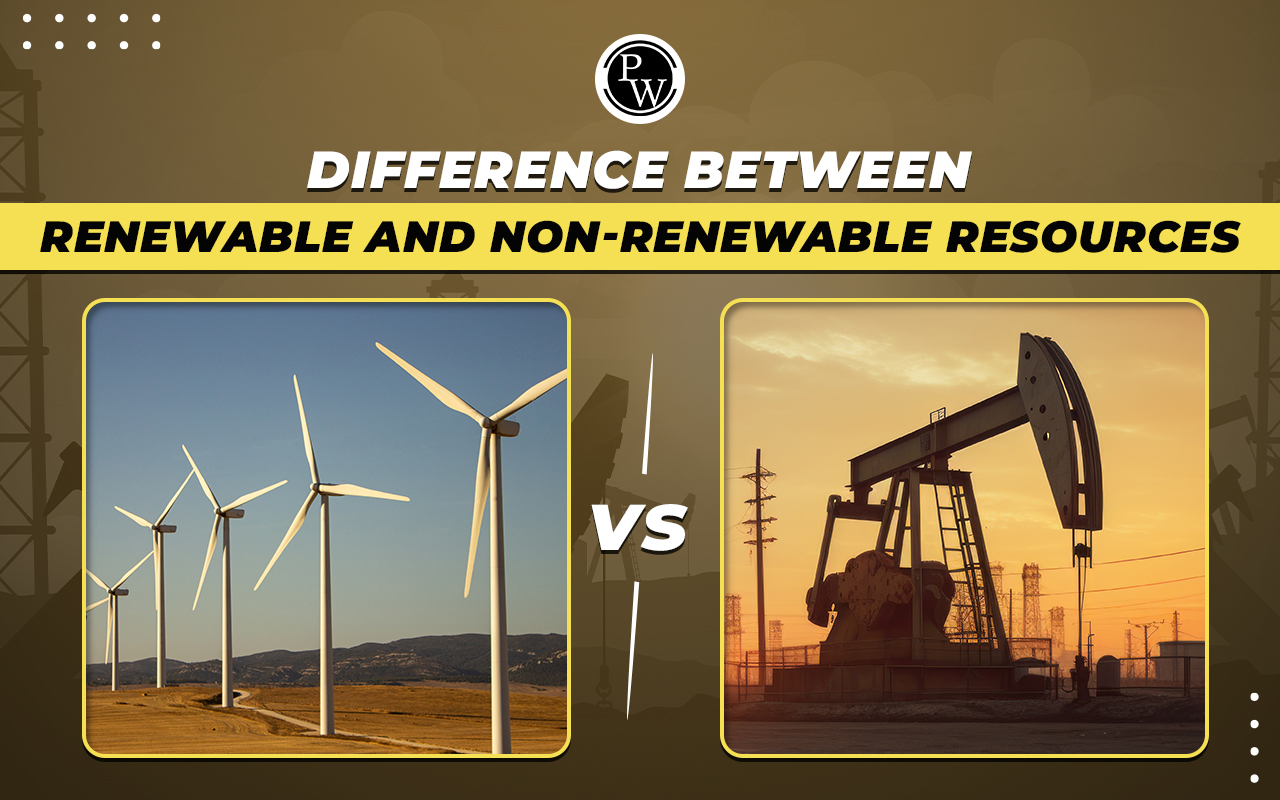
Hey friend! Ever wondered about natural gas? Like, is it going to stick around, or are we going to run out one day and have to, I don't know, power our stoves with hamsters on tiny treadmills? (Okay, probably not, but humor me!). Let's dive into the big question: is natural gas renewable or nonrenewable?
So, What’s the Deal? Renewable vs. Nonrenewable
First, let's define our terms. Renewable resources are things that can be replenished naturally over a relatively short period of time. Think sunshine (hello, solar power!), wind, and trees. Basically, stuff that nature keeps making. We're talking about resources that Mother Nature is constantly restocking, like a never-ending buffet!
Nonrenewable resources, on the other hand, are finite. Meaning, there’s a limited supply, and once we use them up, that’s it, folks! No more. Think fossil fuels like oil, coal, and… you guessed it… natural gas! They take millions of years to form. That's longer than it takes to binge-watch every show on Netflix, just sayin'.
Must Read
Natural Gas: The Nonrenewable Reality
Alright, so the verdict? Sadly, natural gas is a nonrenewable resource. It’s formed from the remains of ancient plants and animals that lived millions of years ago. These organic materials were subjected to intense heat and pressure deep beneath the Earth's surface, transforming them into the fuel we use today. This process is so slow that, for all practical purposes, we can't make more in a human timescale. So, it's not like we can just plant a "natural gas seed" and expect a harvest next year!
It's like finding a really awesome antique in your attic. Once you've sold it, it's gone. There aren't magically more antiques appearing to replace it (unless you have a seriously creepy attic, in which case, maybe don't sell anything!).
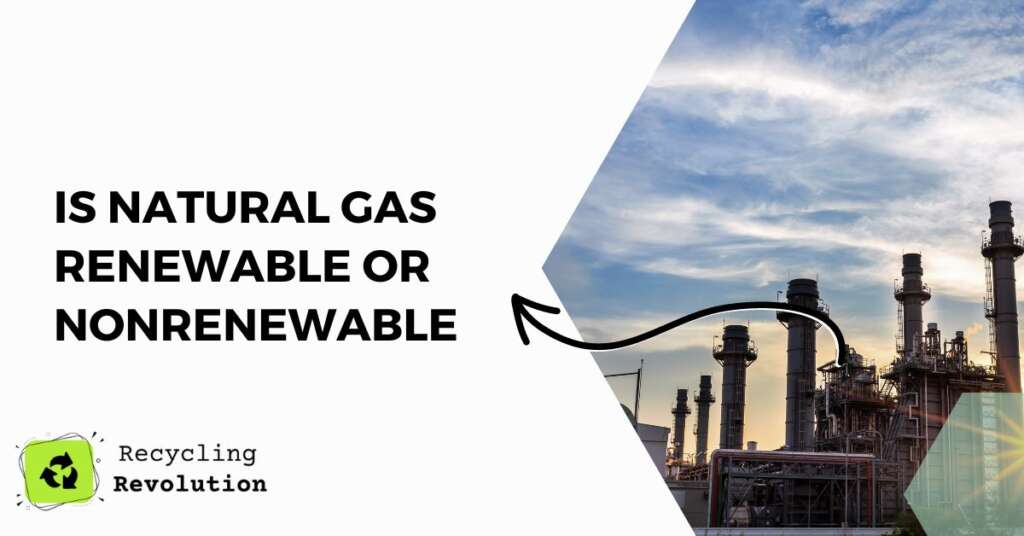
But Wait! There's a "Renewable" Twist! (Sort Of)
Okay, don't get too bummed out yet! There's a little glimmer of hope on the horizon. Scientists and engineers are exploring ways to create something called renewable natural gas (RNG), also known as biomethane.
This is where things get interesting. RNG is produced from organic waste like landfill gas, wastewater treatment, and agricultural waste. Think of it as recycling for the energy world! It’s chemically identical to natural gas and can be used in the same way. It's like turning your trash into treasure…energy treasure, that is!

So, while naturally occurring natural gas is definitely nonrenewable, RNG offers a potentially sustainable alternative that could help reduce our reliance on fossil fuels. It's still relatively new and not widely used, but the potential is there! It’s like the underdog in a movie, slowly but surely making progress.
Why This Matters
Knowing whether something is renewable or not is pretty important, right? It impacts everything from energy policy to your monthly bills. Understanding the nature of natural gas – its limitations and the potential of RNG – helps us make more informed decisions about energy consumption and sustainability.

Plus, if we’re all informed, we can have better conversations about the future of energy. It's like knowing the rules of the game before you start playing! Nobody wants to be stuck in the dark ages because we ran out of fuel. (Though, I guess candlelight dinners would become mandatory, so there's that…).
The Takeaway: It's About Balance
So, to recap: natural gas, as we typically think of it, is nonrenewable. But renewable natural gas (RNG) offers a potentially sustainable alternative, which is cool. Ultimately, transitioning to a cleaner, more sustainable energy future requires a multi-faceted approach. We need to develop and utilize renewable energy sources, improve energy efficiency, and explore innovative solutions like RNG.
Let’s look on the bright side! We're talking about it, we're researching it, and we’re actively trying to find ways to make things better. It's all about progress, not perfection, and every little bit helps. Keep asking questions, stay curious, and remember, even small changes in our daily lives can make a big difference! Go forth and be an energy-conscious superhero!
