My Smoke Alarm Goes Off For No Reason

We’ve all been there. You’re deep into your favorite true-crime podcast, perfecting a new pasta dish, or perhaps just enjoying a rare moment of serene silence, when suddenly—BEEP! BEEP! BEEP!—the piercing shriek of your smoke alarm rips through the peace. Your heart leaps into your throat, you frantically sniff the air, scan the ceiling, and prepare for battle... only to find absolutely, positively, no smoke at all.
It's the ultimate domestic jump scare, isn't it? That immediate rush of adrenaline, the frantic search for a nonexistent fire, followed by a profound sense of exasperation. Why do these essential guardians of our safety sometimes decide to throw a five-alarm party for, well, nothing?
The Unwanted Rave: Decoding the False Alarm
Before you banish your smoke detector to the garage, let’s peel back the curtain on why these notoriously sensitive gadgets sometimes overreact. It’s usually not because they’re faulty, but because they’re doing their job really well – perhaps a little too well for everyday life.
Must Read
One of the biggest culprits is often invisible air particles. Think about it: your smoke alarm isn't just looking for raging flames. Many modern alarms, especially photoelectric types, are designed to detect even the tiniest combustion particles. This sensitivity is great for catching slow, smoldering fires, but it also makes them prone to false alarms from less threatening sources.
Steam, Spice, and Everything... Alarming
Ever had your alarm go off after a particularly steamy shower? You’re not alone! Humidity and steam from hot showers or even a vigorously boiling pot of pasta can trigger the sensors. The alarm mistakes the dense water vapor for smoke particles. It’s a common occurrence, leading many to reposition alarms away from bathrooms and kitchens.

And speaking of kitchens, even if you're not burning dinner, your alarm might still register a complaint. Cooking fumes from searing steak, toasting bread a shade too dark, or even just high-temperature cooking can release microscopic particles that mimic smoke. It’s why having a good range hood and proper ventilation is key, especially if your kitchen and living area are open concept.
The Dust Bunnies' Revenge
Believe it or not, dust and cobwebs are also major offenders. Over time, these microscopic invaders can accumulate inside the smoke detector's sensing chamber. When enough particles build up, they can interfere with the light beam (in photoelectric alarms) or the ionization current (in ionization alarms), causing it to believe there's smoke present. It’s a bit like a tiny, dusty ghost tripping the alarm!

Practical Tip: Make it a habit to gently vacuum around your smoke detectors or wipe them with a damp cloth a couple of times a year. You might be surprised what comes off!
Beyond the Mystery: Practical Tips for a Quieter Life
So, what do you do when the siren wails for no good reason? First, always assume it's real until proven otherwise. A quick check of your surroundings is paramount. Once you're confident there's no actual danger, here’s your troubleshooting toolkit:

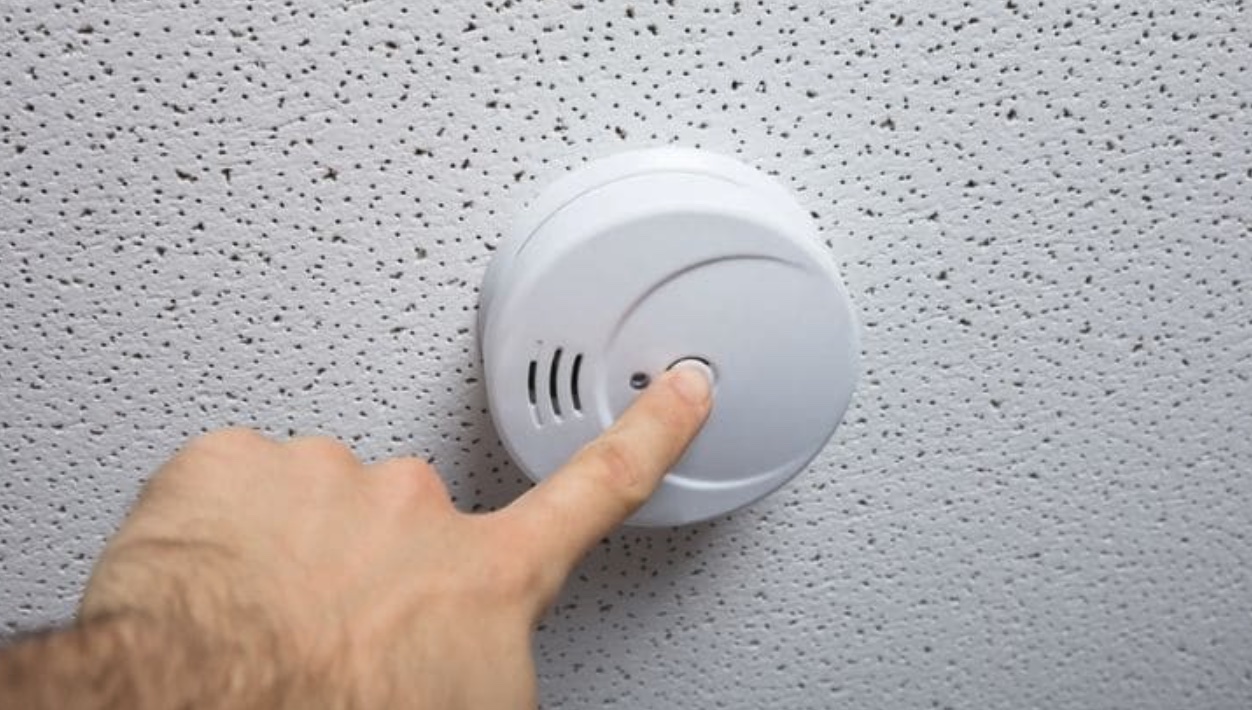
- Press the Silence Button: Most modern alarms have a "hush" or "test/silence" button. A quick press can mute it for a few minutes, giving you time to clear the air.
- Ventilate: Open windows and doors, turn on extractor fans. Clear out any steam, fumes, or lingering particles.
- Check the Battery: If your alarm is doing a less aggressive, intermittent chirp, it's likely a low battery warning. Don’t ignore this! It’s telling you it’s time for a fresh power source. A fun fact: the National Fire Protection Association (NFPA) recommends changing your smoke alarm batteries at least once a year, often suggesting to do it when you change your clocks for daylight saving.
- Clean Your Alarm: As mentioned, a quick vacuum or wipe can work wonders. Be gentle!
- Check the Expiry Date: Did you know smoke alarms don't last forever? They typically have a lifespan of 10 years. There's often a manufacturing date on the back. If yours is older, it might be time for a replacement. Even if it seems to work, components can degrade over time, making them less reliable or more prone to false alarms.
The Bigger Picture: A Noisy Reminder
While the sudden, unwarranted blare of a smoke alarm can be utterly maddening, especially at 3 AM, it's a noisy reminder of their vital role. These devices are designed to be our first line of defense, giving us precious minutes to react in a real emergency. They save countless lives every year, a fact that makes a few false alarms a small price to pay.
Think of it as your home’s highly caffeinated, overzealous security guard, always on duty. Sometimes it sees a leaf blowing by and hits the panic button, but mostly, it’s just looking out for you. So, next time your smoke alarm screams about your slightly-too-toasted bagel, take a deep breath. Mute it, ventilate, and remember that a little false alarm fuss is far better than the alternative. It’s just another quirky, noisy part of the beautiful, messy symphony of daily life at home.