
My Carbon Monoxide Detector Keeps Beeping

You know that sound, right? That little, high-pitched chirp. It’s subtle at first, just a ghost of a sound, like a tiny bird trapped in your wall. Then it hits you, usually at 3 AM: your carbon monoxide detector is serenading the abyss again. My friends, I've been there. I’ve stumbled through my house, half-asleep, convinced it was either a possessed smoke detector or a bat with a particularly aggressive mating call.
The first time it happened, my brain went straight to the worst-case scenario. Was it a poltergeist? Was my house spontaneously combusting? Was it a sign that I’d finally achieved peak adulting and forgotten to water my plants for too long? No, it was just my trusty CO detector, trying to tell me something important in its own wonderfully annoying way.
"Is My House Exploding?" — Decoding the Beeps
Before you evacuate your entire family and call the Ghostbusters, let's distinguish between the two main types of beeps. There's the chirp, which is usually a polite (but incredibly persistent) suggestion. Then there's the full-blown, ear-splitting, evacuate-now alarm, which sounds like an angry referee in a metal drum. We'll get to that one, but let's start with the more common, soul-sucking chirp.
Must Read
More often than not, that little chirp isn't your house trying to murder you with invisible gas. It’s usually one of two things, both easily fixable, but both requiring a moment of frantic searching and existential dread.
The Battery Saga: A Tale of Tiny Power
Ah, the classic. Your detector is likely telling you, in no uncertain terms, that its 9-volt battery is on its last legs. Think of it as your carbon monoxide detector’s way of saying, “Hey! I’m still here! But just barely! Please feed me energy before I kick the bucket!”
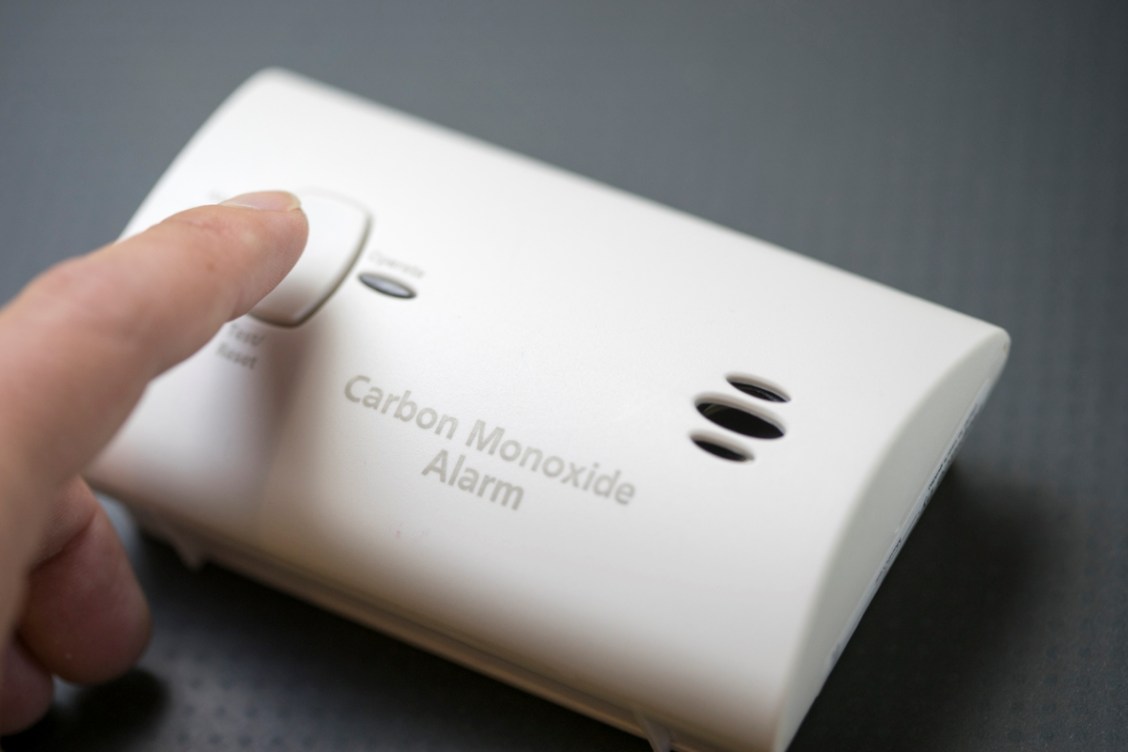
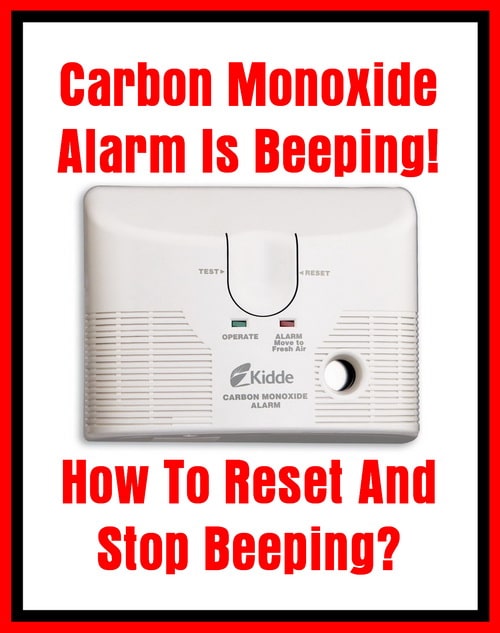
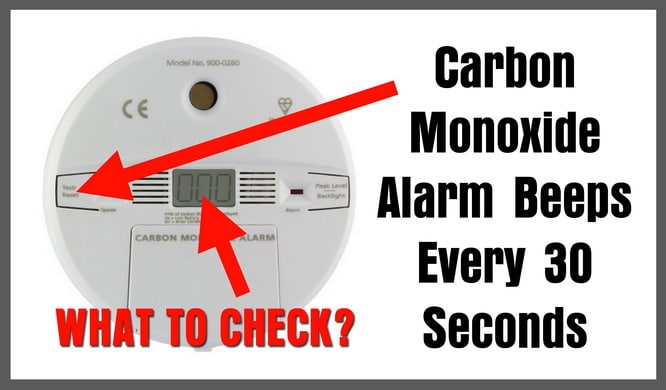
This is the most frequent culprit behind the dreaded chirp. It's almost always a short, intermittent beep every 30 seconds or so. It feels designed to drive you absolutely bonkers, often starting at the most inconvenient times, like during a crucial movie scene or right after you’ve finally managed to lull a baby to sleep. The struggle to locate the offending device amongst its seemingly identical brethren is a challenge worthy of an Olympic medal.
What to do: Take a deep breath. Locate the chirping culprit. Gently twist or unclip it from its base. Pop open the battery compartment. Do not just yank out the battery and toss it – replace it with a fresh alkaline 9-volt battery. And for the love of all that is holy, test it afterwards! Most have a "test" button that will emit a very loud, but brief, series of beeps. That's good! It means it’s working again.
The End-of-Life Announcement: Yes, They Expire!
This one often catches people off guard. Seriously, how many of us know that our carbon monoxide detectors have an expiration date? It's not like they come with a tiny "best by" sticker next to the yogurt in your fridge. But they do! Most CO detectors are only good for about five to seven years from their manufacture date, not the date you installed them.
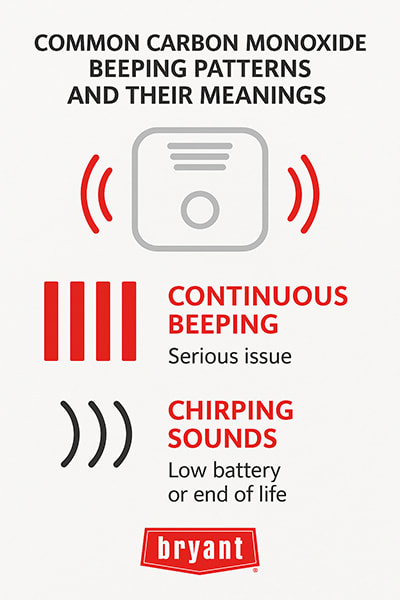
Why do they expire? Well, the sensors inside these magical little boxes don't last forever. They're like us: they get tired, they lose their edge, and eventually, they just can't sniff out invisible killers with the same youthful vigor. When they reach their expiration date, they start chirping—often a slightly different pattern than the low-battery chirp, but equally annoying—to let you know it’s time for retirement.
What to do: Check the back or side of your detector for a "replace by" or "manufacture date" sticker. If it's passed its prime, it's time for a new one. Don't be sentimental. Thank it for its service, dispose of it properly (check local regulations!), and install a brand-new sentinel against the silent killer. You can usually find these at any hardware store.
The Oh Crap Alarm: Actual Carbon Monoxide!
Okay, now for the serious part. If your CO detector is emitting a loud, continuous, rapid series of beeps (usually four beeps followed by a pause, repeated), it means one thing: there is carbon monoxide in your home. This is not a drill. This is not a low battery. This is your detector doing its job, literally saving your life.
Carbon monoxide, often called the "silent killer," is truly insidious. It's invisible, odorless, tasteless, and non-irritating. You won't smell it like gas, or see it like smoke. It works by preventing your blood from carrying oxygen to your brain and heart. Early symptoms can feel like the flu—headache, dizziness, nausea, fatigue—which makes it dangerously easy to ignore.
Sources of CO can include faulty furnaces, gas stoves, fireplaces, clogged chimneys, generators, and even cars left running in an attached garage. Any appliance that burns fuel can potentially produce CO.
What to do IMMEDIATELY:
- GET EVERYONE OUT. And I mean everyone – pets included. Do not dither.
- Do NOT try to find the source. Your priority is fresh air.
- Once safely outside, call 911 or your local fire department. They have the equipment to safely detect CO levels and determine the source.
- Do NOT re-enter your home until emergency personnel tell you it's safe.
This isn't a joke, my friends. Carbon monoxide detectors are one of the cheapest and most effective life-saving devices you can have in your home. They are literal superheroes in little plastic boxes.
So, the next time your CO detector decides to belt out its tiny, irritating song, remember that it's just trying to communicate. Whether it's begging for a fresh battery, announcing its retirement, or truly shouting for help, take it seriously. A little bit of proactive maintenance or a swift, decisive action can mean the difference between a mild annoyance and a genuine tragedy. Stay safe, stay aware, and keep those detectors chirping (when they’re supposed to!).