
Mugunghwa Kkochi Pieot Seumnida

Okay, so picture this: It's a rainy Tuesday, I'm scrolling through Netflix, desperately searching for something – anything – to watch that isn't another true crime doc. My algorithm, bless its heart, suggests "Squid Game." I scoff. Another hyper-popular, potentially overhyped show? I’m resistant. But, boredom won out. And let me tell you, I was immediately hooked. Like, hooked.
And that's how I found myself whispering (or shouting, depending on my caffeine levels) "Mugunghwa Kkochi Pieot Seumnida" in my best creepy little girl voice at my bewildered cat, Mr. Fluffernutter. (Don't judge. We all do weird things when we’re alone…right?)
But what is "Mugunghwa Kkochi Pieot Seumnida" anyway? Besides a tongue-twister that I still can't quite nail? It's more than just a phrase; it's a cultural touchstone, a children's game, and, thanks to "Squid Game," now an internationally recognized phrase of impending doom. Seriously, if you hear that, run!
Must Read
The Literal Translation: More Than Just Words
Let's break it down. "Mugunghwa" (무궁화) refers to the Rose of Sharon, the national flower of South Korea. It's a symbol of perseverance and resilience – pretty appropriate for a show about desperate people fighting for their lives, don't you think?
"Kkochi" (꽃이) simply means "flower." And "Pieot Seumnida" (피었습니다) means "has bloomed." So, the whole thing literally translates to "The Rose of Sharon has bloomed." Sounds almost poetic, doesn’t it? Until you remember what happens when the creepy robot girl stops singing...
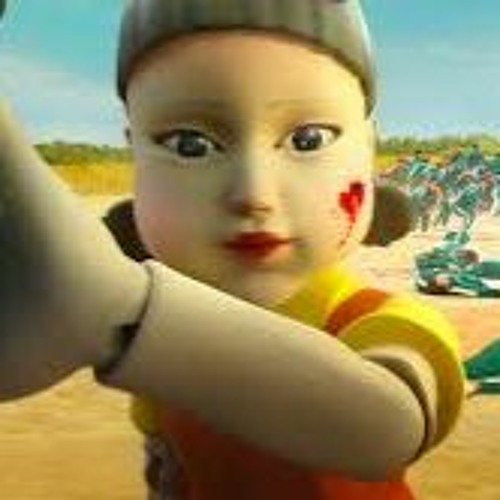
See, it's not just what she's saying, but how she's saying it. That slow, deliberate, almost robotic delivery is what sends chills down your spine. It’s the auditory equivalent of a horror movie jump scare, except you know it's coming, and you still flinch.
A Childhood Game, Now with Lethal Consequences
The game itself is similar to "Red Light, Green Light" or "Grandma's Footsteps" – games most of us played as kids. One person (in this case, a giant, unsettling doll) turns their back and chants the phrase. While the chant is happening, players can move. When the chant stops and the doll turns around, everyone has to freeze. Anyone caught moving is eliminated. In "Squid Game," "eliminated" means something a little more permanent.

It's this juxtaposition of innocent childhood game and brutal, deadly stakes that makes the whole thing so disturbing. We’re used to thinking of these games as fun, lighthearted. But "Squid Game" flips that on its head. It’s a brilliant commentary on desperation and the things people will do for a chance at a better life. (Deep, I know, but also kind of terrifying.)
"Squid Game" and the Power of Cultural Export
"Mugunghwa Kkochi Pieot Seumnida" has become a cultural phenomenon. You see it everywhere: memes, parodies, even Halloween costumes. It's a testament to the power of "Squid Game" and its ability to break through language barriers and resonate with audiences worldwide. Think about it: A phrase in Korean, uttered by a creepy doll, is now instantly recognizable to millions of people. That's pretty wild.

But it's also a reminder that culture is fluid and ever-evolving. What was once a simple children's game is now associated with high stakes, survival, and, let’s be honest, a healthy dose of existential dread. (Don't worry, I'm sure Mr. Fluffernutter will protect me if the creepy doll ever shows up. Probably. Maybe. I'll offer him extra treats just in case.)
So, next time you hear "Mugunghwa Kkochi Pieot Seumnida," take a moment to appreciate its layers of meaning. It's more than just a phrase; it's a symbol of Korean culture, a chilling reminder of "Squid Game," and a perfect excuse to give your pet a slightly concerned look while whispering something in a language they definitely don't understand. You know, just for fun.
And hey, maybe practice freezing really, really still. Just in case. You never know when a giant robot doll might be watching.
