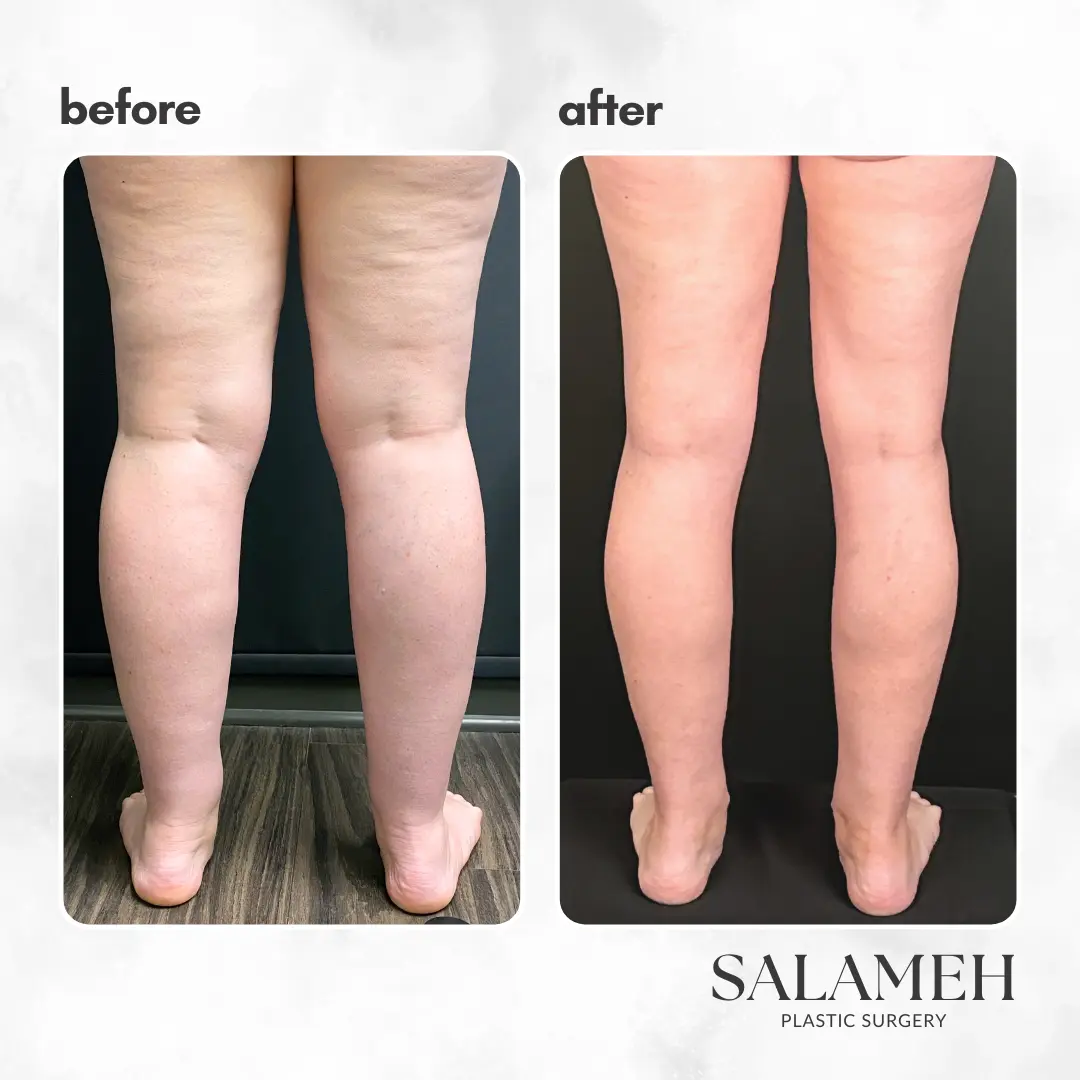
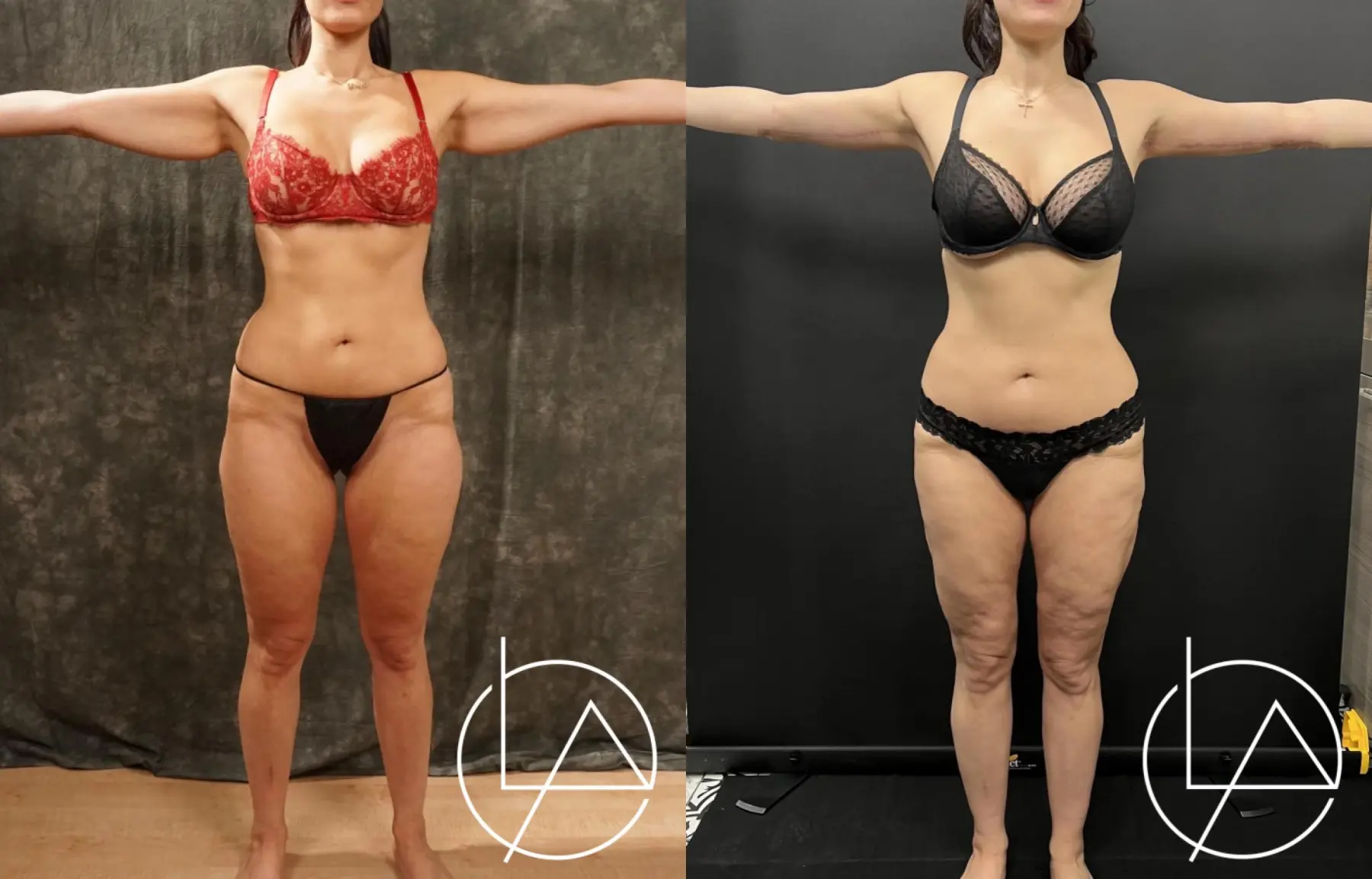
Mucinex For Lipedema Before And After

Let's be honest, nobody enjoys being congested. We all crave that feeling of clear airways, that easy breath that lets us get through the day without sounding like a freight train. That's where Mucinex comes in. We reach for it when we're stuffed up, hoping for relief from that awful chest congestion and the incessant cough that goes along with it. We want to feel like ourselves again, not a walking, talking mucus factory. But what if I told you people are exploring Mucinex for a condition far beyond the common cold? Something called Lipedema?
Mucinex, at its core, is an expectorant. Its active ingredient, guaifenesin, works by thinning the mucus in your airways, making it easier to cough up and clear out. This is hugely beneficial when you have a cold or flu. It helps you breathe easier, reduces coughing fits, and overall, makes you feel much more comfortable. We use it in everyday scenarios – battling seasonal allergies, fighting off a winter cold, or even just when pollution kicks our sinuses into overdrive. Think of it as a little helper that unclogs your internal pipes.
Common applications are pretty straightforward: you take it according to the package directions, usually with a full glass of water, and wait for the magic to happen. (Okay, not magic, but science!). Many take it before bed to help them sleep more comfortably through the night, free from the torture of a hacking cough. Others take it throughout the day to keep the mucus at bay and avoid that embarrassing moment when you can't stop coughing during a meeting.
Must Read
Now, here's where things get interesting. While Mucinex is typically associated with respiratory relief, some individuals with Lipedema are exploring its potential benefits. Lipedema is a chronic condition that primarily affects women, causing an abnormal buildup of fat in the legs, hips, and sometimes arms. This fat is often painful, tender to the touch, and resistant to diet and exercise. While there's no cure for Lipedema, managing symptoms is crucial.
The connection between Mucinex and Lipedema is still being investigated, and it's important to emphasize that this is not a widely accepted treatment. The idea is that the mucolytic properties of guaifenesin might help improve lymphatic drainage and reduce inflammation associated with Lipedema. Some individuals have reported anecdotal improvements in swelling, pain, and mobility after using Mucinex, but these are not scientifically proven results. You might see "Mucinex for Lipedema before and after" photos online, but approach them with caution and a healthy dose of skepticism.

If you're considering trying Mucinex for Lipedema, it's absolutely crucial to talk to your doctor first. They can assess your individual situation, advise on potential risks and benefits, and determine if it's a safe and appropriate option for you. Never self-treat, especially with a chronic condition like Lipedema. Remember, there's no substitute for professional medical advice.
So, while Mucinex might not be a magic bullet for Lipedema, the exploration of its potential benefits highlights the importance of research and patient advocacy in finding ways to manage this challenging condition. And, of course, it remains a reliable friend for those of us battling the everyday challenges of congestion and cough!