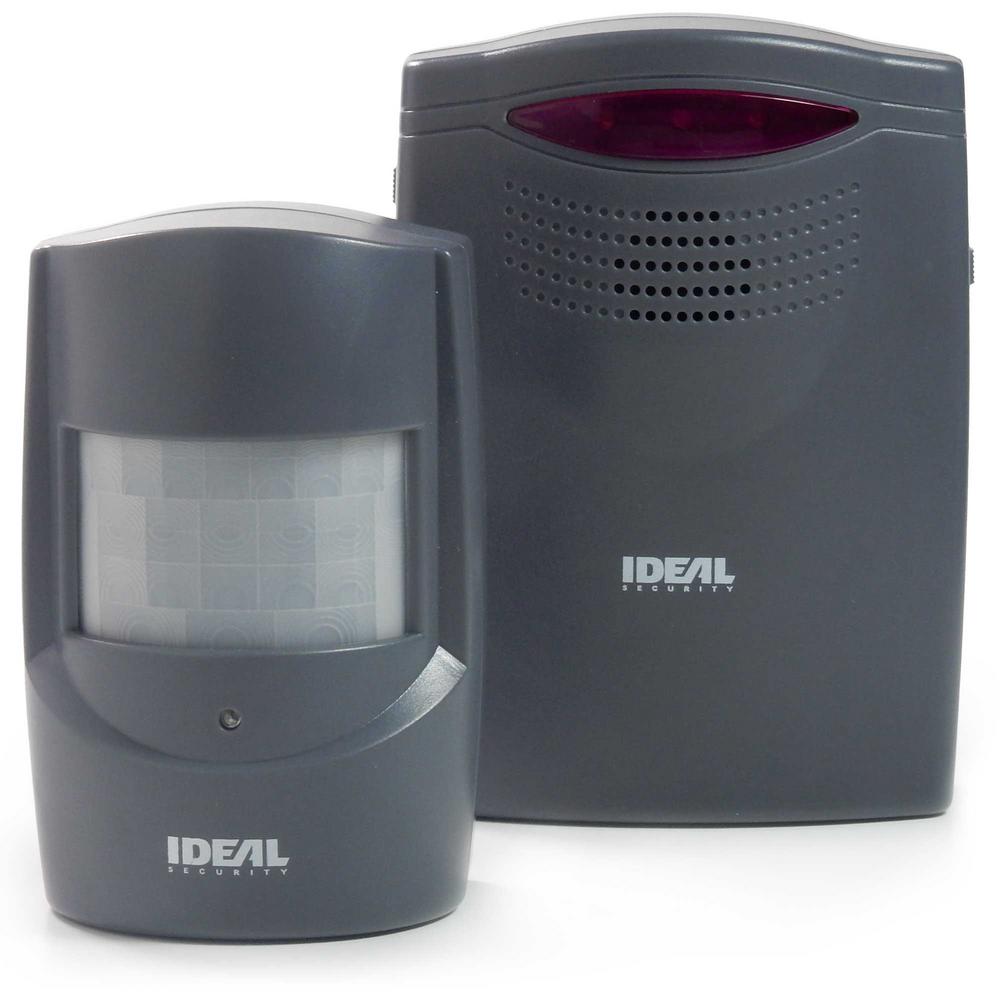
Motion Detector Home Security Systems

Ever had that little itch of curiosity, wondering what your house is up to when you're not around? Like, is the fridge planning a midnight snack rebellion? Or perhaps the cat is hosting a secret squirrel convention? Okay, maybe not quite that dramatic, but there’s a genuine, human desire to feel secure and know what's happening in our personal spaces. And that's where motion detector home security systems step into the spotlight!
Think about it: these clever gadgets are like having an extra set of watchful eyes that never blink, a friendly guardian constantly on patrol. They’re not just for high-tech fortresses anymore; they’re a super accessible way to add a layer of peace to your everyday life. So, let's peel back the curtain a bit and see what makes them so cool, shall we?
What Exactly Are We Talking About?
At its heart, a motion detector is simply a device designed to do one very specific thing: sense movement. When it spots something moving in its field of vision or detection zone, it sends a signal. This signal can do all sorts of things, from flipping on a light to, yes, setting off an alarm. Pretty straightforward, right? But the magic is in how they do it.
Must Read
It's not just a single type of tech either; there are a few clever tricks these sensors employ. The most common ones you'll find in homes use a couple of different approaches, often working together for extra smarts.
The "How-To" of Sensing Motion
One popular type is called a Passive Infrared (PIR) sensor. Don't let the fancy name scare you! All it really means is that it's passively looking for changes in heat. Everything with a temperature, including people and animals, emits some infrared radiation (which is basically heat). A PIR sensor has a special lens that divides its detection area into tiny segments. When a warm body moves from one segment to another, the sensor notices the change in infrared energy. It's like a tiny, silent thermal camera, always scanning for heat signatures.
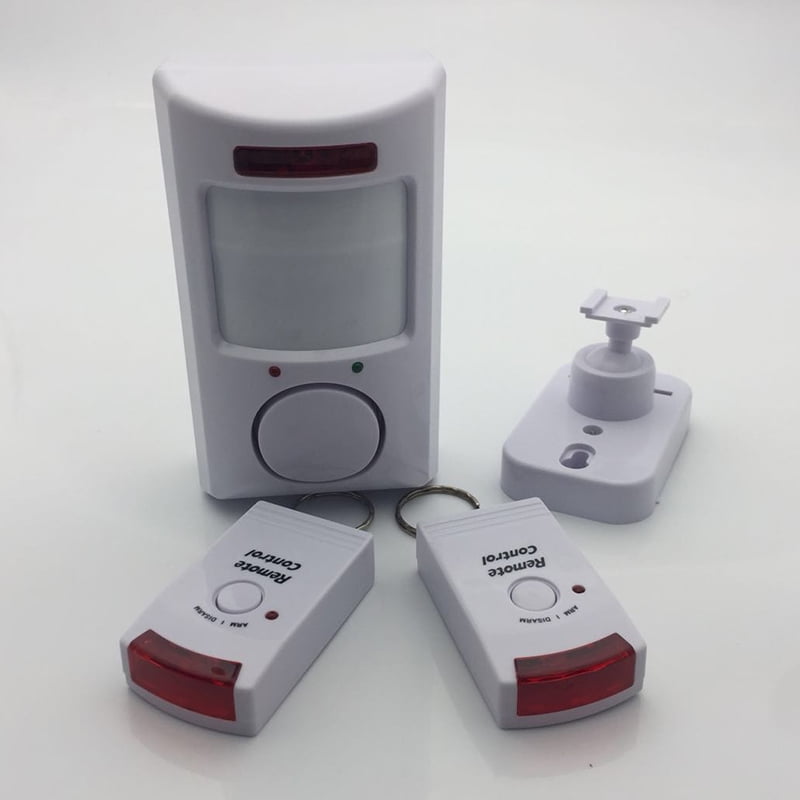
Imagine your house has a superpower, a bit like a cat’s amazing night vision, but specifically tuned to spot warm intruders. That’s a PIR sensor for you! It's incredibly effective and doesn't emit anything itself, just "listens" for heat. This makes it very energy-efficient.
Then there are microwave sensors (sometimes called radar sensors). These are a bit different. Instead of just passively listening, they actively send out continuous microwave energy and then "listen" for the reflection. When something moves within their range, it changes the pattern of those reflected waves, and boom! Motion detected. Think of it like a bat using echolocation, sending out sound waves and building a picture of its surroundings from the echoes. These are great for detecting subtle movements, even through thin walls, though they generally aren't used for whole-home security due to potential false alarms.
Many modern home security systems use dual-tech sensors, which combine both PIR and microwave technologies. Why? Because they're like the dynamic duo of motion detection! For the alarm to trigger, both sensors usually need to detect movement. This significantly reduces the chance of false alarms – no more alarms going off just because a sudden draft fluttered a curtain. It means a squirrel running across your lawn probably won't trigger an indoor alarm, which is a pretty sweet deal for your sanity (and your neighbors').
More Than Just an Alarm Bell
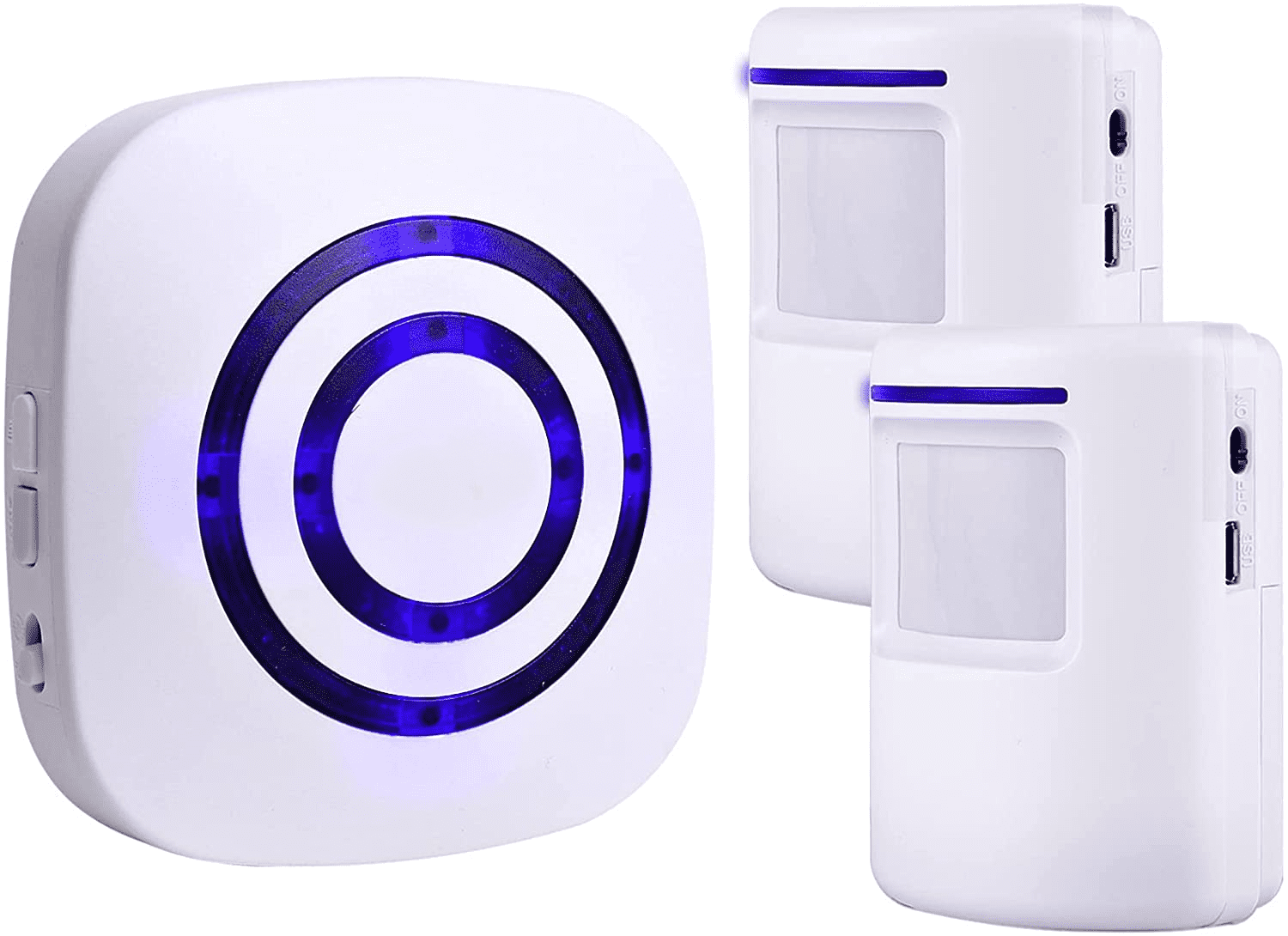
While the primary role of motion detectors in home security is to, well, detect intruders and sound an alarm, their capabilities often extend much further. They can be incredibly smart little helpers around the house. Ever walked into a dark room with your hands full, wishing the lights would just magically turn on? Many motion detectors can be linked to your smart lighting system to do exactly that! It's like your house is gently anticipating your needs, a silent butler turning on the lights as you arrive.
They can also play a vital role in energy efficiency. Imagine lights turning off automatically in rooms where no one has been for a while. Or your thermostat adjusting itself when it senses no one is home. It’s not just about protection; it's about a smarter, more responsive home that works with you.

The "Cool" Factor: Peace of Mind on Tap
Ultimately, what makes motion detector home security systems so compelling is the profound sense of peace of mind they offer. Knowing that your home is being silently monitored, that a clever bit of tech is constantly scanning for anything unusual, allows you to relax a little more, whether you're at work, on vacation, or simply tucked into bed.
And let's be honest, there's something inherently cool about knowing your living space is guarded by unseen forces, like a tiny, technologically advanced superhero perched in the corner. They're a quiet sentinel, ready to alert you the moment something is amiss, giving you control and confidence in the security of your sanctuary.
So, the next time you see one of those small, unassuming sensors in your friend's house or an office, give it a little nod of appreciation. It's doing more than just sitting there; it's part of a silent, vigilant network, making our lives a little safer, a little smarter, and a whole lot cooler.