
Most Efficient Temperature For Heating
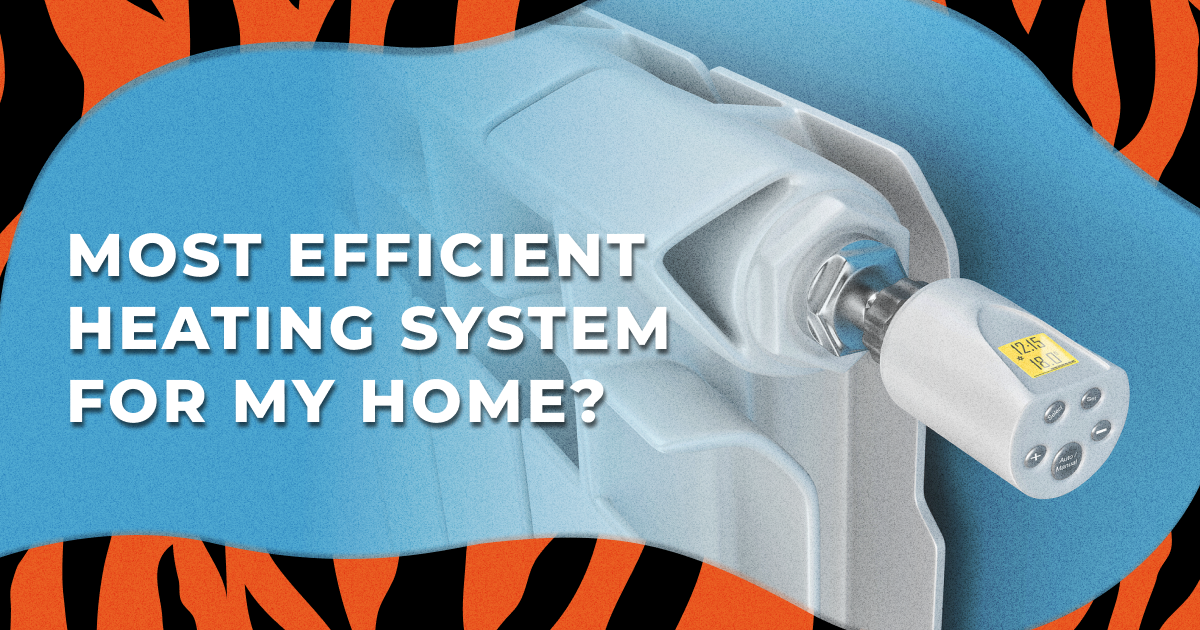
Alright, settle in, grab another coffee, because we need to talk about something crucial, something that often pits us against our own homes: the thermostat. Specifically, we're diving into the ridiculously fascinating, surprisingly contentious world of the most efficient temperature for heating. Trust me, it’s not as boring as it sounds. It’s a saga of human comfort, energy bills, and that eternal battle against the chill.
Picture this: It’s absolutely freezing outside. You walk into your house, shivering so hard you could probably generate electricity, and what's the first thing you do? You march straight to the thermostat and crank that baby up to 90 degrees, right? You want to turn your living room into a tropical paradise, a furnace capable of melting glaciers, in approximately three seconds flat. Am I right? Don’t lie, we’ve all been there. Your heating system groans, your wallet weeps, but for that glorious moment, you feel like a king.
The Great Heat Blast Myth
Here’s the thing, though. That glorious moment? It’s a delightful, yet costly, lie. Cranking your thermostat to simulate the surface of the sun actually does not heat your house any faster. Nope. Your furnace or heater is going to pump out heat at its maximum capacity regardless of whether you set it to 70 or 90. All you’re doing is telling it to keep pumping heat until it reaches that ridiculously high temperature, which it might never do, or only after you’ve already started shedding layers like a snake in summer.
Must Read
It’s like slamming the gas pedal to the floor in your car when you want to go 30 mph. You’ll hit 30 just as fast as if you pressed it gently, but you’ll waste a lot of fuel by trying to reach 100 mph afterward. The only difference is, your house doesn't have speed limits.
The Elusive Sweet Spot: 68 Degrees Fahrenheit (20°C)
So, if a blast furnace isn’t the answer, what is? Drumroll please... most energy experts, thermal engineers, and even your grandma (probably) agree: the sweet spot for efficiency and comfort when you're awake and at home is generally around 68 degrees Fahrenheit, or 20 degrees Celsius. Gasp! Only 68? Are they mad? Are they trying to turn us into human icicles?

No, my friends, they are trying to save you money and keep you comfortable. Here’s why it works: your home is constantly losing heat to the colder outside world. The bigger the temperature difference between inside and out, the faster your heat escapes. Maintaining a consistent, lower temperature means your heating system doesn't have to work as hard, or as often, to replace lost heat.
It’s about maintenance, not a mad dash to tropical climes. You're creating a gentle, steady warmth, rather than attempting to outsmart physics with brute force.
Your Perception vs. Reality (and a Sweater)
Now, I know what you’re thinking: "But 68 feels cold to me!" And that's where things get interesting. Our perception of warmth isn't just about the number on the thermostat. It’s influenced by a whole bunch of factors: humidity (dry air feels colder), drafts (those sneaky villains!), and even what you’re wearing. A comfy sweater, some fuzzy socks, and a warm mug of tea can make 68°F feel absolutely delightful.
In fact, for every degree you lower your thermostat during heating season, you can save roughly 1-3% on your heating bill. Think about that for a second. If you usually keep it at 72°F and drop it to 68°F, you could be saving 4-12%! That's like finding money in your couch, except you get to keep finding it every month.
Sleeping Like a Snow Leopard (and Saving More)
What about when you’re asleep? Well, guess what? You can drop it even lower! Most experts recommend setting your thermostat back 7-10 degrees Fahrenheit (about 4-6°C) from your daytime setting for 8 hours. So, if you're aiming for 68 during the day, try 58-61°F (14-16°C) at night.

Your body naturally cools down when you sleep, and a slightly cooler room can actually lead to better sleep. Plus, you’re usually bundled up under blankets anyway. You’re essentially turning yourself into a cozy, energy-saving burrito. During the day, if you’re out of the house for more than a couple of hours, consider dropping it back to that lower "sleeping" temperature too. No point heating an empty house, unless your cat is particularly demanding about its climate control.
The Magic of a Smart Thermostat
This is where technology really shines. Smart thermostats aren't just fancy gadgets; they're your personal energy-saving assistant. They learn your schedule, they can be controlled from your phone (so you can turn up the heat just before you get home, not when you walk in), and some even sense when you're not home and adjust automatically. It's like having a tiny, climate-conscious robot living on your wall.
No more forgetting to turn down the heat and returning to a house that feels like a sauna after a long day at work. No more screaming at your family for touching the sacred dial. The smart thermostat handles the drama, leaving you free to enjoy a consistently comfortable and efficient home.
Beyond the Thermostat: Your Home's Hug
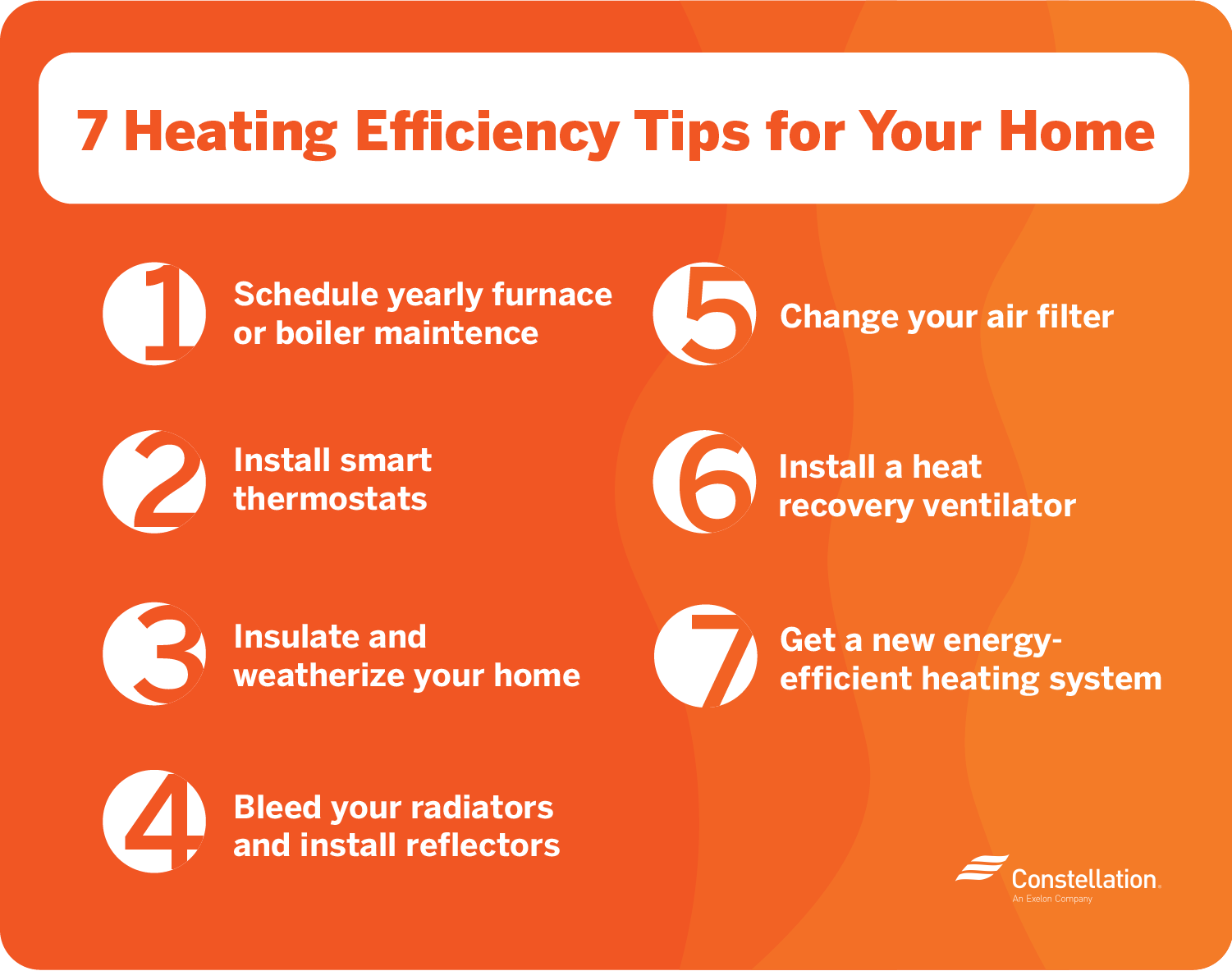
Of course, temperature isn't the only player in this game. Even the most perfectly set thermostat can only do so much if your home is leaking heat like a sieve. Think about insulation: it’s your house wearing a giant, warm coat. Sealing drafts around windows and doors? That’s like zipping up that coat. Don't forget to close vents in unused rooms and keep interior doors closed, so you're only heating the spaces you actually use. It’s called zone heating, and it’s surprisingly effective.
So, next time winter bites, resist the urge to turn your home into a molten lava pit. Aim for that sweet, sensible 68°F (20°C), grab a sweater, and embrace the power of consistency. Your wallet, the planet, and your comfort levels will thank you. You’ll be the envy of all your neighbors, not just for your sensible heating bill, but for having mastered the subtle art of the perfect indoor climate. Now, about that coffee refill...