Most Active Transport Proteins Use Energy From The Breakdown Of
.PNG)
Ever wonder how your body magically moves things around? I'm not talking about your latest Marie Kondo decluttering spree, but rather the intricate cellular logistics that keep you alive and kicking. It all boils down to tiny molecular machines called transport proteins. Think of them as the tireless delivery trucks of your cells, ferrying everything from sugars to amino acids across cell membranes.
These proteins are super important, ensuring that your cells receive all of the nutrients needed for the process and removing waste. But just like a real delivery service, these transport proteins need fuel. So, what powers these microscopic movers and shakers? Well, more often than not, the answer lies in the breakdown of something we all know and love (or at least need): ATP.
ATP: The Cellular Fuel of Champions
ATP, or adenosine triphosphate, is the universal energy currency of the cell. Think of it as a little rechargeable battery. It's packed with energy stored in its chemical bonds. When a cell needs to do work – like contracting a muscle, sending a nerve signal, or, you guessed it, transporting molecules – it breaks down ATP, releasing that stored energy. It's like popping the top on a Red Bull for your cells, except far more essential for survival.
Must Read
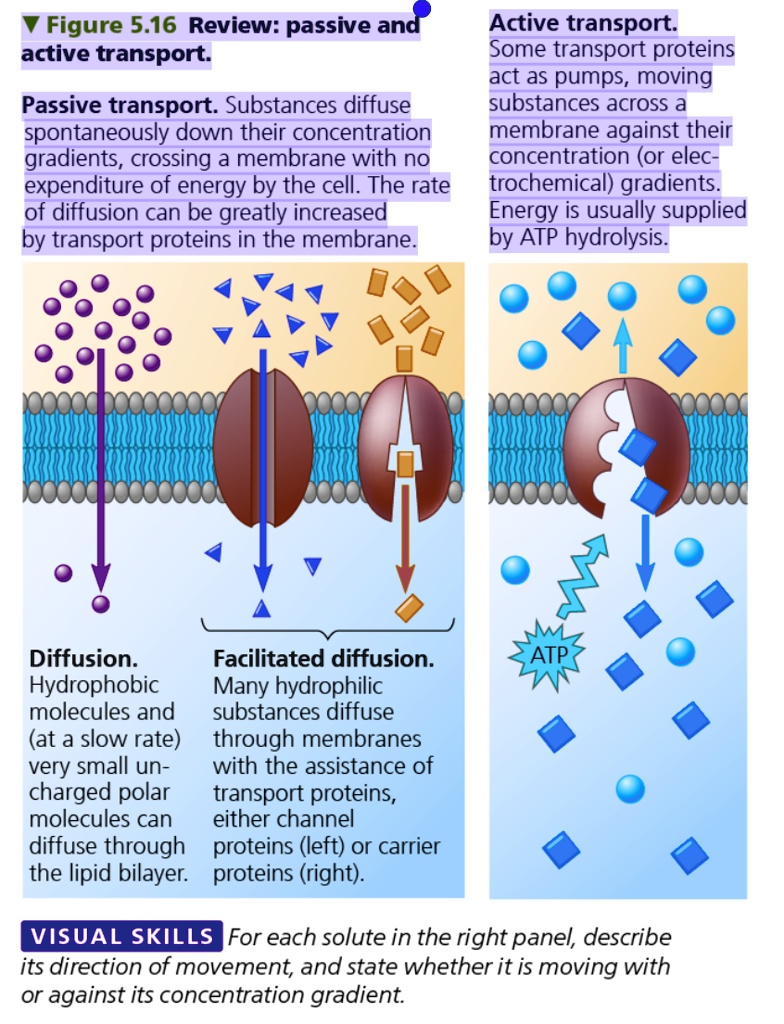
Most active transport proteins use the energy released from ATP hydrolysis (the breakdown of ATP by water) to power their conformational changes. These changes allow them to grab onto a molecule on one side of the cell membrane, shuttle it across, and then release it on the other side. This process goes against the concentration gradient (moving from low to high concentration), which is why it requires an energy boost.
Active Transport: Against the Flow
Imagine trying to push a shopping cart uphill – that's active transport. It needs a little 'oomph'. Passive transport, on the other hand, is like letting the shopping cart roll downhill – no energy required. Active transport is vital for maintaining the proper balance of substances inside and outside of cells. This balance is crucial for everything from nerve function to muscle contraction to kidney function.

There are two main types of active transport:
- Primary active transport: This is where the transport protein directly uses ATP to move a molecule. A classic example is the sodium-potassium pump, which is essential for maintaining the electrical gradient in nerve cells. Without it, our nervous system would be complete chaos.
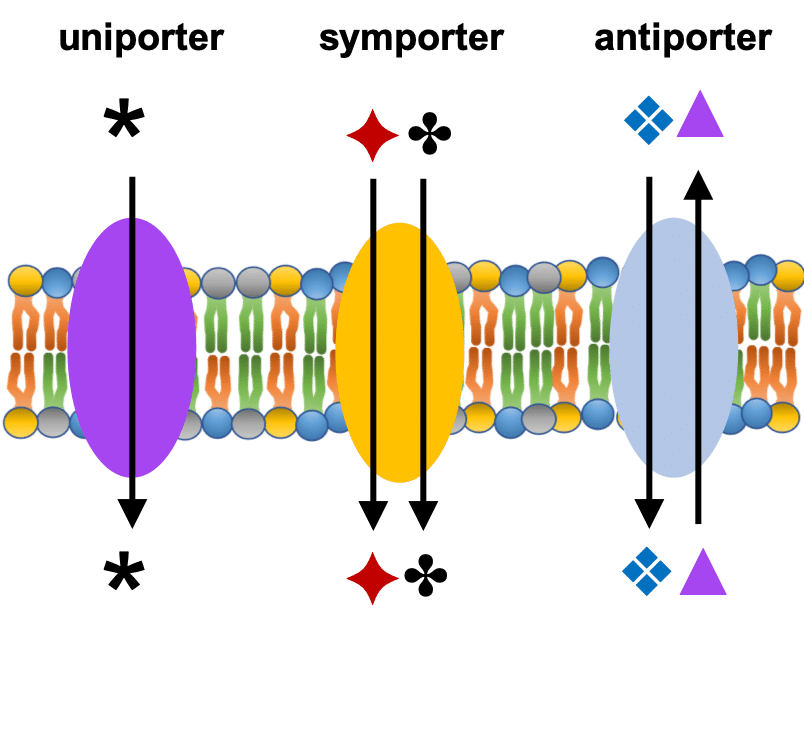
- Secondary active transport: This is where the transport protein uses the energy stored in an electrochemical gradient (created by primary active transport) to move another molecule. It's like using the momentum from one shopping cart rolling downhill to push another one uphill.
Beyond ATP: Other Energy Sources
While ATP is the star of the show, some transport proteins use other energy sources. For example, some bacterial transport systems use the energy from the movement of ions other than protons. But in the vast majority of cases, in our bodies, ATP is the key player.
Here's a fun fact: The average person cycles through their entire body weight in ATP every day. That's how much energy our cells need to function!
Practical Tips for Fueling Your Cellular Engines
Want to keep your cellular transport proteins humming along? Here are a few practical tips:

- Eat a balanced diet: Provide your body with the building blocks it needs to produce ATP. Think complex carbohydrates, healthy fats, and protein.
- Stay hydrated: Water is essential for ATP hydrolysis. Dehydration can slow down this process.
- Get enough sleep: Sleep is when your body repairs and replenishes its energy stores.
- Manage stress: Chronic stress can deplete your ATP reserves. Find healthy ways to manage stress, such as exercise, meditation, or spending time in nature.
Think of your body as a finely tuned machine, and ATP as the premium fuel that keeps it running smoothly. Just like you wouldn't put cheap gas in a Ferrari, you need to fuel your body with the right nutrients to support optimal cellular function.
Consider this next time you’re feeling sluggish. Are you giving your body enough of the right kind of fuel? You might just need a little ATP boost!
In a world obsessed with optimization and efficiency, understanding the fundamental processes that power our cells gives us a deeper appreciation for the intricate beauty of life itself. So, go ahead, fuel your cellular engines and embrace the power of ATP!