Monocrystalline Solar Cells Vs Polycrystalline
Ever gazed at the sun and thought, "Wow, what if I could capture that sheer, unadulterated power and put it to work for me?" Well, guess what? You can! Solar energy isn't just for sci-fi movies or remote cabins anymore. It's an increasingly popular, incredibly smart way for everyday folks to tap into the ultimate free energy source. People are embracing solar not just to save a buck – though that's a huge perk – but also to feel genuinely good about their impact on the planet. It’s like having a superpower, but instead of flying, you’re just effortlessly powering your toaster with sunshine!
The benefits? Oh, where to begin! Imagine a future where your electricity bill is a friendly whisper rather than a shouting match. Solar panels mean energy independence, reducing your reliance on volatile grid prices. More importantly, every ray of sunshine you convert into power means fewer fossil fuels burned, less carbon in the atmosphere, and a healthier planet for everyone. It's a tangible, visible step towards a greener, cleaner future, right from your own rooftop.
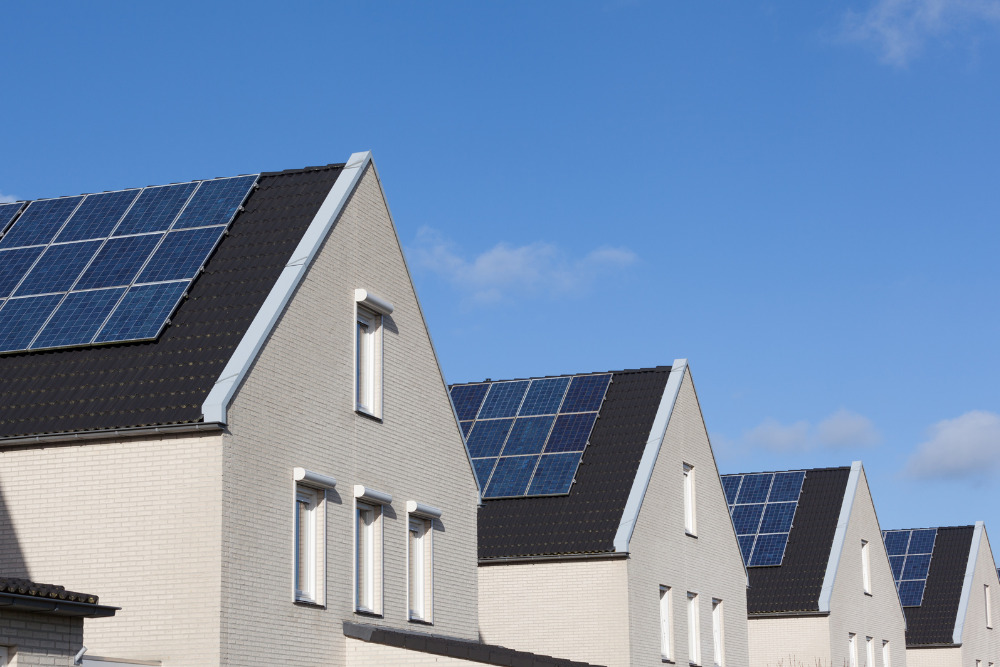
You see solar everywhere these days, often without even realizing it. From the sleek panels adorning suburban homes, silently churning out watts, to portable chargers keeping your phone alive on a camping trip, or even massive solar farms stretching across arid landscapes, solar technology is woven into our modern tapestry. But when you start thinking about getting your own slice of the sun pie, you'll inevitably bump into two main contenders: Monocrystalline and Polycrystalline solar cells. It’s like choosing between two delicious types of pizza – both are great, but one might just be perfect for your particular craving.
Must Read
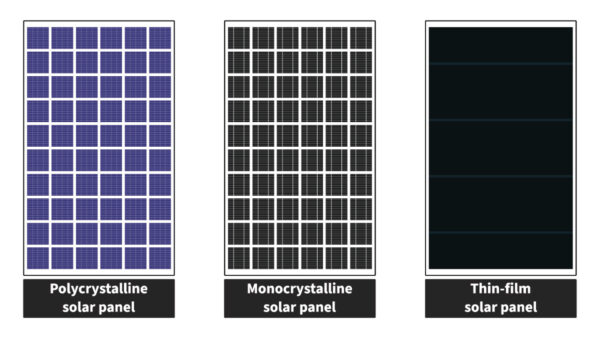
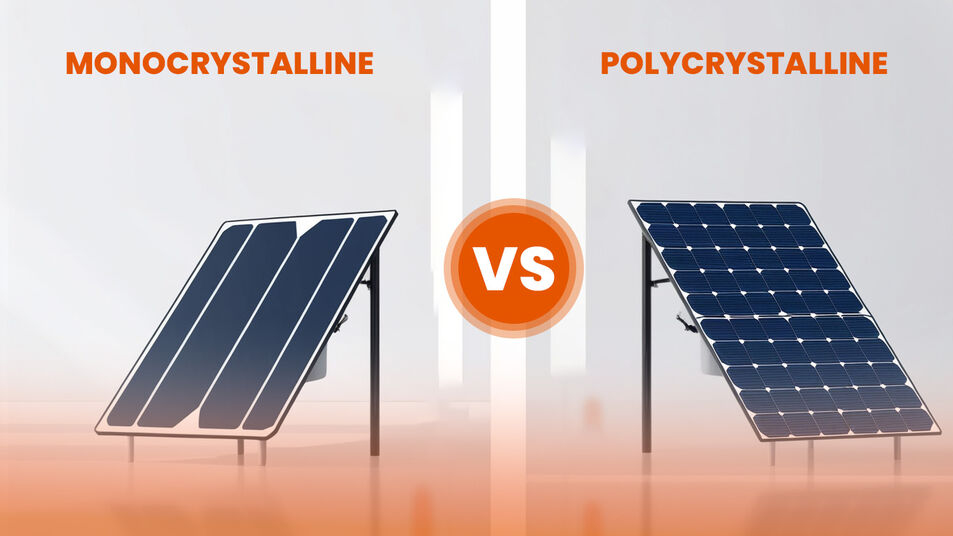
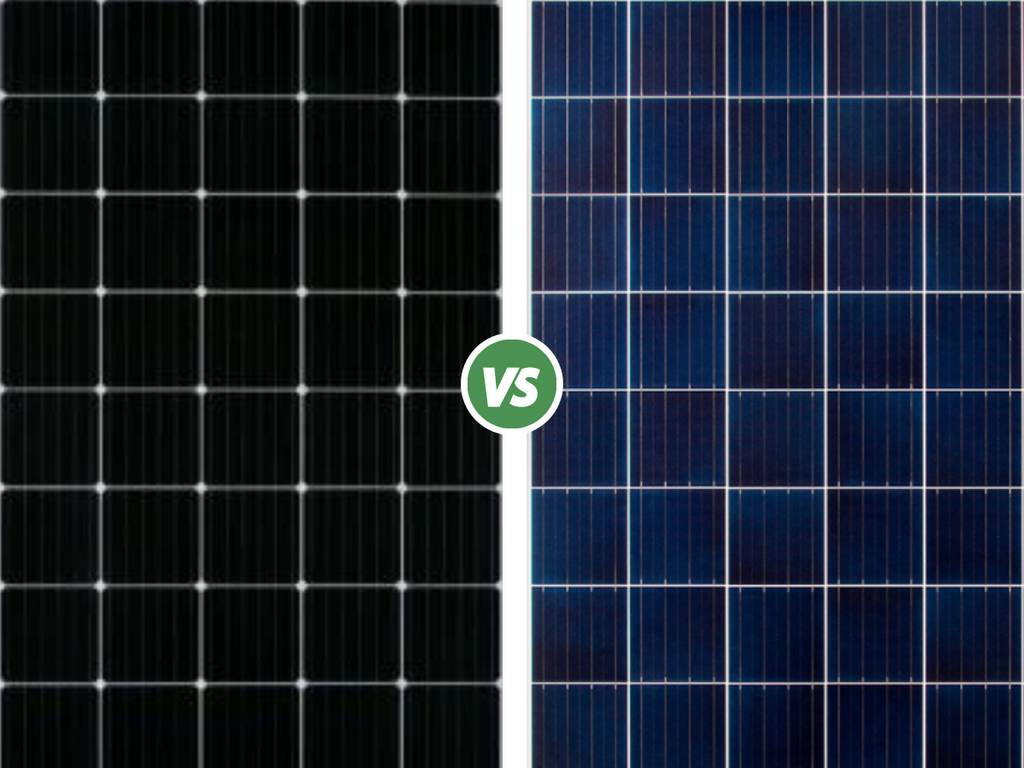
Let's dive into the nitty-gritty. Think of Monocrystalline panels as the sleek, dark, high-fashion models of the solar world. They're made from a single, pure crystal of silicon, which gives them a uniform look and makes them incredibly efficient at converting sunlight into electricity. This means they can generate more power from a smaller footprint, making them ideal if you have limited roof space or want that clean, sophisticated aesthetic. They often perform a bit better in low-light conditions too, squeezing out those last drops of energy on cloudy days.

Then we have Polycrystalline panels, the rugged, reliable workhorses. These panels are made from multiple silicon crystals melted together, giving them a slightly speckled, bluish appearance. While they're generally a little less efficient than their monocrystalline cousins, they come with a significant advantage: cost-effectiveness. Because their manufacturing process is simpler, they're typically more budget-friendly upfront. If you have plenty of roof space and want maximum bang for your buck without obsessing over peak efficiency, polycrystalline panels are a fantastic, dependable choice.
So, how do you choose? It boils down to your priorities. If space is at a premium and you want the highest efficiency and a premium look, go mono. If you’re looking for a more budget-friendly entry point into solar and have ample roof space, poly will serve you beautifully. Either way, you're investing in a brighter, more sustainable future, literally harnessing the power of the sun. The best tip to enjoy solar effectively? Understand your needs, consult with a reputable installer, and then sit back and watch your meter spin backwards!