
Melatonin For Dogs Pets At Home

Hey there, fellow pet lovers! Ever find yourself staring at your furry friend, wondering if they’re just as wired as you are at 2 AM? We've all been there. And lately, I've been digging into something that might just be a game-changer for those restless nights (for them, not you... hopefully!). Let's talk melatonin for dogs – specifically, what's the buzz at Pets at Home?
Now, before we dive in, let's be clear: I'm not a vet! This isn't a substitute for professional advice. Always chat with your vet before giving your dog anything new, okay? Cool. With that out of the way, let’s get to it!
What Exactly IS Melatonin Anyway?
Melatonin. It sounds like something from a sci-fi movie, right? But it’s actually a naturally occurring hormone that both you and your dog produce. Think of it as the body's little internal clock. It helps regulate sleep-wake cycles, telling your brain, "Hey, it's dark, time to chill!"
Must Read
Ever noticed how you feel more tired when it gets dark earlier in the winter? Blame melatonin! It's like the opposite of caffeine – the body's natural "unwind" button.
Why All the Hype for Dogs?
So, why are people even considering melatonin for their dogs? Well, just like us, dogs can experience sleep disturbances, anxiety, and even certain health conditions that affect their sleep patterns. Think of it like this: a dog with anxiety is like a race car engine constantly revving. Melatonin might help them idle a little smoother.

Here are a few common reasons people consider using melatonin for their pups:
- Anxiety: Fireworks? Thunderstorms? Separation anxiety? Melatonin might help calm those jitters.
- Sleep Issues: Is your dog pacing all night? Restless? Melatonin could potentially help regulate their sleep.
- Cushing's Disease: Some vets use melatonin as part of a treatment plan for this condition.
- Alopecia X: This skin condition can cause hair loss. Melatonin is sometimes used as a treatment.
But remember, these are potential benefits. Every dog is different, and what works for one might not work for another.

Pets at Home and Melatonin: What's the Deal?
Now, you might be wondering, "Okay, this sounds interesting, but can I just pop down to Pets at Home and grab some melatonin for Fido?" Well, the situation is a little nuanced. Pets at Home typically carries a range of calming aids and supplements, and their stock can vary, so it's best to check their website or pop into your local store.
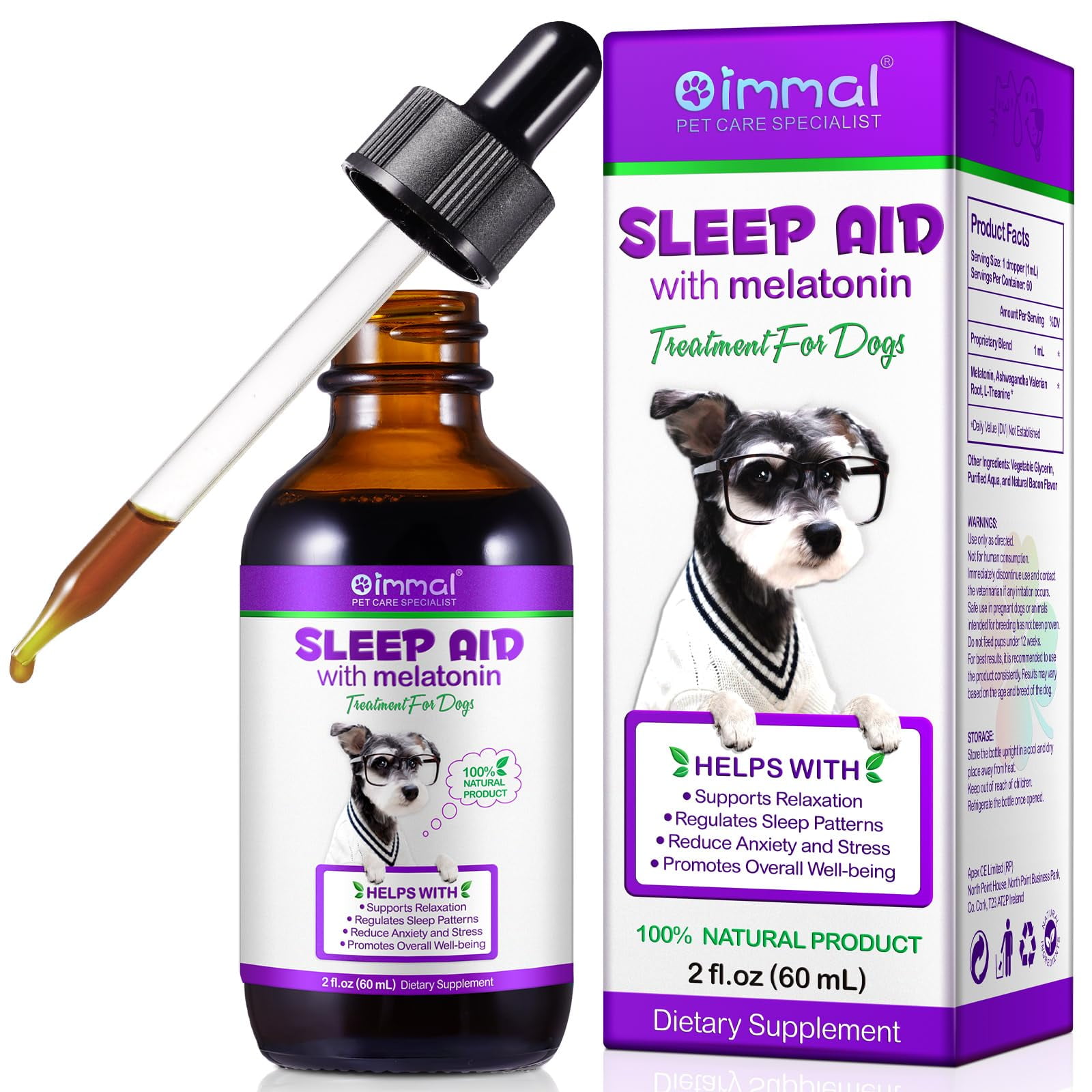
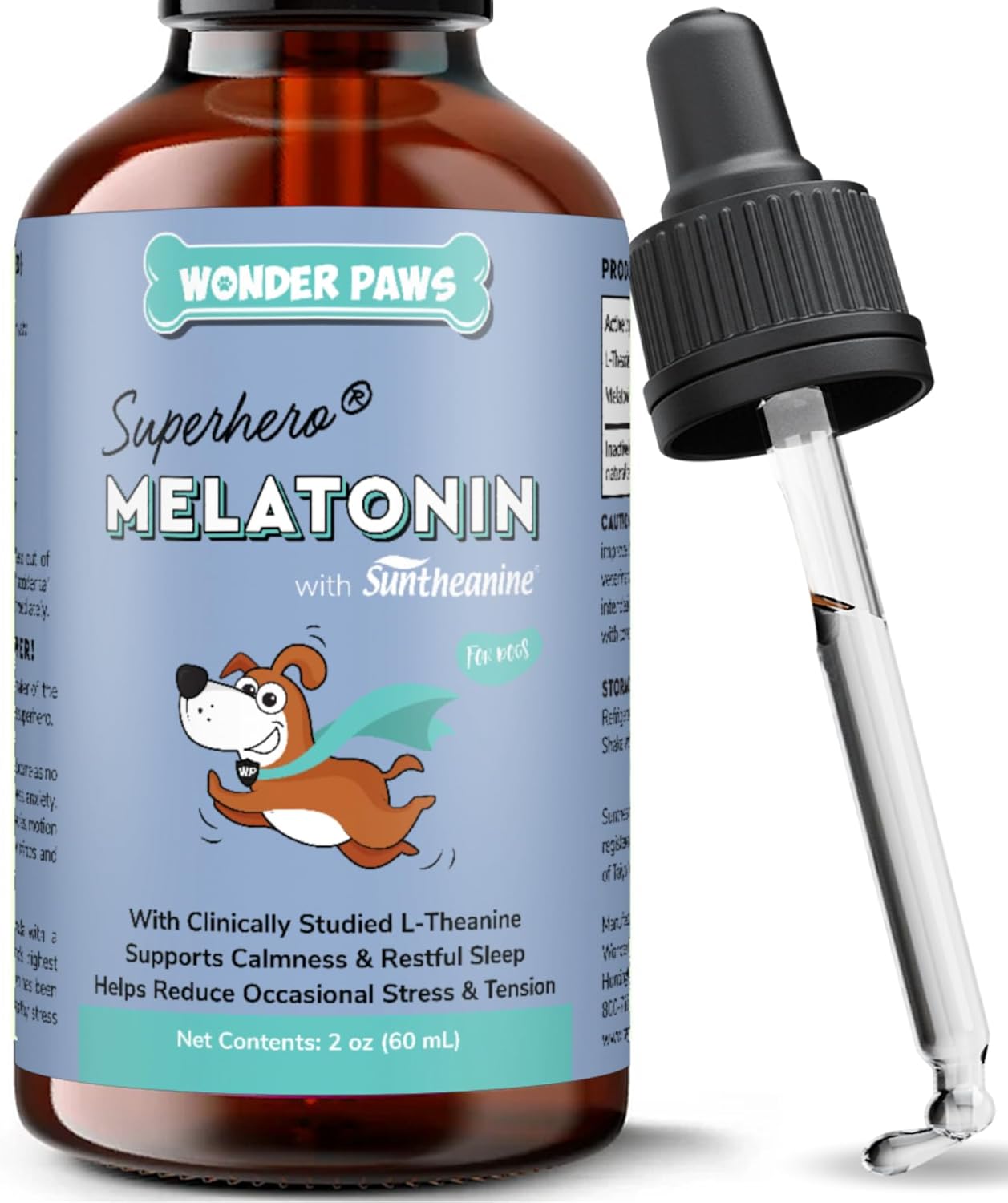
Keep an eye out for products with melatonin as an ingredient. Often, it's combined with other calming herbs and nutrients, like chamomile or L-Theanine. It's always a good idea to carefully read the labels and understand what you're giving your dog.
Important Considerations (Seriously, Read This!)
Okay, folks, this is the super important part. Before you even think about giving your dog melatonin, remember these key points:
- Talk to Your Vet! I can’t stress this enough. Your vet knows your dog's health history and can advise you on the best course of action.
- Dosage is Key: Never guess! Your vet will help you determine the appropriate dosage for your dog's size and condition.
- Potential Side Effects: While generally considered safe, melatonin can have side effects, like drowsiness, increased heart rate, and changes in fertility.
- Not a Cure-All: Melatonin isn't a magic bullet. It might help with certain issues, but it's not a substitute for proper training, behavior modification, or addressing underlying health problems.
Think of it like this: Melatonin is like training wheels. It might help your dog navigate a bumpy road, but it's not going to teach them how to ride a bike on their own. You still need to address the root cause of the problem.
Alternatives to Melatonin: Explore Your Options
Before jumping straight to melatonin, consider exploring other options for calming your dog:
- Training and Behavior Modification: Address the underlying cause of anxiety or sleep problems.
- Environmental Enrichment: Provide plenty of toys, exercise, and mental stimulation. A tired dog is a good dog!
- Calming Products: Pheromone diffusers (like Adaptil) can help create a calming environment.
- Diet Changes: Sometimes, diet can play a role in anxiety or hyperactivity.
It's like choosing the right tool for the job. Sometimes, a simple walk in the park is more effective than a supplement!
Final Thoughts: Is Melatonin Right for Your Dog?
So, is melatonin the answer to your dog's restless nights or anxious days? Maybe. Maybe not. The key is to do your research, talk to your vet, and consider all the options. Remember, your furry friend's well-being is the top priority! Approach this with careful consideration, and your dog will thank you (probably with sloppy kisses!).
Happy (and hopefully peaceful) dog parenting!