
List The Barriers To Communication
Ever tried explaining to your cat that you really need to work, and therefore, a keyboard isn't a comfy napping spot? Welcome to the wonderful world of communication barriers!
Decoding the "Huh?" Moments
We all face those moments where our message just doesn't land. It's like trying to order a coffee in a foreign country with only charades skills.
Language Limbo
Obviously, if you're speaking Klingon and the other person only understands English, you're in trouble. But language barriers aren't always about different languages.
Must Read
Think about the difference between how a teenager talks to their friends versus their grandparents. Jargon, slang, and technical terms can all create a wall. My grandmother once asked me what "LOL" meant. Explaining that one was... an adventure.
Emotional Echo Chamber
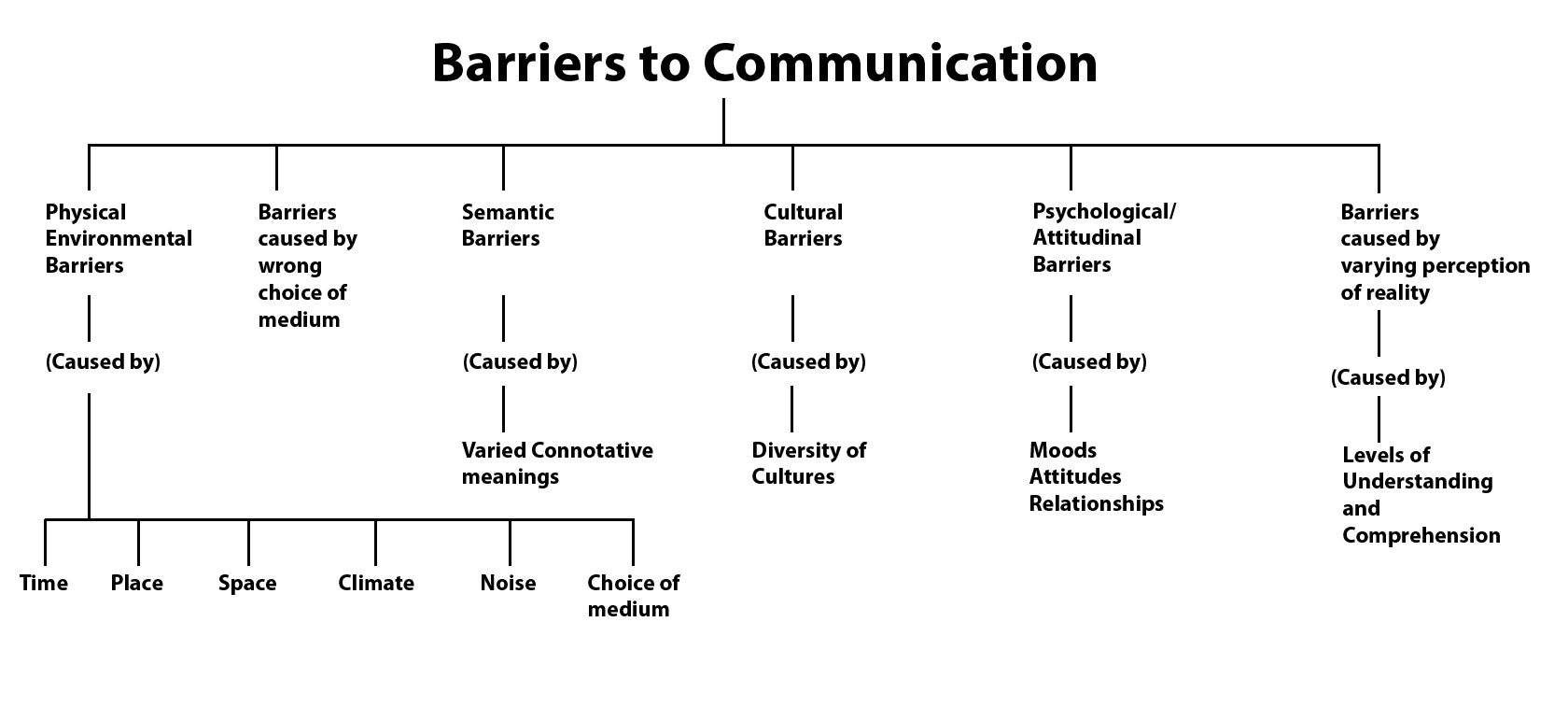
Imagine trying to have a calm discussion while you're feeling furious, or the other person is incredibly anxious. Emotions are powerful things. They can totally cloud our judgment and distort our message.
I once tried to explain to my roommate that I accidentally shrunk her favorite sweater while I was practically in tears. It didn't go well.
The Noise Next Door (and Everywhere Else)
Physical noise is a classic communication killer. Trying to have a serious conversation at a rock concert? Good luck!
But noise isn't always about sound. It's anything that distracts us, like a buzzing phone, a flashing screen, or even a room that's too hot or too cold.
Culture Clash
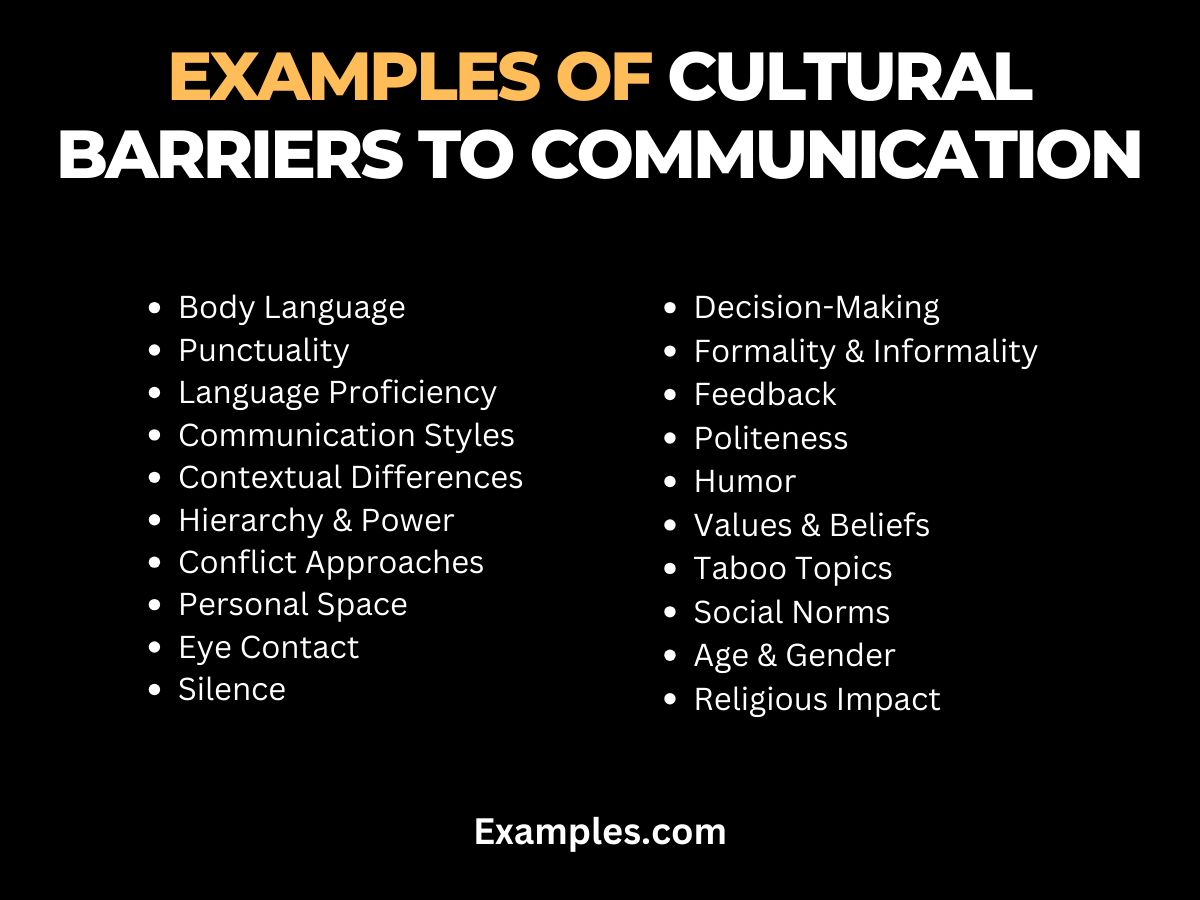
Culture plays a huge role in how we communicate. What's considered polite in one culture might be offensive in another.
Eye contact, personal space, and even the way we express emotions can all vary widely. Travel the world, and you'll quickly learn to be a communication chameleon!
Assumptions Gone Wild
We all make assumptions, it's human nature. But when we assume the other person knows what we're thinking, or shares our perspective, things can go wrong quickly.
It's like that time I assumed my husband knew I wanted flowers for my birthday. He got me a new vacuum cleaner. Bless his heart. We had a very polite, but pointed discussion after that.
Information Overload
In today's world, we're constantly bombarded with information. It's easy to get overwhelmed and tune out.

Think about those endless meetings where you just zone out after the first five minutes. Sometimes, less is definitely more.
Filtering Follies
Sometimes we filter what we say, either consciously or unconsciously. We might hold back information to protect someone's feelings, or to avoid conflict.
While sometimes this is necessary, too much filtering can lead to misunderstandings and a lack of transparency. It's a delicate balance.
Perception Predicaments
We all see the world through our own unique lens, shaped by our experiences, beliefs, and values. This can lead to very different interpretations of the same message.
Ever argued with someone about a movie, each of you convinced you saw something completely different? That's perception at play.

Attitude Adjustments (Needed!)
Our attitude can have a big impact on how we communicate. If we're defensive, judgmental, or dismissive, it's going to be hard to have a productive conversation.
A little empathy and open-mindedness can go a long way. Try putting yourself in the other person's shoes.
The Generation Gap
Each generation has its own communication style, influenced by technology, social norms, and cultural trends.
Explaining TikTok to my parents is a communication barrier olympic sport. But it's also quite funny.
Disabilities and Differences
Communication barriers can arise from disabilities like hearing loss, visual impairments, or speech impediments. Also neurodiversity can create communication barriers.
Creating inclusive communication strategies ensures that everyone has the opportunity to participate and be heard. Learning to use sign language, providing written materials, or simply being patient and understanding can make a world of difference.
Breaking Down the Walls
So, how do we overcome these communication barriers? It's not always easy, but here are a few tips:
- Listen actively: Pay attention to what the other person is saying, both verbally and nonverbally.
- Ask clarifying questions: Don't be afraid to ask for clarification if you're not sure you understand.
- Be mindful of your tone and body language: Nonverbal cues can be just as important as words.
- Choose the right time and place: Find a quiet, comfortable setting where you can both focus.
- Be empathetic: Try to see things from the other person's perspective.
Remember, communication is a two-way street. It requires effort, understanding, and a willingness to connect. And sometimes, a good sense of humor.
Ultimately, overcoming communication barriers is about building bridges, not walls. It's about creating a world where everyone feels heard, understood, and valued. Even if you do have to explain "LOL" to your grandmother.
Next time you are communicating with others, remember the barriers to communication and try to think how to overcome them.
Good luck! And may your conversations be filled with clarity, connection, and maybe just a little bit of laughter.