
List Of Ethical Issues In The Workplace
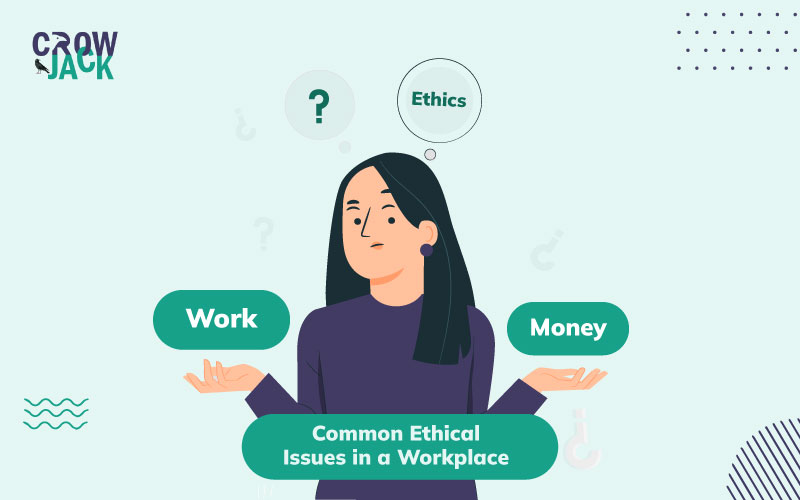
Ever wonder what happens behind the office doors (besides endless meetings and the mystery of the disappearing coffee)? Turns out, workplaces are a breeding ground for ethical dilemmas. It's not always dramatic movie scenes, though. Sometimes, it's surprisingly relatable (and occasionally, laugh-out-loud funny).
The Case of the "Borrowed" Pens (and More!)
Let's start with the basics. Remember borrowing that pen from work and accidentally taking it home? That's a tiny ethical blip. Think of it as the gateway drug to bigger, bolder ethical… shall we say, "adventures."
But what about the bigger stuff? Like, say, fudging expense reports. Or maybe playing favorites when it comes to promotions.
Must Read
Expense Account Shenanigans: The "Business" Lunch That Wasn't
Oh, expense reports. A treasure trove of potential ethical pitfalls! Imagine a colleague, let's call him Bob, claiming a lavish "business lunch" to impress a client. Except, the client was actually his buddy, and the business discussed was the upcoming fantasy football draft.
Ethical? Nope. Hilariously tempting? Maybe a little. The temptation to inflate those receipts can be strong, but it's a slippery slope, folks. Think twice before claiming that triple-chocolate sundae as a necessary business expense.
The Promotion Puzzle: Favoritism vs. Fairness
Ah, promotions. The ultimate workplace power struggle. Ever witnessed someone get promoted who seemed… less deserving? That's often where the ethical rubber meets the road.
Maybe the boss is playing favorites, rewarding loyalty over actual competence. Or maybe there's unconscious bias at play, favoring certain demographics over others. It's a complex issue with no easy answers, but fairness should always be the guiding star.
Secrets and Lies (and Office Gossip!)
Workplaces are notorious for secrets. From confidential projects to juicy office gossip, information is currency. But how we handle that information is where ethics come into play.
Imagine stumbling upon sensitive information about a colleague’s performance. Do you share it with your office bestie over coffee? Or do you keep it confidential, respecting their privacy?
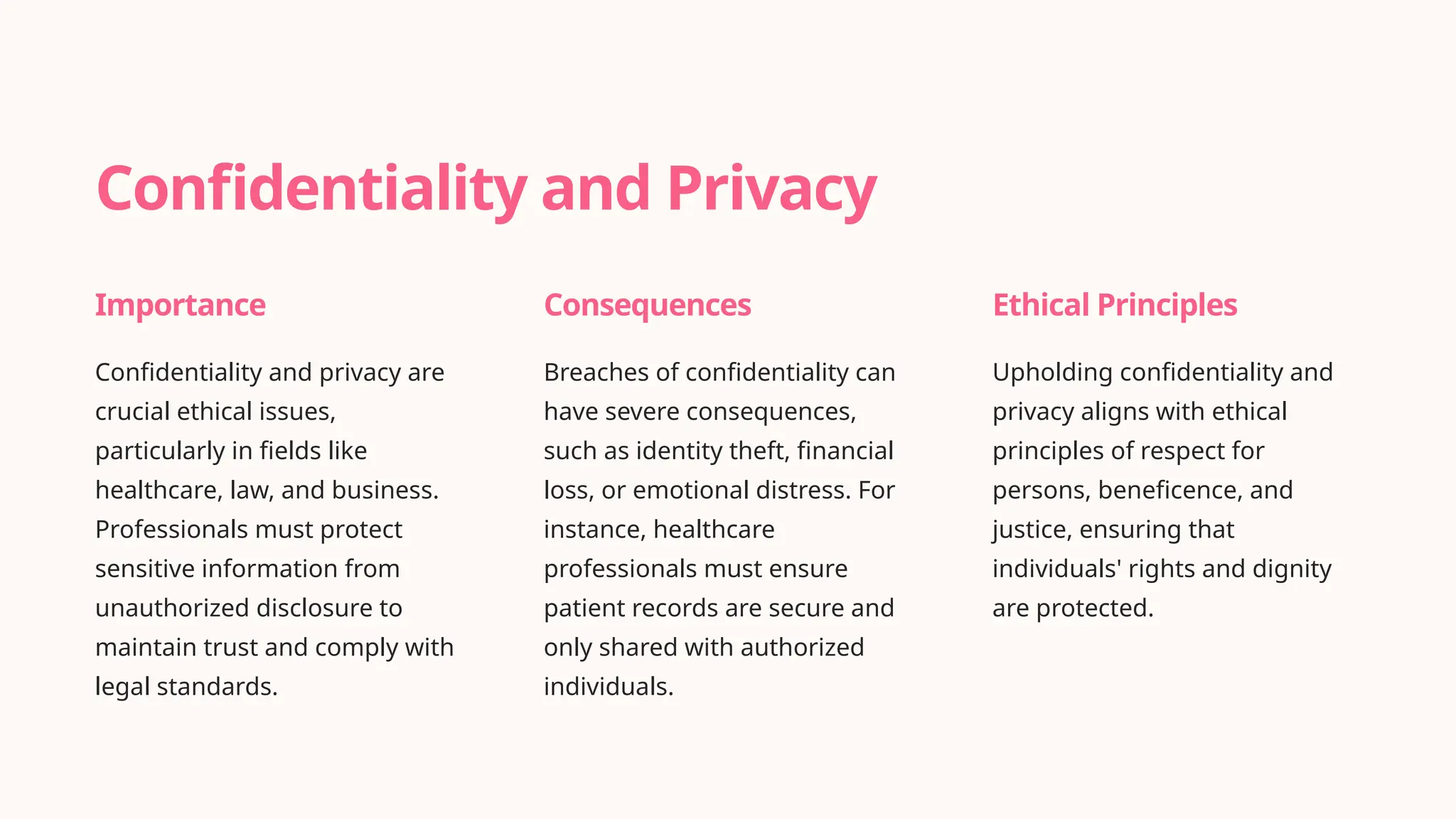
Confidentiality Conundrums: Loose Lips Sink Ships (and Careers!)
Keeping secrets isn't always easy, especially when the office grapevine is buzzing. But confidentiality is crucial for building trust and maintaining a professional environment.
Sharing confidential information, even with good intentions, can have serious consequences. Think damaged reputations, lost trust, and even legal repercussions. So, when in doubt, err on the side of silence.
Gossip Gone Wild: The Perils of the Water Cooler
Office gossip. We all indulge in it occasionally, right? But gossip can quickly turn toxic, spreading rumors and damaging reputations. Remember, words have power.
Before you share that juicy tidbit about a colleague’s personal life, ask yourself: is it true? Is it necessary? Is it kind? If the answer to any of these questions is no, keep it to yourself.
Discrimination and Harassment: No Laughing Matter
Now, let's get serious. Discrimination and harassment are never okay. These are serious ethical breaches with devastating consequences for individuals and organizations.
It's crucial to create a workplace where everyone feels safe, respected, and valued. That means actively combating discrimination and harassment in all its forms.
The Unconscious Bias Monster: Recognizing Our Hidden Prejudices
We all have biases, whether we realize it or not. Unconscious biases can influence our decisions, leading to unfair treatment of certain individuals or groups.
The first step in combating unconscious bias is recognizing that it exists. Educate yourself about different types of biases and actively challenge your own assumptions. Simple things like paying attention to language used in job descriptions and interview panels can help.
Harassment Havoc: Creating a Culture of Respect
Harassment, whether it's sexual, racial, or any other form, is unacceptable. It creates a hostile work environment and can have long-lasting psychological effects.
Organizations must have clear policies against harassment and provide training to employees on how to recognize and prevent it. Reporting mechanisms should be easily accessible and investigations should be thorough and impartial. Every member of the team has a part to play in creating a respectful environment.
Conflicts of Interest: When Loyalty Is Divided
Conflicts of interest arise when our personal interests clash with our professional responsibilities. This can create tricky ethical situations, testing our loyalty and integrity.
Imagine a scenario where a manager is dating a subordinate. This creates a clear conflict of interest, potentially affecting decisions about promotions, raises, and performance evaluations.
The Dating Dilemma: Love and the Workplace
Office romances can be tricky. While they're not always unethical, they can create conflicts of interest if not managed properly.
Transparency is key. Disclosing the relationship to HR can help mitigate potential conflicts and ensure that decisions are made fairly. Setting boundaries is also crucial to maintain professionalism and avoid any perception of favoritism.
The Moonlighting Mayhem: Side Hustles and Secret Agendas
Having a side hustle is becoming increasingly common. However, it can create ethical dilemmas if the side business competes with your employer or uses company resources.
It's essential to be transparent with your employer about any outside business activities. Make sure your side hustle doesn't violate any company policies or create a conflict of interest. Don't use company time or resources for your personal ventures.
Sustainability and Social Responsibility: Doing Good While Doing Business
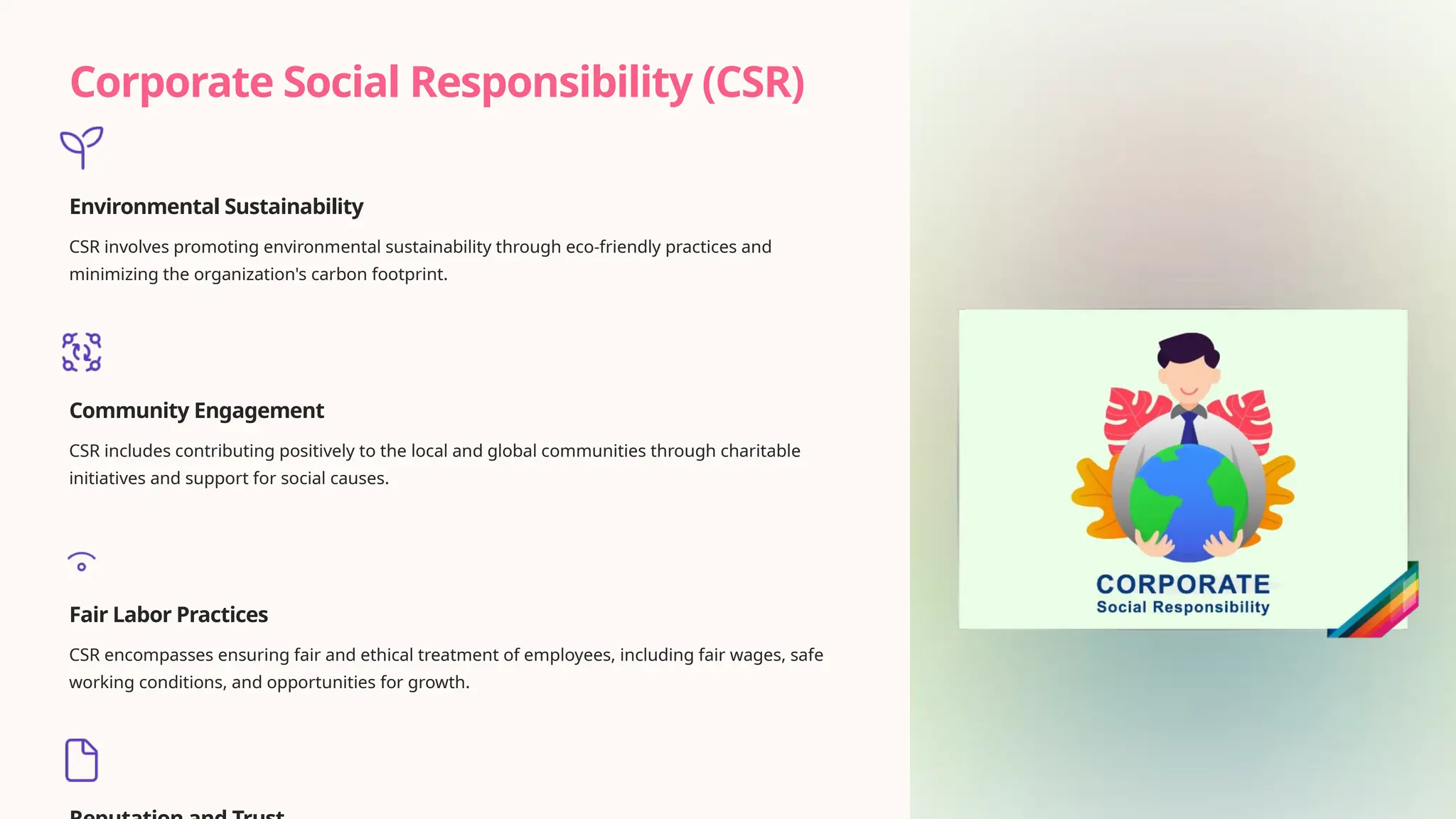
Ethical considerations extend beyond the workplace to encompass a company's impact on society and the environment. Sustainability and social responsibility are increasingly important for businesses.
Companies are expected to operate in an ethical and environmentally responsible manner. This includes reducing their carbon footprint, promoting fair labor practices, and supporting local communities.
Greenwashing Games: The Illusion of Sustainability
Greenwashing is the practice of exaggerating or falsely claiming environmental benefits. It's unethical and misleading to consumers.
Be wary of companies that make vague or unsubstantiated claims about their sustainability efforts. Look for concrete evidence and certifications to support their claims. Consumers have the power to hold companies accountable for their environmental impact.
Fair Trade Follies: Ensuring Ethical Sourcing
Fair trade is a system that ensures producers in developing countries receive fair prices for their goods. It's an ethical way to support sustainable development and improve the lives of farmers and workers.
Look for fair trade certifications when purchasing products like coffee, chocolate, and clothing. Supporting fair trade helps ensure that producers are treated fairly and that their communities benefit from their labor. This adds a human element in a market often dominated by purely economic factors.
The Power of Ethical Leadership: Setting the Tone from the Top
Ethical behavior starts at the top. Leaders play a crucial role in shaping the ethical culture of an organization.
When leaders prioritize ethics, it sends a clear message to employees that integrity matters. This creates a culture of trust and accountability, where ethical behavior is rewarded and unethical behavior is discouraged.
Walking the Talk: Leading by Example
Leaders must lead by example. They can't just talk about ethics; they must demonstrate ethical behavior in their own actions.
Employees are more likely to behave ethically when they see their leaders doing the same. This includes being honest, transparent, and fair in their dealings with employees, customers, and stakeholders.
Creating a Culture of Open Communication: Encouraging Ethical Whistleblowing
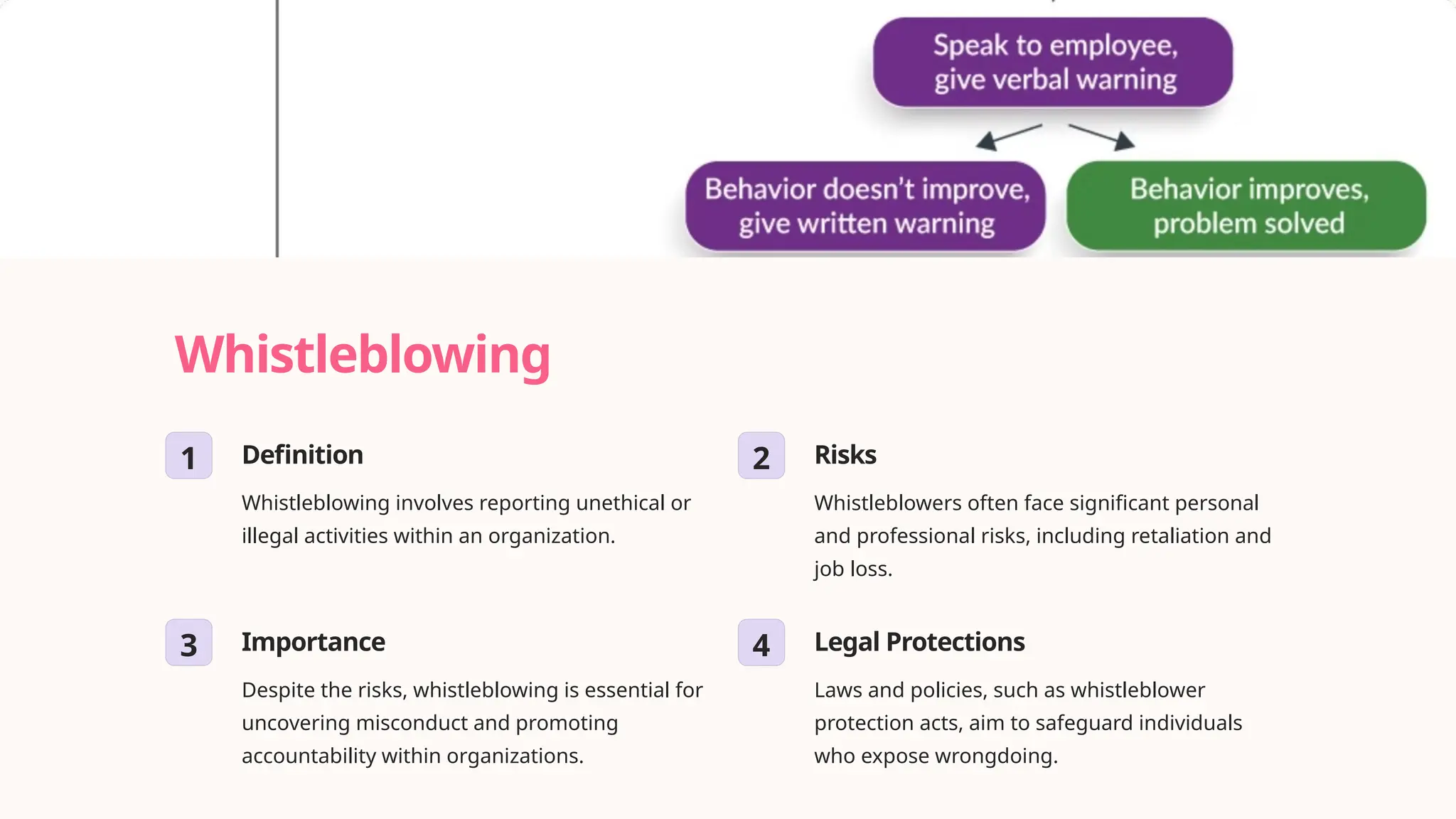
Employees should feel comfortable speaking up about ethical concerns without fear of retaliation. This requires creating a culture of open communication and psychological safety.
Organizations should have clear reporting mechanisms for ethical violations and protect whistleblowers from retaliation. This encourages employees to come forward with concerns and helps prevent unethical behavior from going unchecked. It all boils down to trust, that everyone in the team can rely on each other for the right thing to do.
So, the next time you're at work, take a moment to consider the ethical implications of your actions. It might not always be easy, but doing the right thing is always worth it. And who knows, you might even avoid becoming the subject of the next office gossip session!