
Lewis Structure Of C2h5cl
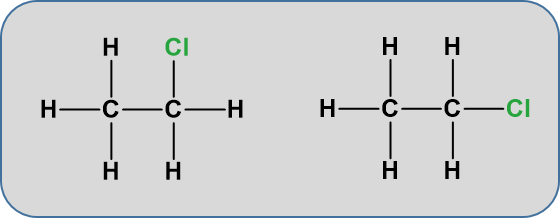
Hey there, chemistry chum! Ever stared at a molecule like C2H5Cl and thought, "Okay, buddy, what's the real story here?" Well, you're in the right place! We're about to crack the code of the Lewis structure for chloroethane, and trust me, it's way less scary than it sounds. In fact, it's kind of like playing molecular connect-the-dots. Except with way cooler atoms.
First, Let's Meet Our Players: The Atoms!
We've got a party of atoms in C2H5Cl: Two carbons (C), five hydrogens (H), and one chlorine (Cl). Each of these brings its own special talent to the structural party. Specifically, we need to know their valence electrons! Think of valence electrons as the number of friends each atom can hold hands with.
Quick reminder:
Must Read
- Carbon (C): 4 valence electrons (it wants to make four bonds!)
- Hydrogen (H): 1 valence electron (the social butterfly of bonding – always content with just one bond!)
- Chlorine (Cl): 7 valence electrons (a bit shy, but eager to share… seven of them!)
So, in total, we've got (2 x 4) + (5 x 1) + (1 x 7) = 8 + 5 + 7 = 20 valence electrons to play with. This is our electron budget for the whole molecule. Don’t go overspending, or your molecule won't balance!
Time to Connect the Dots: Building the Skeleton
Carbon loves to be the backbone of organic molecules, so let's put our two carbons next to each other and form a single bond. Carbon-carbon bonds are like the foundation of a house... a really tiny house.
C – C
Now, let's sprinkle the hydrogens around our carbons. Remember, each hydrogen only wants one bond, so it's pretty straightforward.
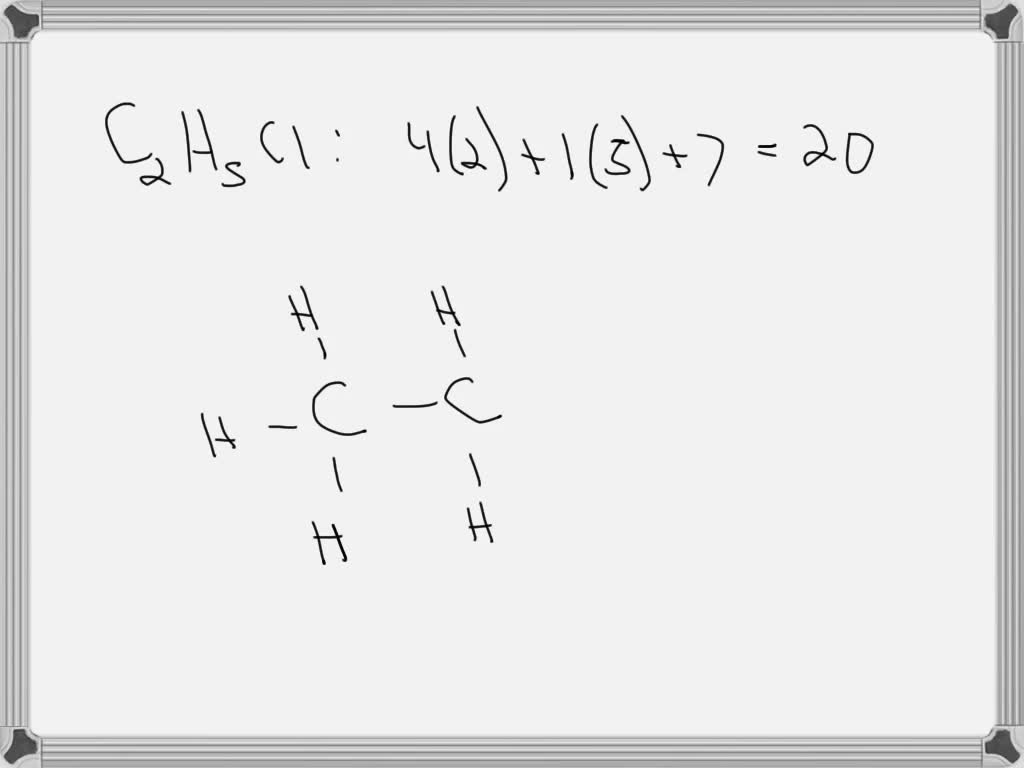
H H H | | | H – C – C – H | | | H H H
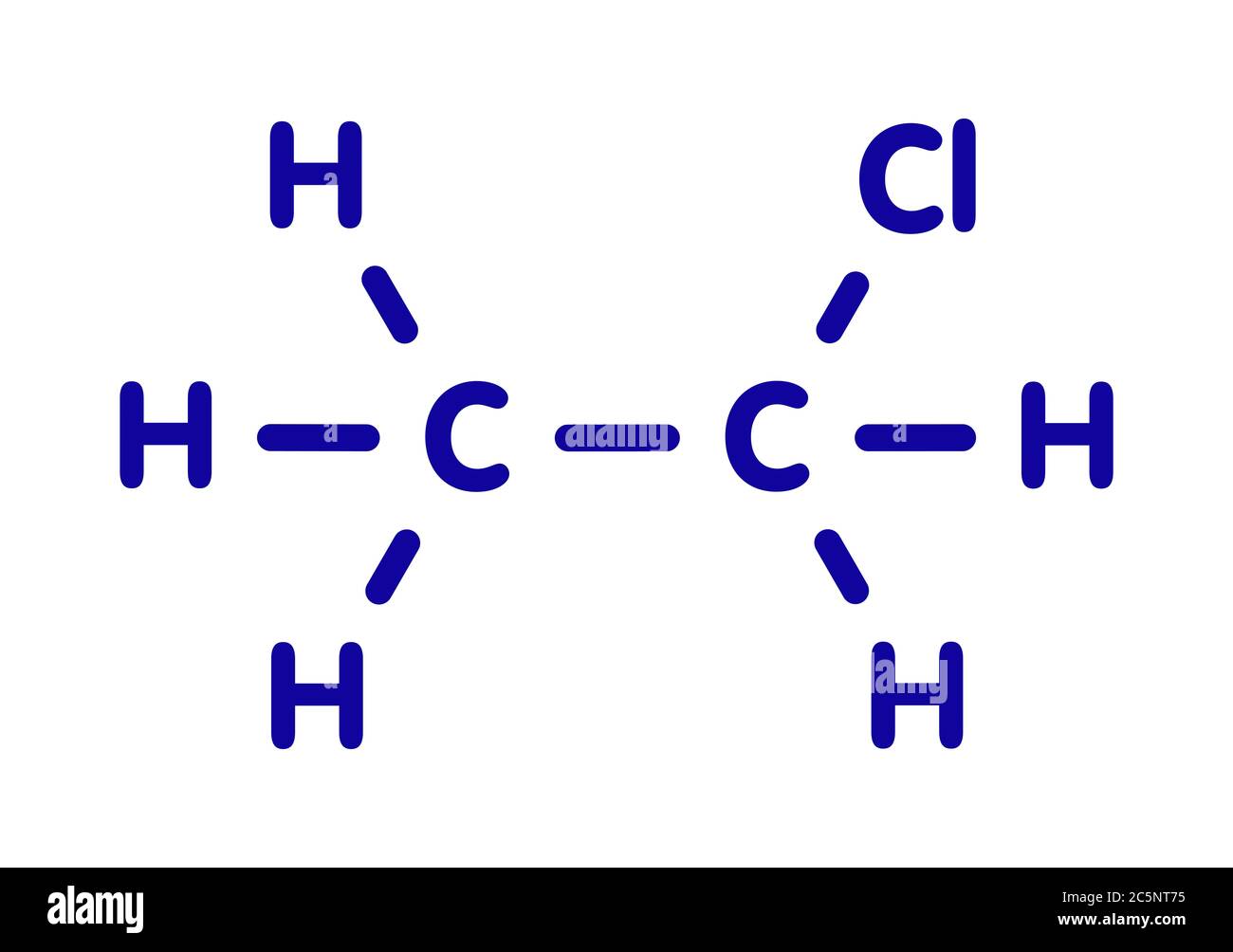
That takes care of the 5 hydrogens. Now, where does our lonely chlorine hang out? It usually attaches to one of the carbons. Let’s choose one!
H H H | | | H – C – C – H | | H Cl
Almost there! Hold on...does something feel off? Time to check how many electrons we've used, or more importantly, if our atoms have fulfilled their octets!
The Octet Rule: Everyone Needs Eight (Except Hydrogen!)
The octet rule basically says that most atoms (except hydrogen, which is happy with just two electrons) want to be surrounded by eight valence electrons. Think of it like a cosmic popularity contest – eight is the magic number!
Let's check our carbon atoms. Each carbon is bonded to three hydrogens and one carbon, which gives it 3 + 1 = 4 bonds. Since each bond represents two electrons, that’s 4 x 2 = 8 electrons! Great, carbons are happy!
Hydrogens are bonded to just one atom, so each hydrogen has 2 electrons. Also great!
But what about chlorine? Chlorine is only bonded to one carbon, so it only has 2 electrons in this picture. Chlorine is definitely not a happy camper!
Lone Pairs to the Rescue!
Chlorine has 7 valence electrons. It's using one to form a bond with carbon, which means it has 6 electrons left. Remember those friends it’s eager to share? These remaining electrons hang out in pairs, called lone pairs, around the chlorine atom. Think of them as tiny little electron clouds boosting chlorine's self-esteem.
Let's draw those in:
H H H | | | H – C – C – H | | H Cl: : :
Each colon (:) represents a lone pair, or two electrons. We've got three lone pairs, which accounts for the 6 remaining electrons. Now, chlorine "feels" the presence of eight electrons (two from the bond, and six from the lone pairs). Happy chlorine!
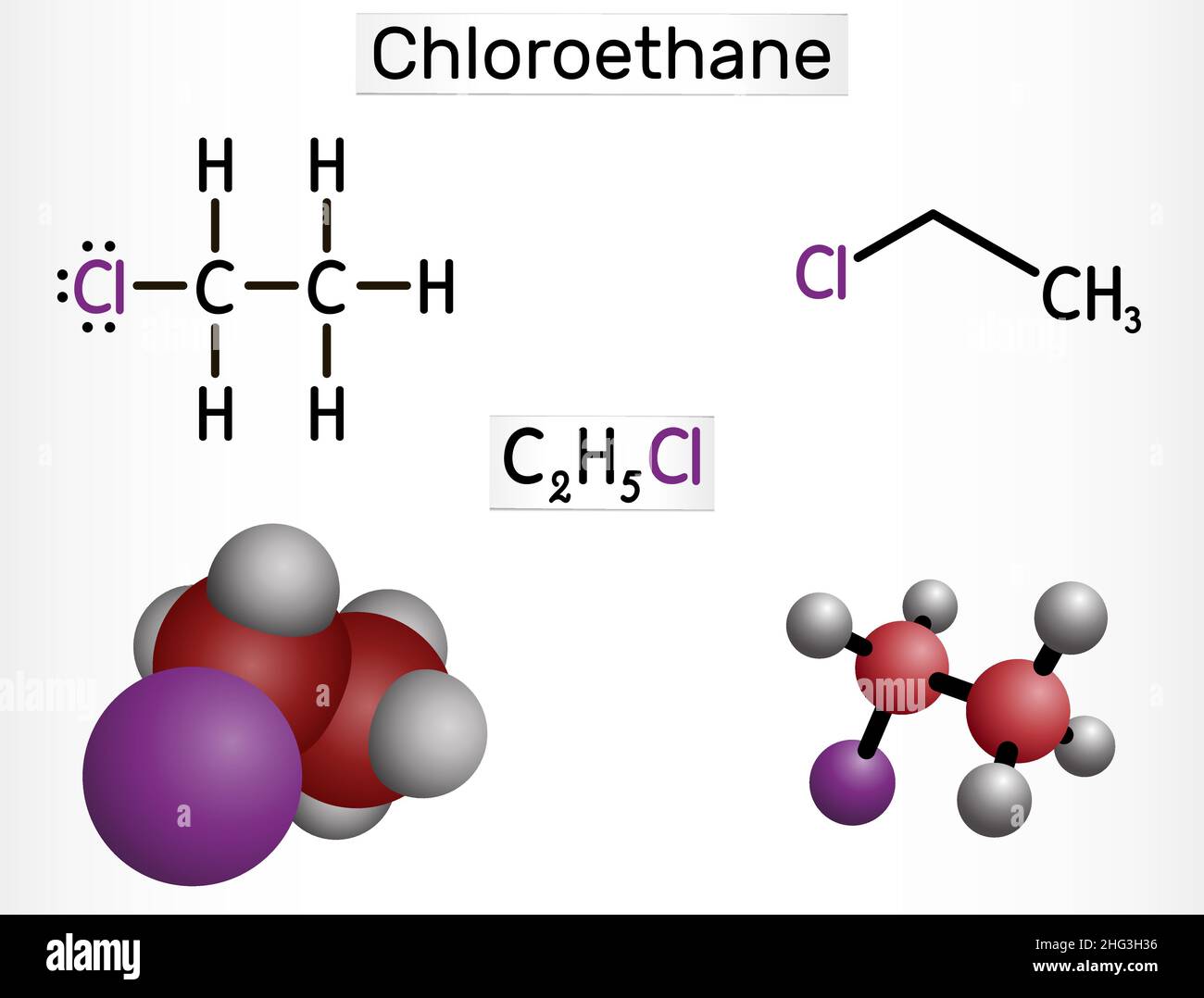
The Grand Finale: Our Completed Lewis Structure
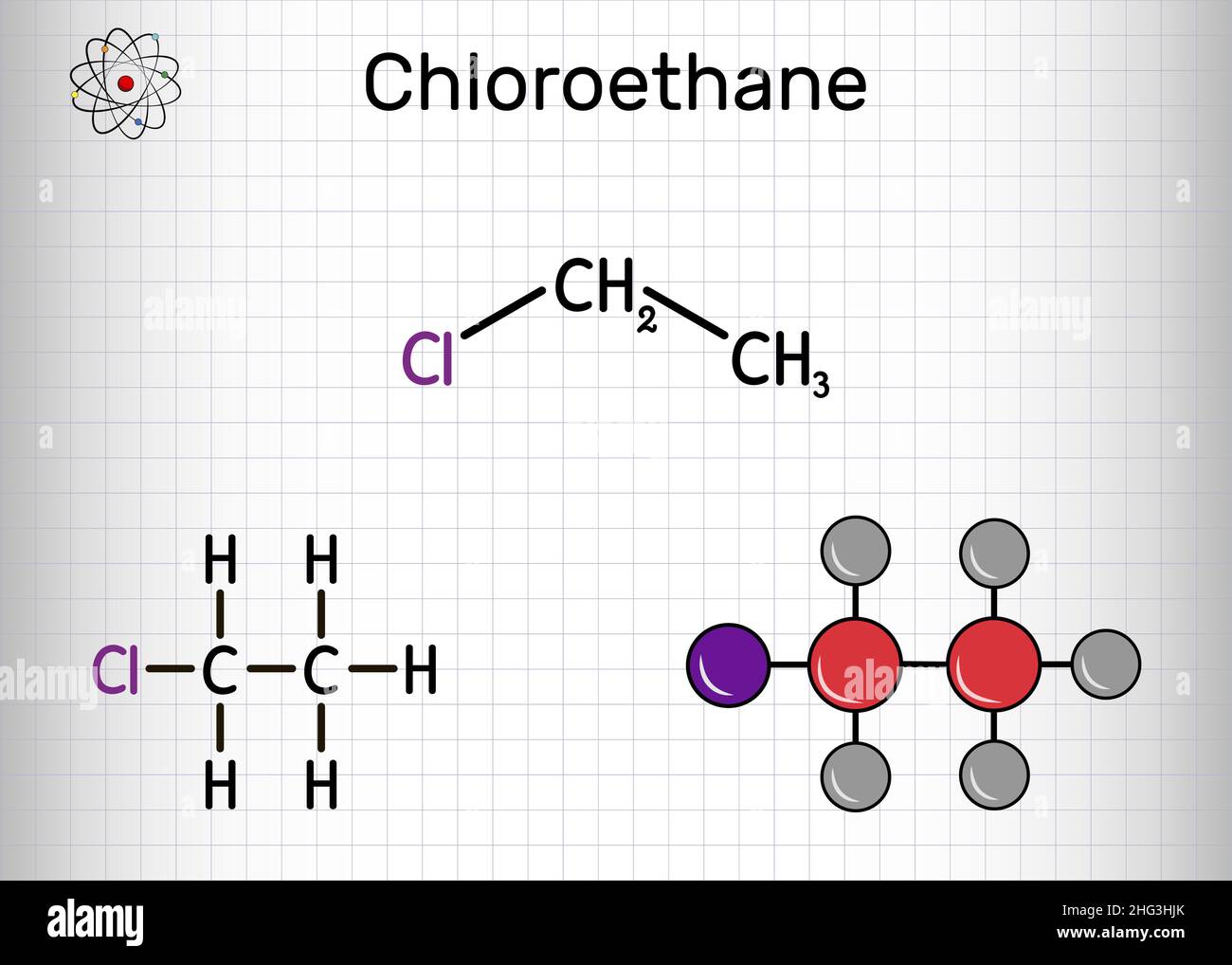
So, there you have it! The Lewis structure for C2H5Cl is:
H H H | | | H – C – C – H | | H Cl: : :
We've used all 20 of our valence electrons wisely and made sure everyone's octet (or duet for hydrogen) is satisfied. It's a happy molecule indeed!
Concluding Thoughts: You Did It!
See? That wasn't so bad, was it? Figuring out Lewis structures is a fundamental skill in chemistry, and you just leveled up! Now you can confidently tackle other molecules and show off your newfound knowledge to your friends (or just secretly smirk to yourself when you see chemical formulas). Keep practicing, keep exploring, and remember that even the most complicated things can be broken down into simple, manageable steps. You've got this!