
Led Vs Hps Lumens Per Watt
Alright, future lighting guru, gather 'round! Ever paused to think about the incredible power of light? Not just the sun, but the artificial glow that helps our plants thrive, illuminates our workspaces, and makes our modern lives possible. It’s a topic that might sound technical, but trust me, understanding a little bit about it can be incredibly empowering, saving you money, and frankly, just making life a whole lot more fun!
Today, we’re diving into a friendly, fascinating showdown between two titans of artificial light: HPS (High-Pressure Sodium) and LED (Light Emitting Diode). We're going to peek behind the curtain at something called lumens per watt. Sounds fancy? Don't worry, we'll break it down so simply, you'll be confidently chatting about it. (Maybe not at a dinner party, but definitely impressing your houseplants!)
Why Care About Lumens Per Watt?
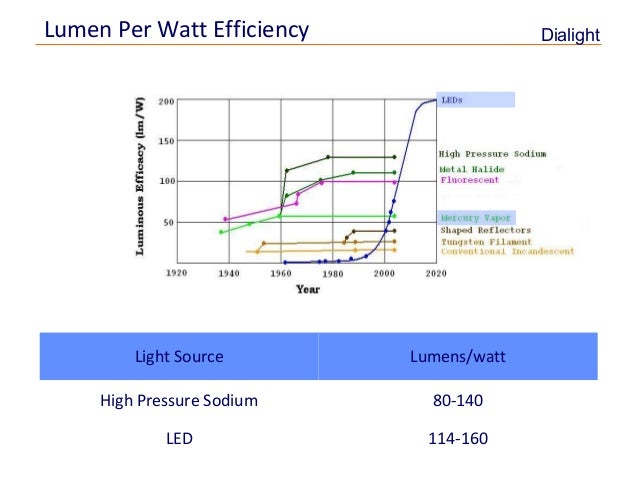
Great question! Imagine buying a car. You'd consider its fuel efficiency, right? Lumens per watt is the "fuel efficiency" of a light bulb. It tells you how much light you get for every unit of electricity you feed it. More lumens per watt means more light bang for your buck, directly translating to lower electricity bills and a happier wallet. Who doesn't want that?
Must Read
Knowing this helps you make smarter choices, whether you’re growing tomatoes indoors, illuminating a workshop, or just finding efficient lighting for your home. It's about being in control of your energy use and getting the best results.
Meet the Contenders: HPS, the Seasoned Pro
First up, a round of applause for the venerable HPS lamp. Think of HPS as the sturdy, reliable workhorse of the lighting world. For decades, it’s been the go-to for serious growers and large-scale industrial lighting. Why? Because these lamps pump out an incredible amount of light!
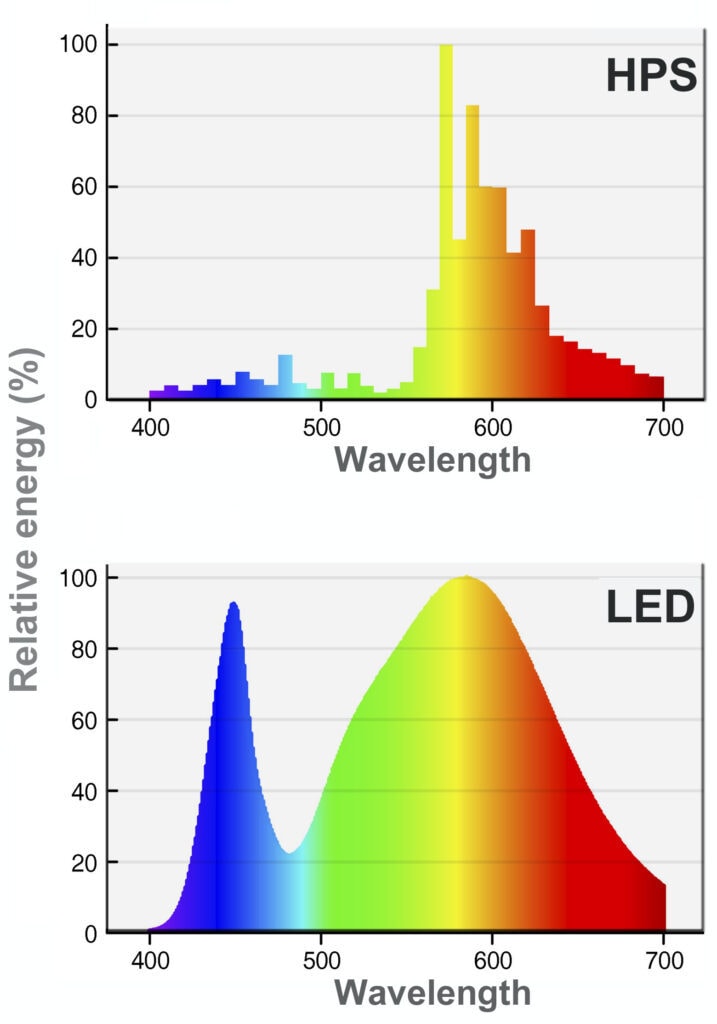
HPS lights are known for their warm, yellowish-orange glow, particularly effective for the flowering and fruiting stages of plants. They're robust, relatively inexpensive to buy initially, and historically, kings of raw lumen output per watt. If you wanted a lot of light, HPS was your champion.
However, every hero has a kryptonite, right? For HPS, it's heat! These lamps get seriously hot, often requiring elaborate cooling systems. And while great for general brightness, their light spectrum isn't always balanced for all stages of plant growth. They're a powerful but one-trick pony.
And Introducing: LED, the Nimble Newcomer
Now, let's turn to the dazzling newcomer, the LED lamp. LEDs are the tech darlings, evolving at lightning speed. They're like the sleek, customizable sports car compared to the HPS's dependable pickup truck.
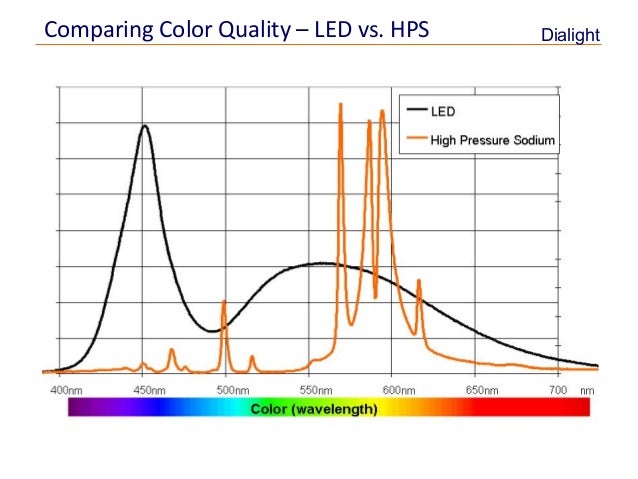
What makes LEDs so exciting? For starters, their efficiency. They consume significantly less energy than HPS for comparable light. But here's the real magic: spectrum control. LEDs can be precisely tuned to emit specific wavelengths. This means you can give your plants exactly the colors of light they need for every growth stage, from seedlings to harvests. It's like a gourmet chef preparing a custom meal for your plants.

Plus, LEDs run much cooler, reducing cooling costs and simplifying your setup. They also boast an incredibly long lifespan – years and years! The initial investment might be higher, but long-term savings on electricity and replacement bulbs are often substantial.
The Lumens Per Watt Showdown: Not Always What It Seems!
Okay, the moment of truth! On paper, if you're just looking at raw, total lumens produced per watt, some HPS lamps can still boast impressive numbers. They throw a lot of visible light out there. But here's where the plot thickens: not all lumens are created equal, especially for plant growth.
Plants don't just "see" lumens; they use specific wavelengths for photosynthesis. HPS often produces much yellow and orange light that humans see as bright, but plants might not utilize as efficiently as the red and blue spectrums LEDs can precisely deliver. So, while an HPS might emit more total lumens, an LED often delivers more photosynthetically active radiation (PAR) per watt. That's the light plants actually use.

Think of it this way: an HPS might be shouting loudly, while an LED is whispering the exact secret code. With LEDs, you're not just getting light; you're getting smarter light. Modern LED technology has advanced so much that many high-quality LED fixtures now surpass HPS in overall efficiency and effective light delivery, even if raw "lumens per watt" might initially look close. They waste less energy and direct light more effectively. It's truly a game-changer!
Making Life More Fun (and Luminous)!
So, why does any of this make your life more fun? Well, knowledge is power! Understanding concepts like lumens per watt makes you an informed consumer. You can confidently choose lighting solutions that are effective, eco-friendly, and budget-conscious.
Imagine your houseplants thriving like never before under a perfectly tuned LED, or your workshop brighter and more inviting without the stifling heat of old-school bulbs. It’s about optimizing your environment, saving money, and feeling pretty darn smart while you do it! Who knew learning about light could feel like unlocking a secret level in a game?
This isn't just about technical specs; it's about empowerment. It’s about making conscious choices that benefit your wallet, your plants, and even the planet.
Shine On, You Knowledgeable Star!
Isn't it amazing how a little dive into something technical can open up a whole new world? The debate between HPS and LED, and the nuanced concept of lumens per watt, shows us that sometimes, the true winner isn't just about raw power, but about intelligence, efficiency, and adaptability.
So go forth, enlightened reader! Whether you're a budding urban farmer, a DIY enthusiast, or just someone who appreciates a well-lit space, I hope this little journey has sparked your curiosity. The world of light is constantly evolving, and by understanding its fundamentals, you're not just keeping up; you're leading the way. Keep asking questions, keep learning, and keep letting your own curiosity light up your life! The future is bright, and it's powered by smart choices!