Learning Through Art Structures Of A Prokaryotic Cell
Okay, so picture this: biology class. Snooze-fest, right? Wrong! We're about to make learning about prokaryotic cells... dare I say... fun? Yeah, I said it! And we're gonna do it through art! Get your crayons ready (or your fancy digital art tablets, I don't judge!).
Prokaryotes: The OG Cells (and Super Tiny!)
First things first, what even is a prokaryotic cell? Well, think of it as the ancient ancestor of all life on Earth. They're single-celled organisms – super tiny! – and way simpler than the cells that make up, say, you, me, or your pet hamster. (No offense, hamsters.) They're basically like the studios of cells, with everything just out in the open, not divided into separate rooms. We’re talking about bacteria and archaea, not the cuddly things. Got it? Good!
Now, let’s get drawing! We’re going to build our own prokaryotic cell masterpiece, one structure at a time.
Must Read
The Plasma Membrane: The Cell's Security Guard
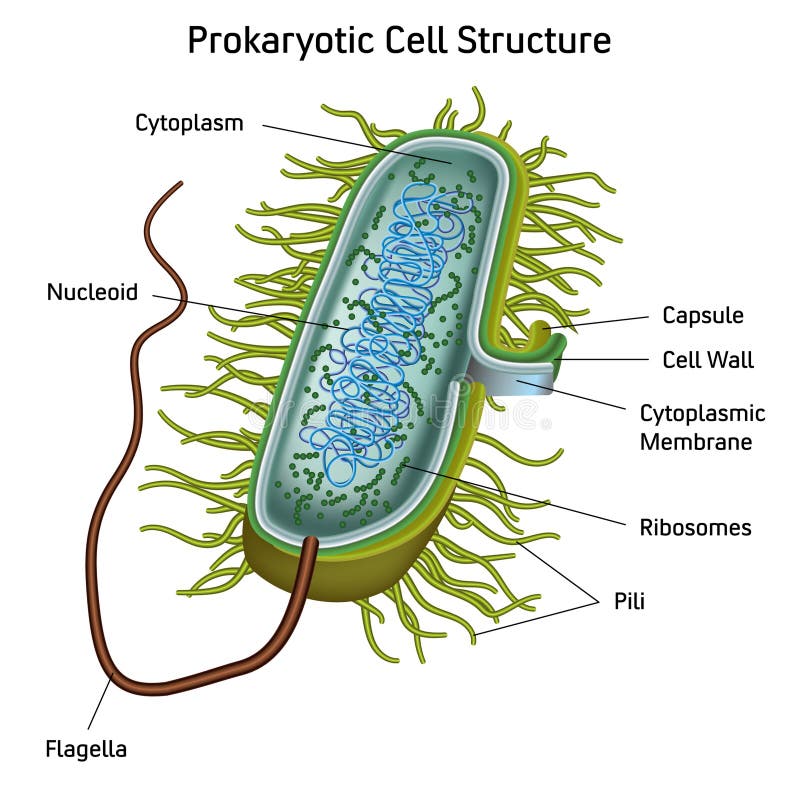
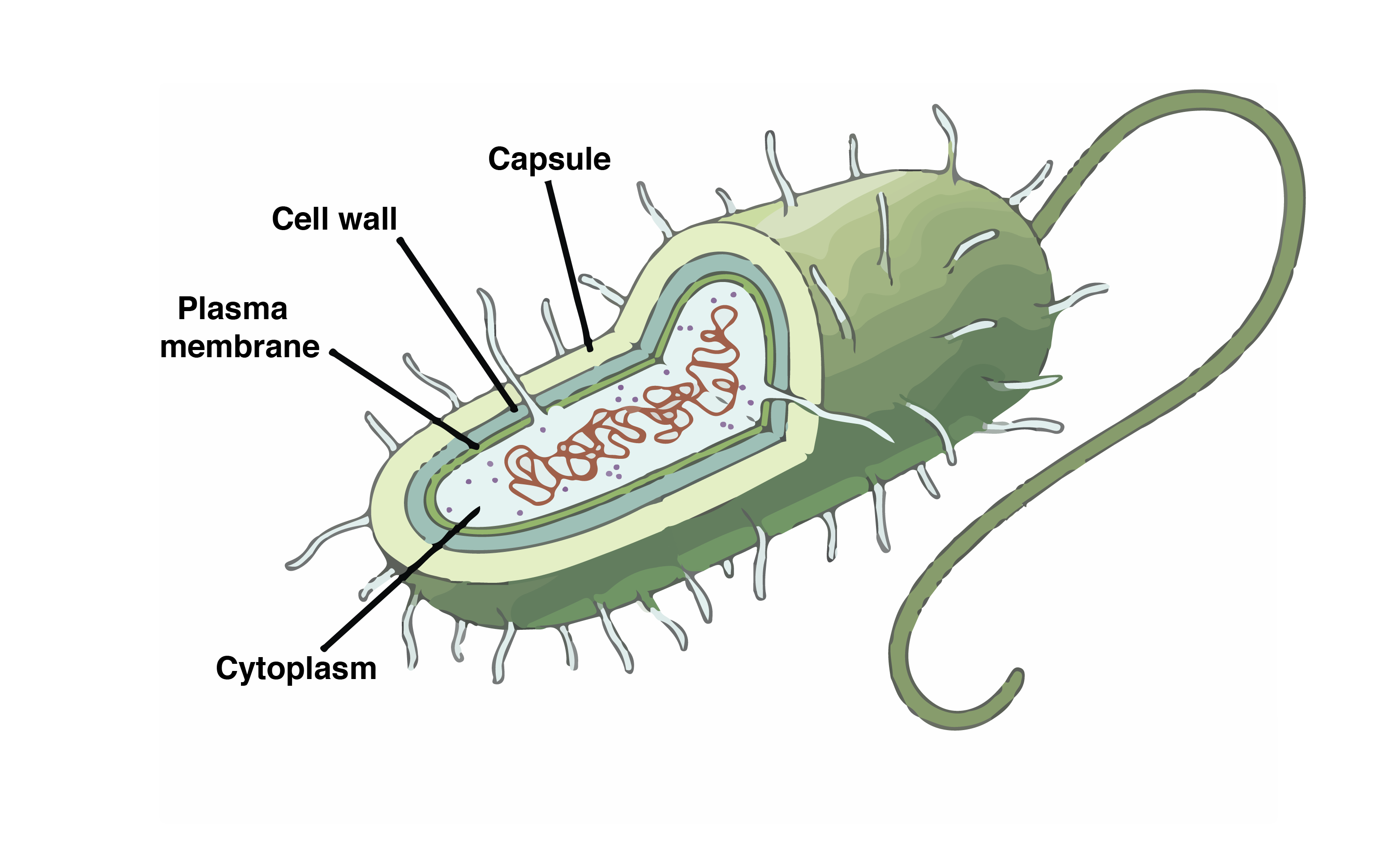
Every good cell needs a good boundary, right? That's where the plasma membrane comes in. Think of it as a bouncer at a club. It decides what gets in and what stays out. Draw a squiggly line around your cell shape. Make it look like it's got little bumps and grooves – that’s the lipid bilayer at work! (Don’t worry about what that is exactly right now, just know it looks cool.) Imagine little protein doors scattered around the squiggly line.
The Cell Wall: Extra Armor!
Some prokaryotes are a little tougher than others and have a cell wall outside the plasma membrane. It's like the cell wearing a suit of armor. Draw another, slightly thicker line outside the plasma membrane. This wall gives the cell extra protection and support, and help keep its shape. It's kind of like the foundation of a building. Without it, things would get... squishy. Especially when dealing with bacteria, this wall is usually made of something called peptidoglycan. Try saying that three times fast!

Cytoplasm: The Cell's Gooey Interior
Okay, now fill in the space inside the plasma membrane (and inside the cell wall, if your cell has one) with a light color. This is the cytoplasm, the gel-like substance that fills the cell. It’s where all the action happens! Imagine it's like a crowded city street, with all sorts of things happening at once.
DNA: The Cell's Instruction Manual
Inside the cytoplasm, you'll find the cell's DNA. But unlike our DNA, it's not neatly tucked away in a nucleus (prokaryotes don’t do that!). Instead, it's usually a single, circular chromosome floating around in the cytoplasm. Draw a tangled-up circle somewhere in the middle of your cell. This is the cell’s “brain” or “instruction manual.” Without it, the cell would be totally clueless!
Ribosomes: The Protein Factories
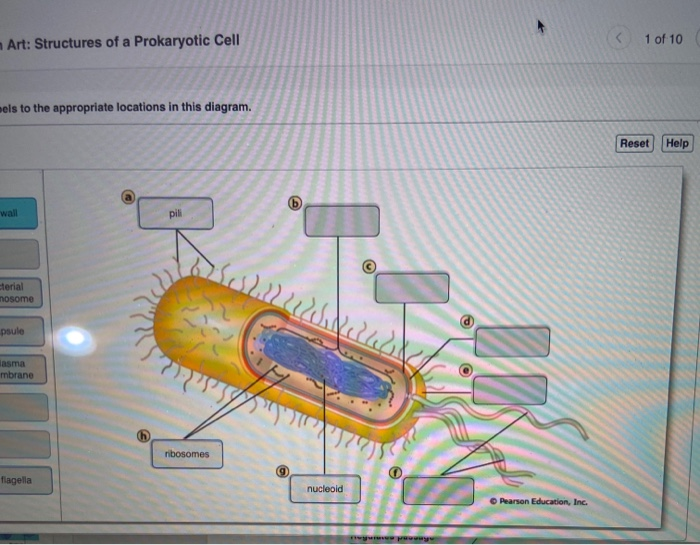
Next up are the ribosomes. These are the cell’s protein factories. They read the instructions from the DNA and use them to build proteins. Draw lots of tiny dots scattered throughout the cytoplasm. Think of them as tiny construction workers, diligently building stuff all day long.
Flagella: The Cell's Little Motor
Some prokaryotes have flagella – long, whip-like structures that help them move around. Think of them as tiny propellers. Draw a long, wiggly tail extending from one side of your cell. Now your little cell can zoom around!

Pili: Sticky Situation
Finally, let's add some pili. These are tiny, hair-like structures that help the cell stick to surfaces or to other cells. Draw a few short, thin lines sticking out from the cell. Think of them as little Velcro straps, helping the cell cling on to things. Some specialized pili called sex pili are involved in the transfer of genetic material! Ooh la la!
You Did It! A Cell-ebration!
And there you have it! Your very own artistic representation of a prokaryotic cell! Wasn't that way more fun than just reading about it in a textbook? You've visualized it, you've drawn it, and now you understand it! Pat yourself on the back (or ask a friendly ribosome to do it for you).
The beauty of art is that it helps us connect with complex concepts in a visual and memorable way. So the next time you’re feeling overwhelmed by science, grab your art supplies and start creating! You might just surprise yourself with what you can learn. And remember, even the tiniest cell can be a work of art! Now go forth and cell-ebrate your new knowledge! You're officially a prokaryote pro!