
Label The Structures Of The Bone

Ever looked at a skeleton and thought, "Wow, that's…a lot of bone?" You're not alone! It's easy to feel overwhelmed by all those shapes and bumps. But fear not, bone-buddy! We're about to embark on a surprisingly fun adventure, labeling the structures of a bone like pros.
Think of it like naming the characters in your favorite sitcom. Instead of Chandler and Monica, we've got the Epiphysis and the Diaphysis. Sound intimidating? They're not! It's all about breaking it down and discovering the hidden stories within our skeletal framework.
The Long and Short of It: Bone Basics
Okay, let's start with a long bone. These are the rockstars of our limbs – think femur (your thigh bone) or humerus (upper arm bone). They're longer than they are wide. Pretty self-explanatory, right?
Must Read
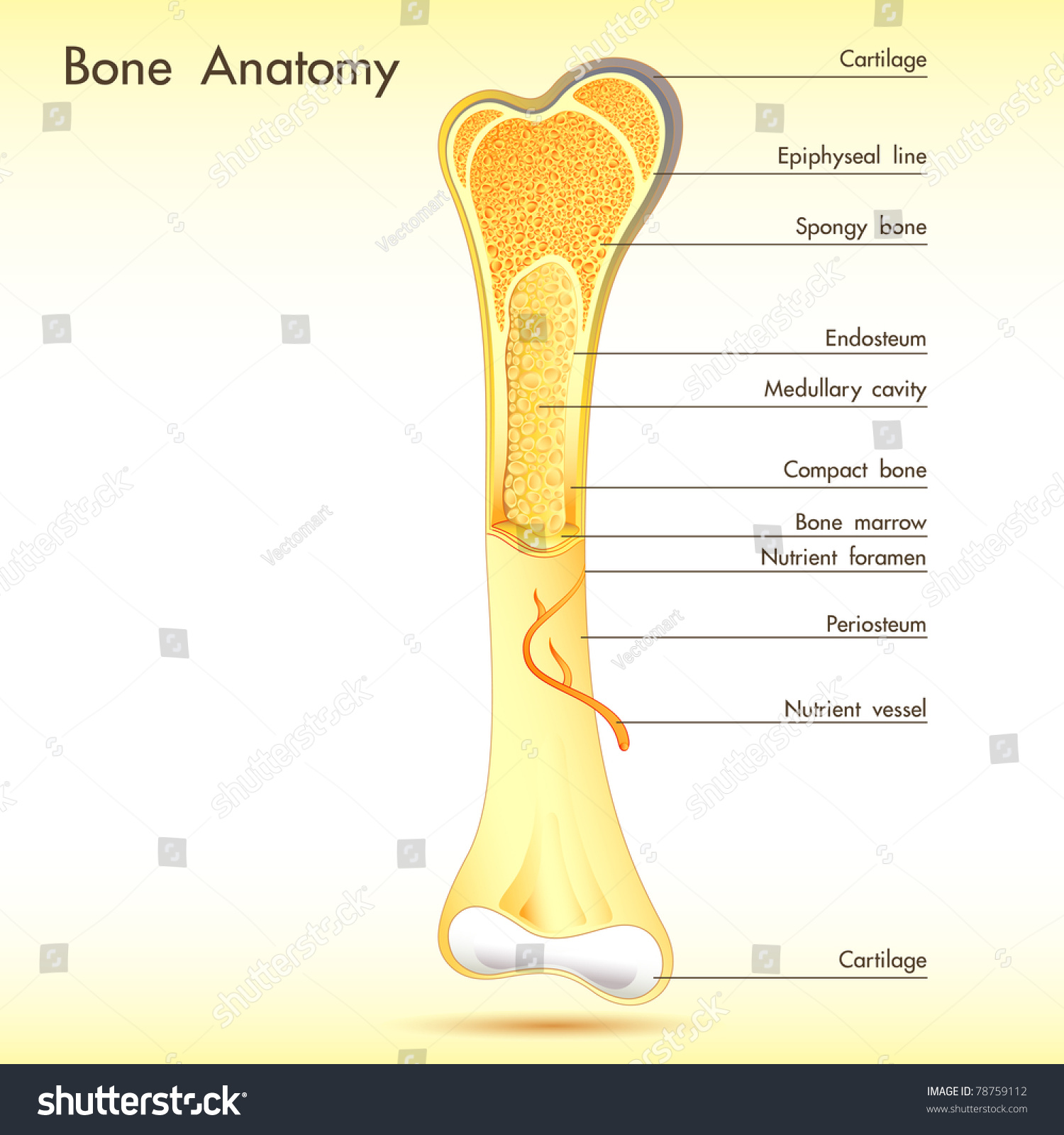
Now, picture a delicious drumstick. That long, central part? That's the Diaphysis. It's the main shaft of the bone, made of strong, compact bone. This gives the bone its strength and allows it to bear weight.
At each end of the drumstick (or long bone, you know), you have the Epiphysis. These are the knobby bits, covered in cartilage. They help form joints with other bones, allowing us to bend, twist, and dance like nobody's watching (even if they are!).
The In-Between Zone: Metaphysis
What connects the Diaphysis and Epiphysis? Meet the Metaphysis! This is where the magic happens during growth. It contains the epiphyseal plate (also known as the growth plate), a band of cartilage that allows the bone to lengthen.
Think of the growth plate as a tiny construction crew, busily adding new bone tissue. Once we reach adulthood, this plate hardens into bone and becomes the epiphyseal line. No more growing taller (sorry, folks!).
So, the Diaphysis, Epiphysis, and Metaphysis are like the introduction, climax, and resolution of a bone's growth story. They work together to create the long, strong bones that keep us moving.
Inside the Bone: A Peek at the Periosteum and Endosteum
Bones aren't just solid, lifeless objects. They're actually living, breathing tissues! They have their own protective layers and internal structures.
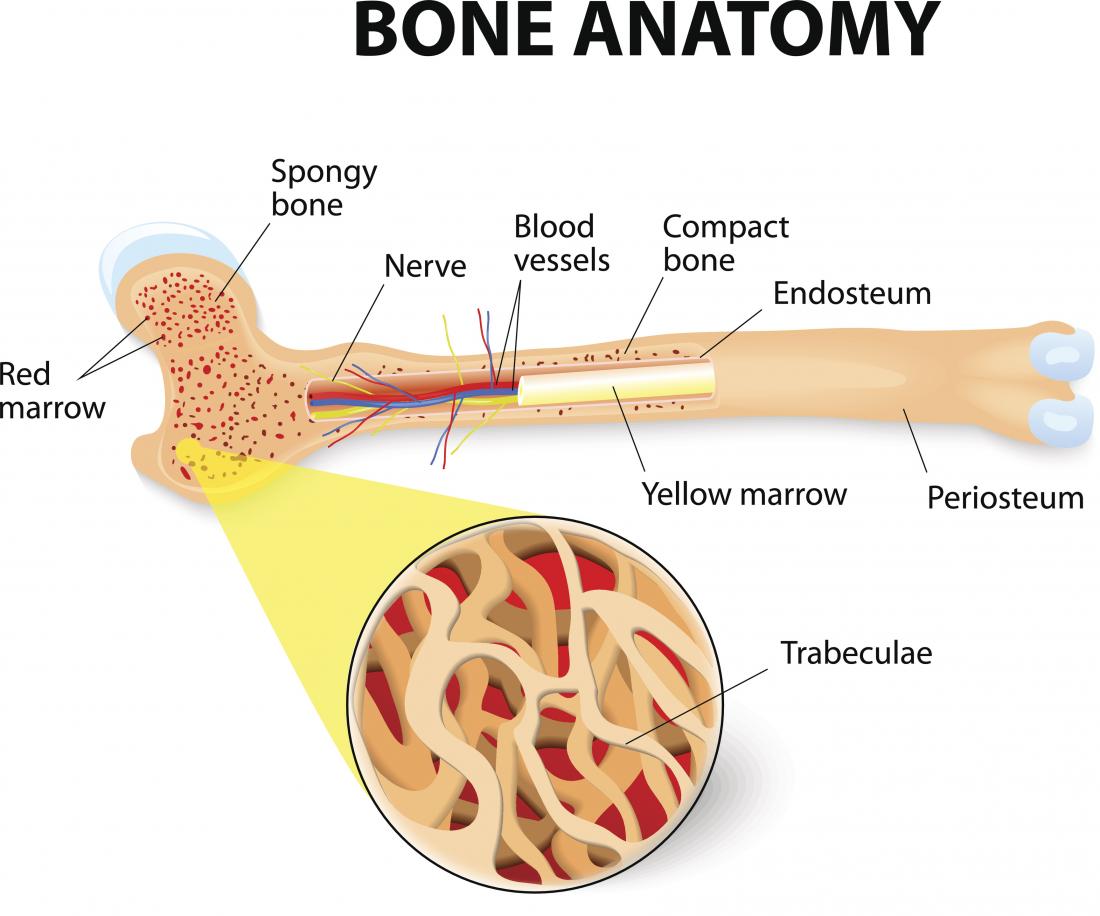
The Periosteum is a tough, fibrous membrane that covers the outer surface of the bone (except at the joints). It's like the bone's personal bodyguard, protecting it from injury. It also contains blood vessels and nerves, which nourish the bone and allow us to feel pain if we break it.
Think of the periosteum as the wrapping paper on a birthday gift – it keeps everything safe and sound! Plus, it's responsible for bone repair. If you fracture a bone, the periosteum will help form new bone tissue to heal the break.
On the inside, we have the Endosteum, a thinner membrane that lines the medullary cavity. The medullary cavity is the hollow space inside the Diaphysis that contains bone marrow.
Bone marrow is where blood cells are made! It's like the bone's personal blood factory, constantly producing new red blood cells, white blood cells, and platelets. Without bone marrow, we wouldn't be able to fight off infections or transport oxygen around our bodies.
Compact vs. Spongy: A Bone Texture Tale
Bones aren't uniformly solid. They're made of two different types of bone tissue: compact bone and spongy bone.
Compact bone, also known as cortical bone, is dense and strong. It forms the outer layer of most bones and provides protection and support. It's like the bone's armor, shielding it from damage.
Spongy bone, also known as trabecular bone, is lighter and more porous than compact bone. It's found in the Epiphysis of long bones and in the interior of other bones. It's like the bone's shock absorber, cushioning it from impact.
Imagine a honeycomb. That's what spongy bone looks like! The spaces between the trabeculae (the bony bars that make up spongy bone) are filled with bone marrow.
Specific Bone Features: Landmarks and Legends
Now, let's get into some specific bone features. These are like the landmarks on a map, helping us navigate the complex terrain of the skeleton.

A Process is a bony projection or outgrowth. It's like a handle or a knob that muscles and ligaments can attach to. Think of the spinous process on your vertebrae – that's the bony bump you can feel on your back.
A Fossa is a shallow depression or hollow. It's like a bowl or a socket that another bone can fit into. The glenoid fossa of the scapula (shoulder blade) is where the humerus (upper arm bone) articulates to form the shoulder joint.
A Foramen is a hole or opening. It's like a tunnel that blood vessels and nerves can pass through. The foramen magnum at the base of the skull is where the spinal cord connects to the brain.
A Condyle is a rounded projection that articulates with another bone. It's like a knuckle that fits into a joint. The femoral condyles at the end of the femur (thigh bone) articulate with the tibia (shin bone) to form the knee joint.
A Tubercle is a small, rounded projection. It's like a tiny bump where muscles attach. The greater tubercle of the humerus (upper arm bone) is where several shoulder muscles attach.
A Tuberosity is a large, rounded projection. It's like a big bump where muscles attach. The tibial tuberosity on the tibia (shin bone) is where the patellar tendon (from the kneecap) attaches.
These are just a few of the many bone features that you might encounter. Each one has a specific name and function. Learning these landmarks can help you understand how bones articulate with each other and how muscles attach to bones to produce movement.
A Bone-afide Conclusion
So, there you have it! A whirlwind tour of bone structures, from the Diaphysis to the Tuberosity. Hopefully, you now see bones as more than just static objects. They're dynamic, living tissues that are constantly being remodeled and repaired.
Next time you see a skeleton, take a moment to appreciate the intricate beauty and complexity of these amazing structures. And remember, every bone has a story to tell! You can impress your friends and family with your newfound bone knowledge.
Now go forth and spread the bone love! And remember: Knowledge of bones is definitely a skeleton key to understanding the human body. You've now unlocked it!