
Kwh Consumption Of Average Household
Ever glance at your electricity bill and see those mysterious letters: kWh? It’s not a secret code from an alien civilization, though sometimes it feels just as puzzling! Think of it as the ultimate scoreboard for how much electricity your home has happily gobbled up.
Imagine electricity as tiny, invisible workers buzzing around your house, powering everything from your morning coffee to your late-night Netflix binge. A kilowatt-hour, or kWh for short, is simply how we measure the work these busy little electrons have done over time.
It’s like asking, "How many scoops of sunshine did my house use this month?" or "How many tiny electron sprints did it take to bake that lasagna?" It’s all about energy consumption, neatly packaged.
Must Read
Unmasking the Average Household's Appetite
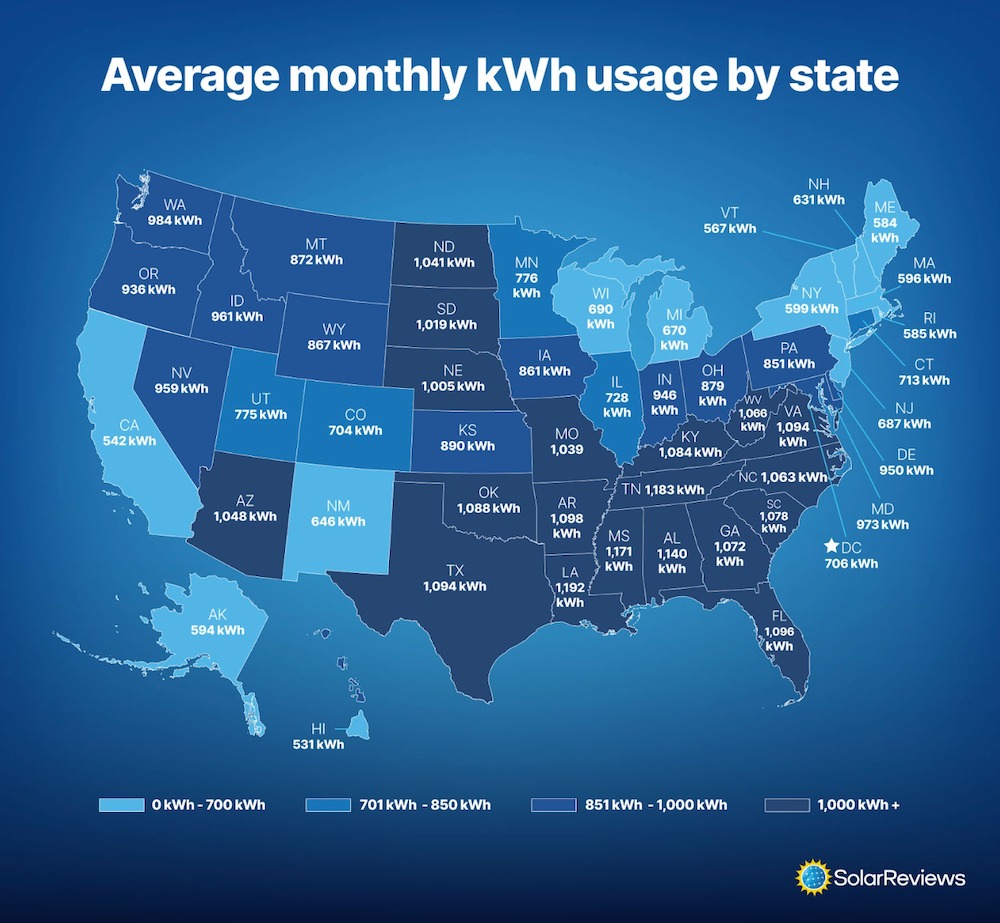
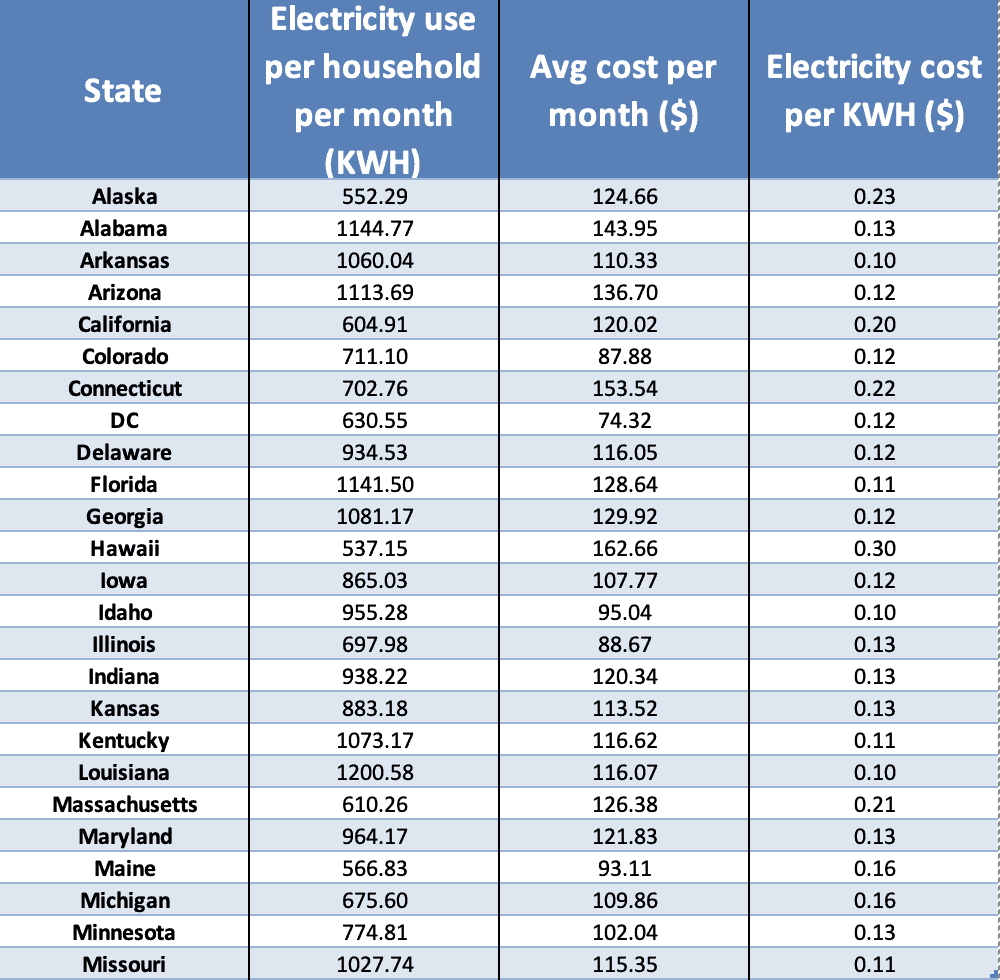
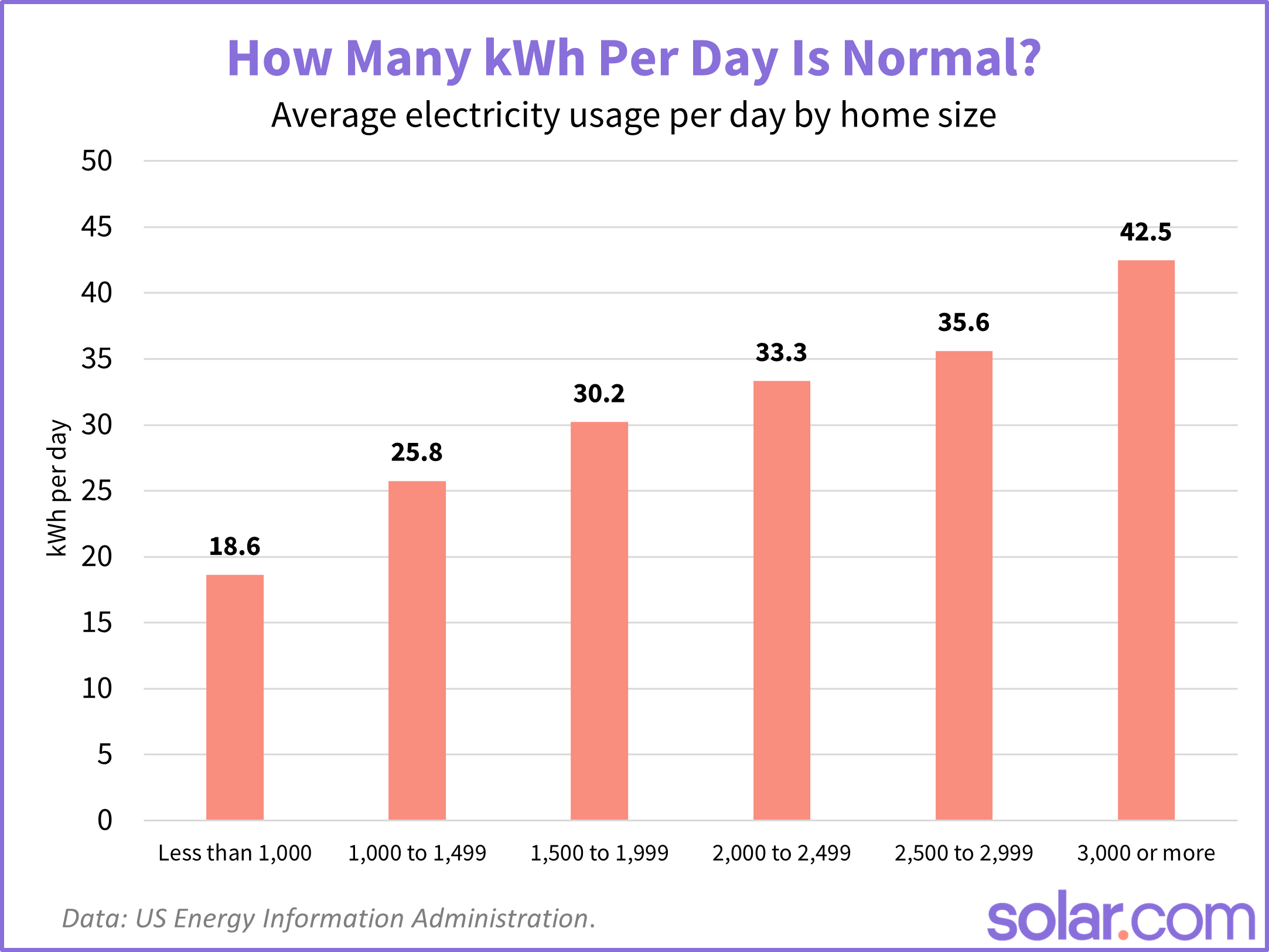
So, what’s the big number? How much electricity does the "average" household munch through in a typical month? Drumroll, please! While it swings wildly depending on where you live, the size of your castle, and how many gadgets you’ve got plugged in, a common ballpark figure for a U.S. home hovers around 800 to 1,000 kWh per month.
Now, don’t panic if your number is different! This "average" is like a mythical creature – rarely seen in its pure form. It’s more of a friendly guideline, a starting point for our playful energy detective work.
Think of it as the baseline snack consumption for a house. Some homes are dainty eaters, while others are full-on energy gourmands, hosting grand feasts for their appliances!
The Energy Guzzlers: Your Home's Heavy Hitters
Let's meet the champions of consumption, the rockstars of your electricity bill! These are the appliances that really know how to make those little kWhs add up.
Heating and Cooling: The Temperature Titans
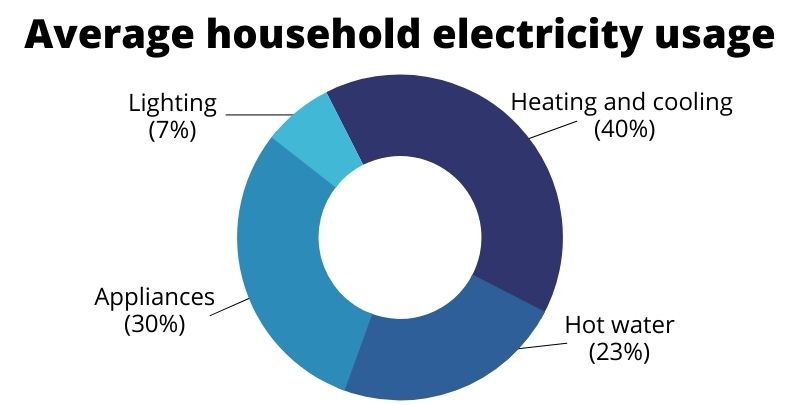
Ah, the HVAC system! Whether it’s cranking out heat in the winter or chilling things down in the summer, your heating, ventilation, and air conditioning system is often the undisputed heavyweight champion of household energy use.
We're talking about a massive chunk of your bill, sometimes over half! Imagine a tiny dragon living in your basement or attic, constantly breathing hot or cold air into your ducts. That dragon needs a LOT of fuel.
This isn't just a casual sip of electricity; it's a deep, thirsty gulp! Keeping your home at a comfy 72 degrees when it's scorching or freezing outside takes some serious energy muscle.
Water Heater: Your Hot Water Hero (and Energy Hog)
Next up is your water heater, the unsung hero that delivers those glorious hot showers and sparkling clean dishes. But alas, great comfort often comes with great energy demand!
Heating water, whether with gas or electricity, requires a significant amount of power. It’s like having a dedicated chef in your basement, constantly warming up a giant pot of water, just in case you need it.
It can easily account for 15-20% of your total kWh consumption. Every time you turn on that hot tap, imagine those little electrons doing a happy dance, then heading straight to your meter.
Refrigerator: The Silent, Constant Muncher
Your fridge is like that ever-present friend who’s always nibbling. It might not seem like much on its own, but it's always on. Day in, day out, 24/7, keeping your snacks cool and your veggies crisp.
While modern fridges are far more efficient than their chunky ancestors, they still steadily contribute to your monthly kWh tally. Think of it as a low hum of energy, a constant gentle pull from the grid.
Over a year, this steady effort adds up, making your refrigerator a surprisingly significant player in your total energy picture. It's the marathon runner of your appliance team.
Lighting: From Dazzle to Drizzle
Remember the good old days of incandescent bulbs, those little heat generators that also happened to emit light? They were energy guzzlers! Thankfully, technology has given us the magnificent LEDs.
Swapping out old bulbs for LEDs is like replacing a fire-breathing dragon with a fairy dust sprinkler – immensely more efficient! While lighting once accounted for a hefty portion, LEDs have slashed this dramatically.
Now, lighting is often a smaller slice of the pie, thanks to these super-efficient little glow-worms. You can light up a room for pennies compared to yesteryear!
Laundry Room Duo: Washer and Dryer
The dynamic duo of the laundry room: your washer and dryer. The washing machine uses electricity to tumble and spin, and if it heats its own water, that adds to the load.
But the dryer? Oh, the dryer is a true power performer! Blasting air with heat to dry your clothes quickly takes a serious energy punch. It's like a mini blast furnace dedicated to fluffy towels.
If you're doing several loads a week, this pair can become quite noticeable on your energy bill. Air-drying clothes is the ultimate energy-saving trick here!
Cooking Appliances: Culinary Powerhouses
Your stove and oven are like Olympic athletes, performing intensely for short bursts. While they might not be on all the time, when they are, they draw a significant amount of power to bake those cookies or sear that steak.

An electric oven heating up to 400 degrees is like asking the grid to flex its muscles! Microwaves, toasters, and coffeemakers are also part of this culinary crew, though their individual impact is much smaller.
Imagine your kitchen as a bustling power station during dinner prep, especially if you love to cook and bake!
Electronics and Gadgets: The Digital Dynasty
Welcome to the age of screens! TVs, computers, gaming consoles, chargers for phones and tablets, smart speakers – our homes are filled with an electronic orchestra. Each one takes a little sip of power.
Individually, they're often quite modest, but collectively, they can add up! Picture your living room as a mini-server farm, always humming with digital life.
And let's not forget the dreaded phantom loads or vampire power!
The Mysterious Case of Vampire Power!
"Are your electronics secretly sipping energy even when they're 'off'?"
Oh yes, they are! Many devices, even when turned off, are still drawing a tiny bit of power to maintain settings, display clocks, or wait for a remote signal. We call this vampire power, because these devices are quietly sucking energy from your outlets, like tiny, discreet energy vampires.
Think of your TV, phone charger (even without a phone attached!), computer monitor, and gaming console. They’re often in standby mode, perpetually waiting for your command.
While each individual "vampire" sips very little, collectively, these phantom loads can account for 5-10% of your total electricity bill! It’s like leaving a dozen tiny faucets dripping all day long.
Your Home's Unique Energy Fingerprint
So, is your home an average energy consumer, a frugal minimalist, or a lavish energy spender? Every home has its own unique energy fingerprint.
It’s influenced by everything from the insulation in your walls (or lack thereof!) to how many teenagers live under your roof (and their penchant for long showers and gaming marathons).
Understanding your kWh consumption isn't about guilt; it's about awareness! It's about knowing where your energy goes and feeling good about the choices you make.
Feeling Good About Your Kilowatt-Hours!
The next time you see "kWh" on your bill, instead of feeling confused, give a little nod of understanding. You’re now in the know! You understand the energy dance happening behind the scenes in your home.
Whether you’re a power-conscious minimalist or a proud energy enthusiast, every bit of electricity powers your comfort, your entertainment, and your modern life.
So, go forth, savvy energy consumer! Enjoy your hot showers, your chilled drinks, and your glowing screens, knowing you’ve got a handle on the magical world of kilowatt-hours. It’s a wonderful, powerful world, and you’re a part of it!