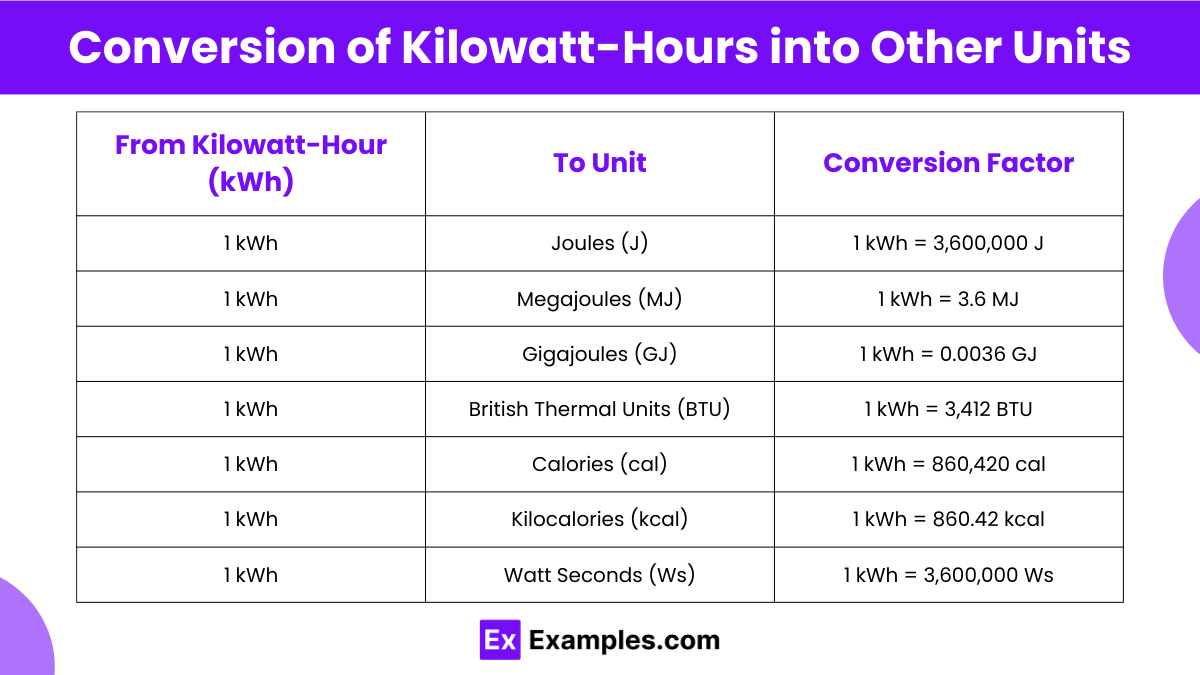
Kilowatt Hour To Watt Hour
Ever stared at your electricity bill, mystified by terms like "kWh"? Or perhaps you've looked at a power bank, wondering what its "Wh" rating really means for your phone? Don't worry, you're not alone! Understanding these units of energy isn't just for electricians; it's a superpower for anyone who wants to save money, be smarter about their gadgets, and get a better grip on their energy consumption. It might sound technical, but converting between Kilowatt-hours (kWh) and Watt-hours (Wh) is actually super simple and incredibly useful once you know the trick!
Think of it like currency: we use dollars for big purchases, but cents for smaller ones. Electricity works similarly. A Kilowatt-hour (kWh) is the big daddy unit you see on your electricity bill. It measures the total amount of energy consumed by appliances over time. For instance, a 1000-watt (1-kilowatt) microwave running for one hour uses 1 kWh of energy. It’s a standard way to quantify energy usage for an entire household or large appliances because it helps keep the numbers on your bill manageable, rather than having billions of tiny units.
On the flip side, a Watt-hour (Wh) is a smaller, more granular unit of energy. You often see this on individual devices like laptops, smartphones, or power banks to indicate their battery capacity or their specific energy consumption. For example, a phone battery might have a capacity of 10 Wh. It's still measuring energy over time, just on a scale that makes sense for smaller items.
Must Read
So, why bother converting? Well, understanding this relationship gives you serious energy intelligence! If you know your laptop battery is 50 Wh, and you see your charger uses 0.06 kWh to fully charge it, converting that 0.06 kWh to 60 Wh (we’ll get to how in a sec!) allows you to instantly see if the numbers make sense. It helps you compare the energy appetite of different gadgets, estimate how long a device might run on a specific battery, or even calculate the true cost of leaving certain appliances plugged in. It’s all about making informed decisions, whether you’re buying a new appliance, tracking your solar panel output, or simply trying to lower that monthly bill.
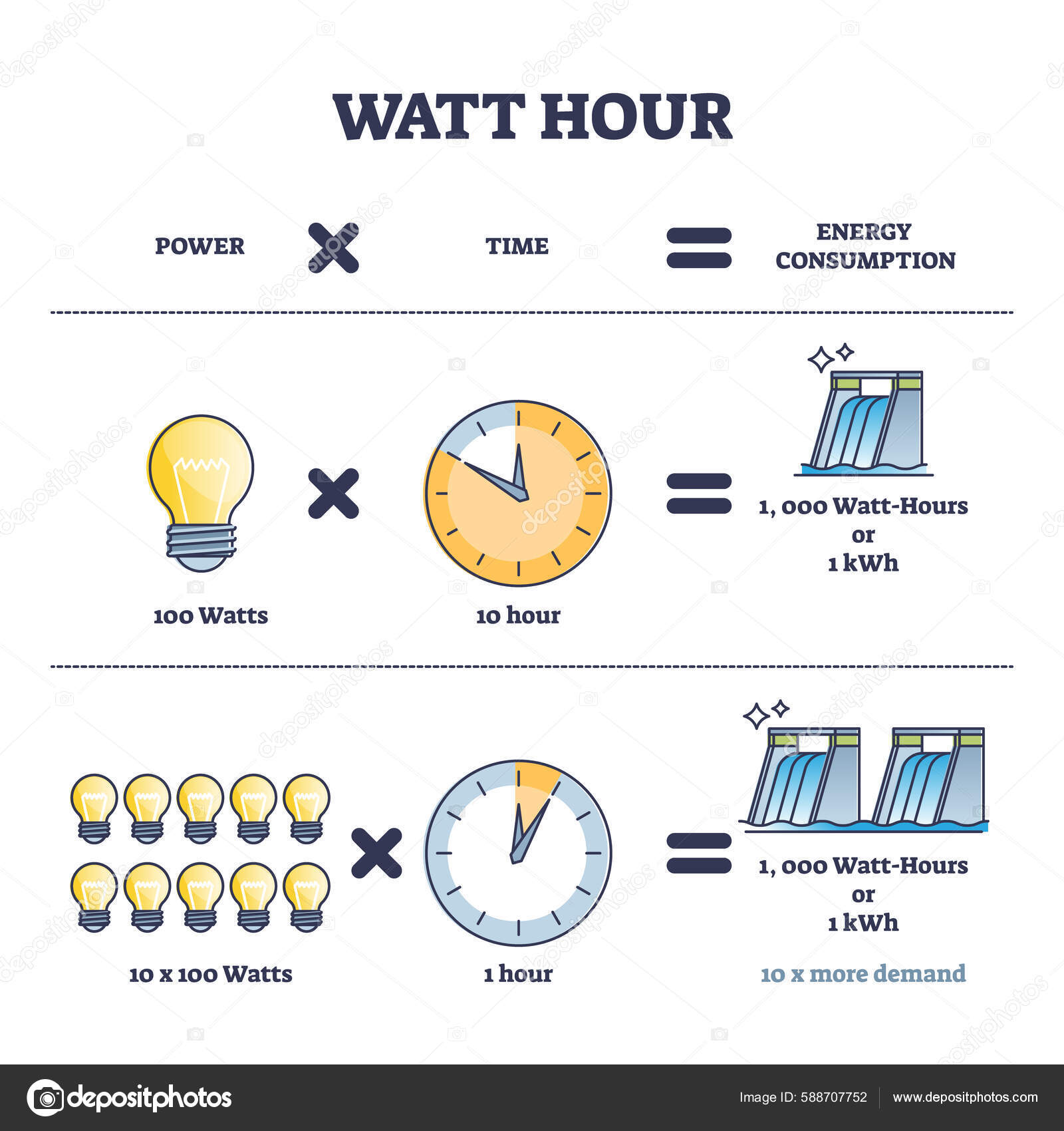
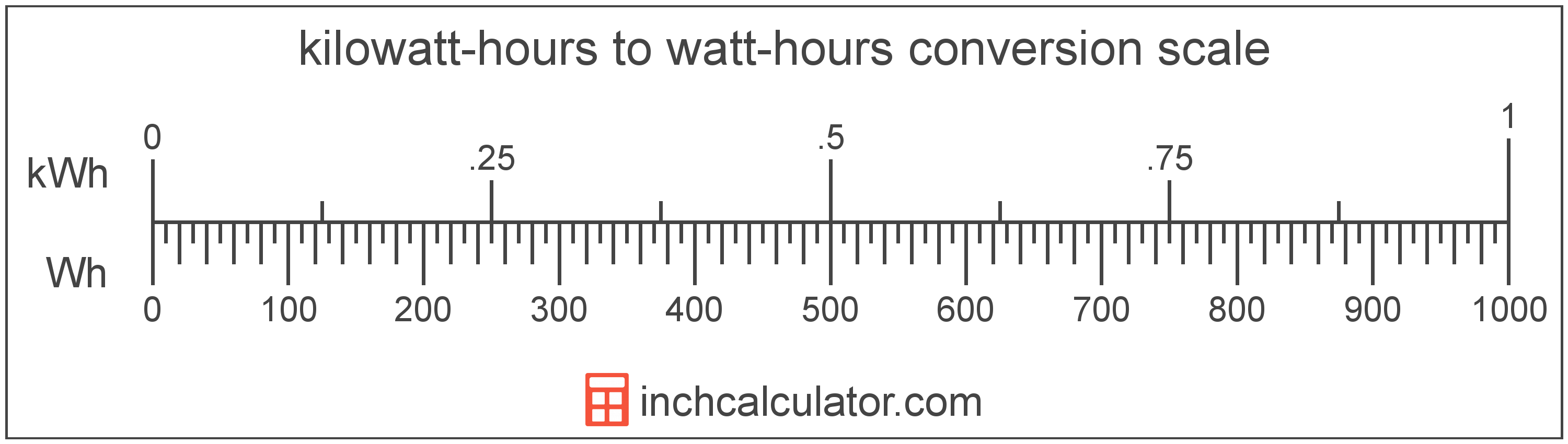
Ready for the magic trick? The conversion is incredibly straightforward. One Kilowatt-hour (kWh) is equal to 1000 Watt-hours (Wh). That's it! To convert kWh to Wh, you simply multiply the kWh value by 1000. So, if your energy usage is 0.5 kWh, that's 0.5 x 1000 = 500 Wh. Easy peasy! Conversely, if you have a device that uses 2500 Wh, and you want to know its cost on your electricity bill, you divide by 1000 to get 2.5 kWh.
Armed with this simple conversion, you’re no longer just a passive consumer of electricity. You're an energy detective, capable of translating those mysterious numbers into meaningful insights. Go forth and conquer your energy consumption – your wallet and the planet will thank you!