
Kidde Carbon Monoxide Alarm Chirping

Alright, let's talk about that little sound that can turn a perfectly peaceful evening into a head-scratching quest to find the source of pure, unadulterated annoyance. You know the one! That insistent, high-pitched, chirp... chirp... chirp... that seems to emanate from everywhere and nowhere all at once. If you've got a Kidde Carbon Monoxide Alarm and it's started doing its little song and dance, don't fret! We're here to turn that annoying peep into a moment of "Aha!" and a little bit of homeowner high-five.
That Tiny, Persistent Peep: What's the Deal?
Think of your Kidde Carbon Monoxide Alarm as a tiny, dedicated guardian. It's always on duty, sniffing the air, making sure everything's hunky-dory. But even guardians need a coffee break or, more accurately, a fresh set of batteries! When your alarm starts its rhythmic chirping, it's usually not screaming "Danger, Will Robinson!" (though we'll get to that kind of scream in a minute). Instead, it’s giving you one of two friendly, yet firm, nudges:
"Hey there, buddy! My batteries are doing the Macarena and need to be replaced!"
OR
"Psst! I've served my time admirably, and now it's time for me to retire!"
That's right! Your Kidde buddy is just letting you know it needs a little TLC. And honestly, that's a good thing! It means it's working, it's vigilant, and it's communicating with you.
Must Read
Before We Dive In: A Quick Hello to Carbon Monoxide
While the chirp itself isn't a direct danger alert, let's just take a moment to appreciate why this little device is so important. Carbon Monoxide (often shortened to CO) is the sneaky ninja of gases. It's invisible, odorless, and tasteless, making it incredibly dangerous. It can come from faulty furnaces, gas stoves, fireplaces, or even car exhaust. Your Kidde alarm is your personal CO detection superhero, and keeping it in tip-top shape means it can do its job protecting you and your loved ones from this silent threat.
Mission: Battery Swap – Your First Superpower Move!
Okay, back to the chirp. The vast majority of the time, that annoying little sound is begging for new batteries. It's like your TV remote when it starts losing its zing, only this is way more important than skipping commercials. This is your chance to be a domestic hero!
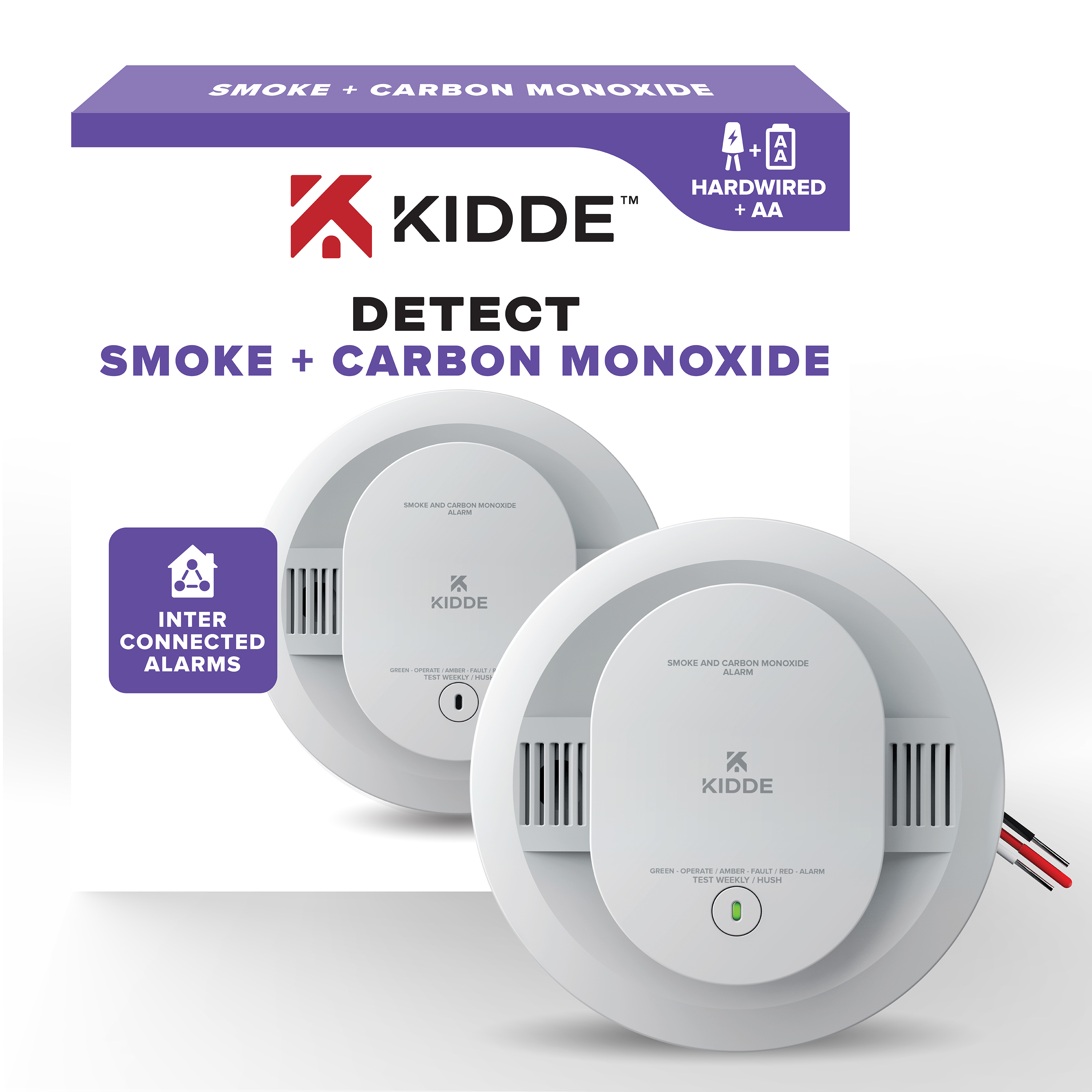
Here’s how you become the battery-changing champion:
- Locate Your Kidde Guardian: Find the chirping unit. Sometimes it's obvious, sometimes it requires a bit of detective work.
- Open 'er Up: Most Kidde Carbon Monoxide Alarms have a small battery compartment door, often on the back or side. You might need to slide a latch, press a tab, or even give it a gentle twist. No special tools usually required!
- Pop 'em Out: Carefully remove the old batteries. Notice their orientation – positive (+) and negative (-) ends – so you can put the new ones in correctly.
- New Batteries, New Life! This is key: always use fresh, high-quality alkaline batteries. Don't cheap out here! Your life (and sanity from future chirps) depends on it. Pop them in according to the orientation you noted.
- Close and Confirm: Securely close the battery compartment. You might hear a quick "beep" or a series of beeps, which is the alarm running its self-test. This is a good sign!
- Test it Out: Once the batteries are in, press and hold the "Test" button on the alarm for a few seconds. You should hear a loud, piercing alarm sound. This confirms it's fully operational and ready to keep sniffing!
Voila! Most likely, your persistent little chirper is now happily silent, back to its important job without bothering your peace and quiet. Give yourself a pat on the back!
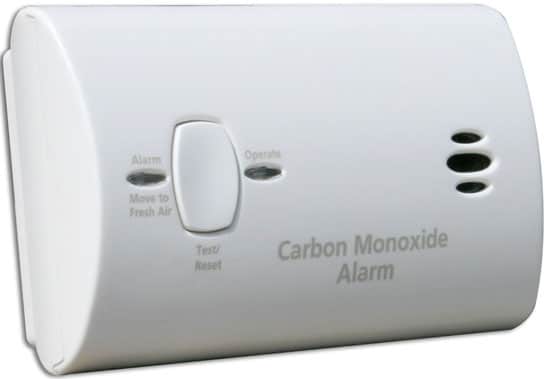
The Grand Retirement: When Your Guardian Needs a Permanent Vacation
But what if you've done the battery swap, and the chirp... just... keeps... on... chirping? Or maybe you changed the batteries last week, and it's at it again? This brings us to the second, less common, but equally important reason for the chirp: your Kidde Carbon Monoxide Alarm has reached the end of its life.
That's right, these amazing little gadgets don't last forever. Like your favorite pair of sneakers or that trusty old coffee maker, they have a lifespan. Most CO alarms are designed to last about 7 to 10 years, and once they hit that magic number, they'll start chirping a special "I'm retiring!" tune to let you know it's time for a replacement.

How do you check? Flip your alarm over! Somewhere on the back or side, you'll find a manufacturing date or an "End of Life" date printed. If that date has passed, or if the unit is older than 7-10 years (check your specific model's manual for the exact lifespan), then it's time to say goodbye and get a shiny new one. Don't ignore this end-of-life chirp! An expired alarm might not be able to detect CO effectively, and that's a risk you absolutely don't want to take.
The Takeaway: Listen to Your Chirp!
So, the next time your Kidde Carbon Monoxide Alarm starts its little serenade, remember: it's not trying to annoy you into oblivion. It's simply communicating, keeping you safe, and reminding you that even superheroes need fresh batteries or a well-deserved retirement. A quick battery change or a brand-new unit is all it takes to keep your home safe and your ears happy. You got this, domestic hero!
