
Kidde Carbon Monoxide Alarm Beeping Every 30 Seconds
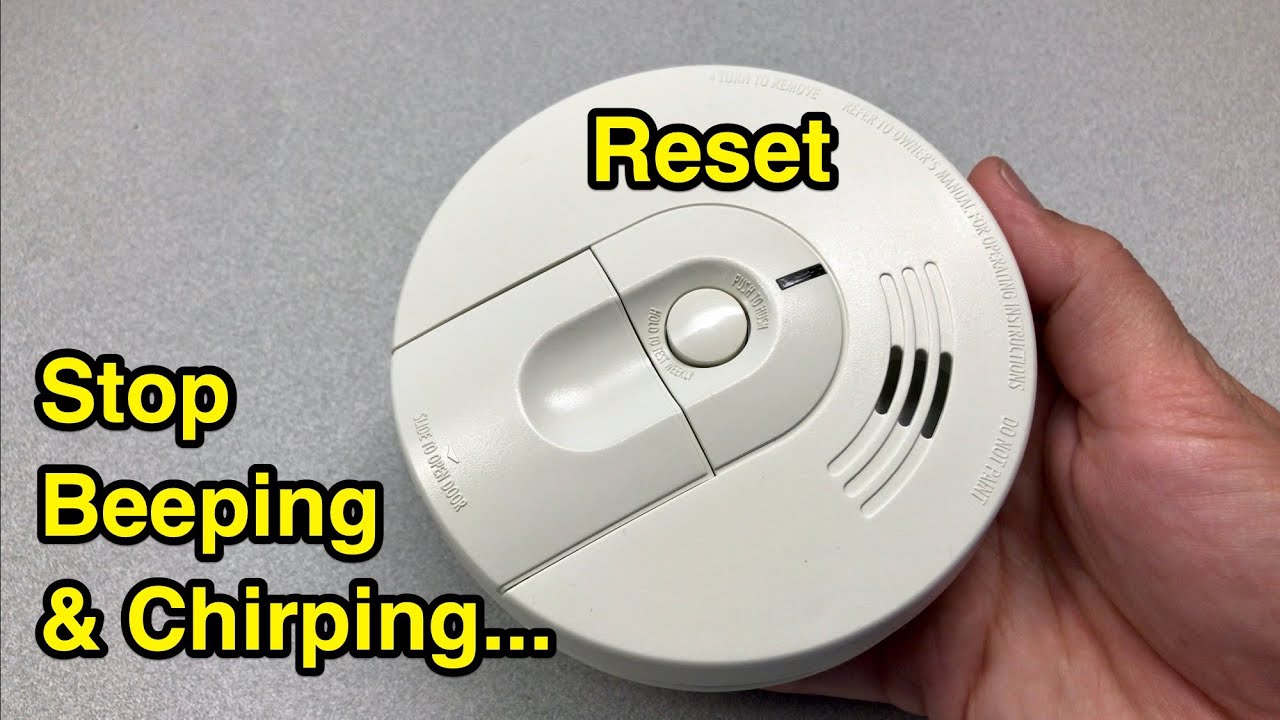
Okay, so picture this: you're just chilling, maybe binging your favorite show, enjoying a quiet evening, and then... BEEP! Thirty seconds later... BEEP! Again. And again. It's like a tiny, persistent alarm clock decided to haunt your home, only it's not actually waking you up, it's just slowly driving you bonkers. Sound familiar?
If your Kidde Carbon Monoxide (CO) alarm has decided to join a bizarre, rhythmic symphony of beeps every 30 seconds, don't worry, you're not alone. And no, your house isn't necessarily trying to communicate with aliens (though, wouldn't that be a twist?). Let's dive into what's likely going on with your chirpy little guardian and get your peace and quiet back!
The Persistent Little Chirp: What's Going On?
That annoying BEEP every 30 seconds from your Kidde CO alarm is basically your alarm trying to tell you something important, but in a rather frustratingly vague way. Think of it as your housemate who just hums pointedly instead of actually asking for the last slice of pizza. While a rapid, urgent beeping means "GET OUT NOW, POSSIBLE CO!" (which is definitely not a 30-second interval), this specific, slower chirp usually points to a few common, easily fixable issues.
Must Read
Most of the time, this particular pattern is a heads-up, not a five-alarm fire. Phew! Your alarm is essentially saying, "Hey! Something needs my attention, and by extension, your attention!"
Suspect #1: The Fading Power Play (Batteries!)
Let's be real, the number one culprit in the "beep every 30 seconds" mystery is almost always the battery. It's the classic tale: batteries power things, batteries run out of power, things complain. Your CO alarm is no different. It’s got that little energy juicebox inside, and when it starts to get low, it throws a digital tantrum.
/cdn.vox-cdn.com/uploads/chorus_asset/file/23356188/best_carbon_monoxide_detector_panel.jpg)
So, your first mission, should you choose to accept it, is to perform a quick battery swap. Grab a fresh set of batteries (check your alarm's manual or the back of the unit for the correct type, usually AA or 9V). Pop open the battery compartment, take out the old ones, give them a fond farewell, and insert the shiny new ones. Make sure they're facing the right way – positive to positive, negative to negative, you know the drill.
Once you’ve done the swap, press and hold the Test/Reset button for a few seconds. This often helps reset the unit and silence that persistent beep. Give it a minute or two. If the beep disappears, congratulations! You've just saved yourself from a symphony of beeps and earned a quiet night. High fives all around!

Suspect #2: The Grand Old Alarm's Retirement Plan (End-of-Life!)
Alarms, much like us after a long day, eventually get tired. They don't last forever! Most carbon monoxide alarms have a lifespan of about 7 to 10 years. After this time, their sensors might not be as reliable as they once were, so they're designed to give you an "end-of-life" signal – and guess what that often sounds like? Yep, a beep every 30 seconds!
To check if your alarm is ready for its well-deserved retirement, flip it over or check the side. You'll usually find a "replace by" date or a manufacturing date. If your alarm has passed its prime, it's time to graciously thank it for its service and replace the entire unit. Think of it as a mandatory upgrade for your home's safety squad. Don't try to just replace the battery if it's past its expiry date – the whole unit needs to go!

Hold On, Is It Really Carbon Monoxide? (Probably Not, But Be Smart!)
Now, while we've established that a beep every 30 seconds is usually a battery or end-of-life issue, it’s always, always, always important to differentiate this from an actual carbon monoxide alert. A real CO emergency alarm sounds very different: it’s typically a much louder, more rapid, and continuous series of four quick beeps followed by five seconds of silence, repeated over and over. That's the sound that means "Evacuate immediately!"
If there's ever any doubt, or if you feel unwell (headache, dizziness, nausea – symptoms of CO poisoning), get fresh air immediately and call 911 or your local emergency services. Better safe than sorry, always! But for the standard 30-second chirp, you're almost certainly dealing with a non-CO-related issue.
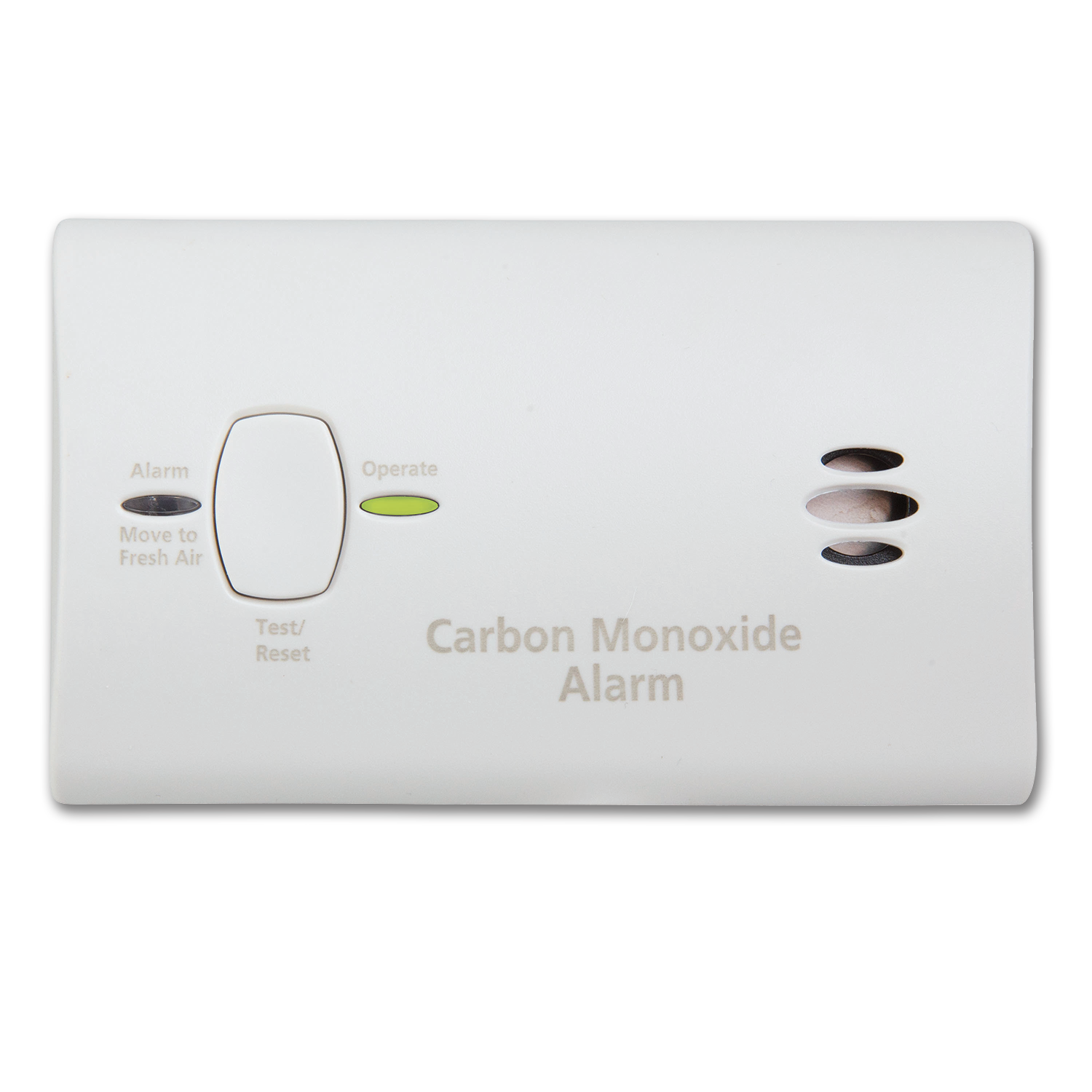
Still Beeping? A Few More Tricks Up Our Sleeve!
You’ve changed the batteries, checked the date, and it’s still performing its little auditory dance? What gives?! Don't throw it out the window just yet. Here are a couple more things to try:
- Give it a Gentle Clean: Sometimes, dust bunnies or cobwebs can interfere with the sensor. Carefully wipe down the alarm with a soft, damp cloth. Avoid harsh chemicals, please!
- The Hard Reset: If your alarm has a removeable battery, sometimes taking the battery out for 15-30 seconds (or even a minute) and then putting it back in can perform a "hard reset" and clear any lingering glitches. Think of it as hitting Ctrl+Alt+Del for your CO alarm.
And Finally, Peace and Quiet (and Safety!)
Dealing with a beeping alarm can be a minor headache, but it’s a small price to pay for the peace of mind that comes with knowing your home is safe from the silent killer, carbon monoxide. Your Kidde alarm, despite its chirpy antics, is ultimately doing its job: protecting you and your loved ones. By understanding what that 30-second beep means, you've become a mini-detective, a household hero, and the bringer of silence back into your sanctuary.
So, go forth, conquer that chirp, and enjoy the blissful quiet. You've earned it! And remember, a functioning CO alarm is always a cause for a big, happy smile. Stay safe and sound, my friend!