
Key Card Entry Systems For Buildings

Remember the good old days of jingling a heavy set of keys? Perhaps you still do for your home, but step into almost any modern office, apartment building, or gym, and you’ll encounter a sleek, silent guardian: the key card. These unassuming plastic rectangles have quietly revolutionized how we interact with our spaces, turning a simple door into a moment of modern magic.
With a gentle swipe, a confident tap, or sometimes just a pocket-deep presence, a usually locked door swings open. It’s a small, satisfying ritual that has become part of our daily lives, often without us giving it a second thought. Yet, behind that simple interaction lies a world of tiny dramas, surprising conveniences, and even heartwarming connections.
The Comedy of the Card
We’ve all been there: standing sheepishly in front of a locked door, patting every pocket, bag, and forgotten corner. The dreaded moment when you realize your key card is nowhere to be found, or worse, is sitting comfortably on your desk inside the very room you're trying to enter. It’s a universal experience, uniting us in a shared moment of self-inflicted exile.
Must Read
Then there's the classic mix-up. Your brain, in its morning fog, pulls out the wrong plastic rectangle. You swipe your library card, your frequent flyer card, or even your credit card with determined gusto. The door, of course, remains stubbornly shut, leaving you to perform a quick, embarrassed shuffle as you finally locate the correct key to your kingdom.
"I once tried to open my office door with my gym membership card three times before I realized my mistake," confessed Mark, a graphic designer. "The door just stared back, judging me."
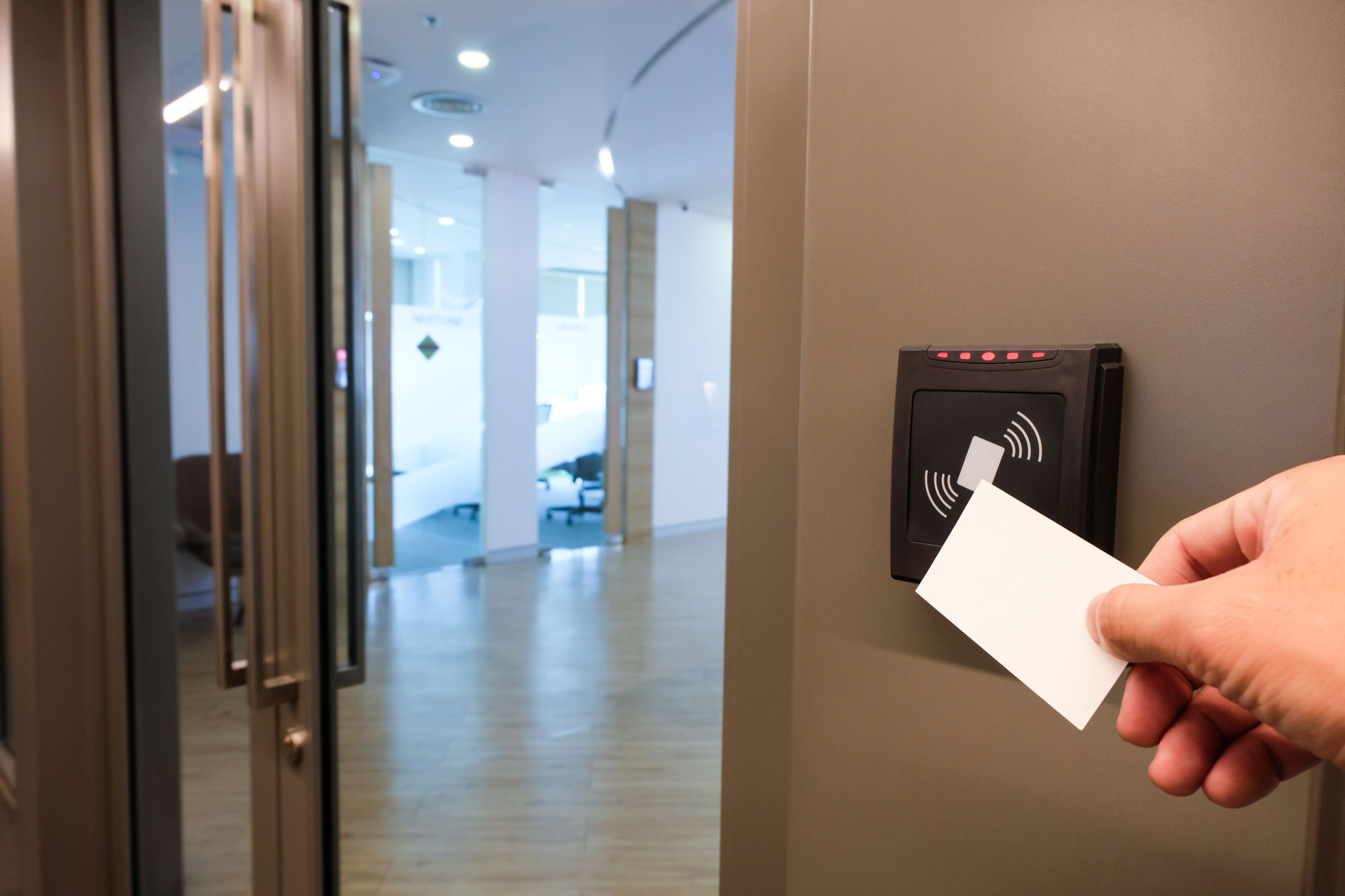
The "door dance" is another common spectacle. You swipe, it doesn't work. You swipe again, faster. Then slower. You try flipping the card. You even angle your body, as if a new perspective will convince the sensor. Sometimes, a gentle tap is all it needs, proving that even advanced technology appreciates a subtle hint.
The Accidental Samaritan
These moments of minor key card crisis often lead to unexpected acts of kindness. Just as you're about to give up and make the long walk back to security, a friendly face appears. They see your predicament, offer a sympathetic smile, and then, with a flourish, open the door for you with their own card. It's a small gesture, but it can feel like a superhero rescue.
These brief interactions build tiny bridges in our communities. We might not know each other's names, but a shared moment of key card forgetfulness creates a fleeting, human bond. It reminds us that even with all our technology, we still rely on each other.
Beyond Just Opening Doors
Key card systems do so much more than replace old-fashioned metal keys. Think about the sheer convenience: if a card is lost, it can be deactivated instantly, rendering it useless. No need to rekey an entire building, saving immense time and money. It’s a silent guardian, working tirelessly behind the scenes.
![Commercial Key Fob and Key Card Entry Systems: a Guide [2022 edition]](https://assets-global.website-files.com/606184adb7296d59f51c3323/63dbac534ca8243a7faadd3d_key fob entry system for buildings.webp)
For apartment dwellers, a key card often grants access not just to their home, but to shared amenities. The gym, the pool, the laundry room – all unlocked with that same handy piece of plastic. It’s like having a master key to your entire living ecosystem, simplifying access while maintaining security.
In offices, key cards ensure that only authorized personnel can access sensitive areas. This isn’t just about keeping things secure; it’s about creating a safe and controlled environment for everyone. It helps track who is in the building during an emergency, a vital, often unappreciated, layer of safety.
The Smart Evolution
The evolution of the key card is also quite fascinating. From simple magnetic strips that required a precise swipe, we've moved to RFID (Radio-Frequency Identification) cards that need only a tap or even proximity. Now, many systems allow your smartphone to become your key card, adding another layer of seamless integration into our digital lives.
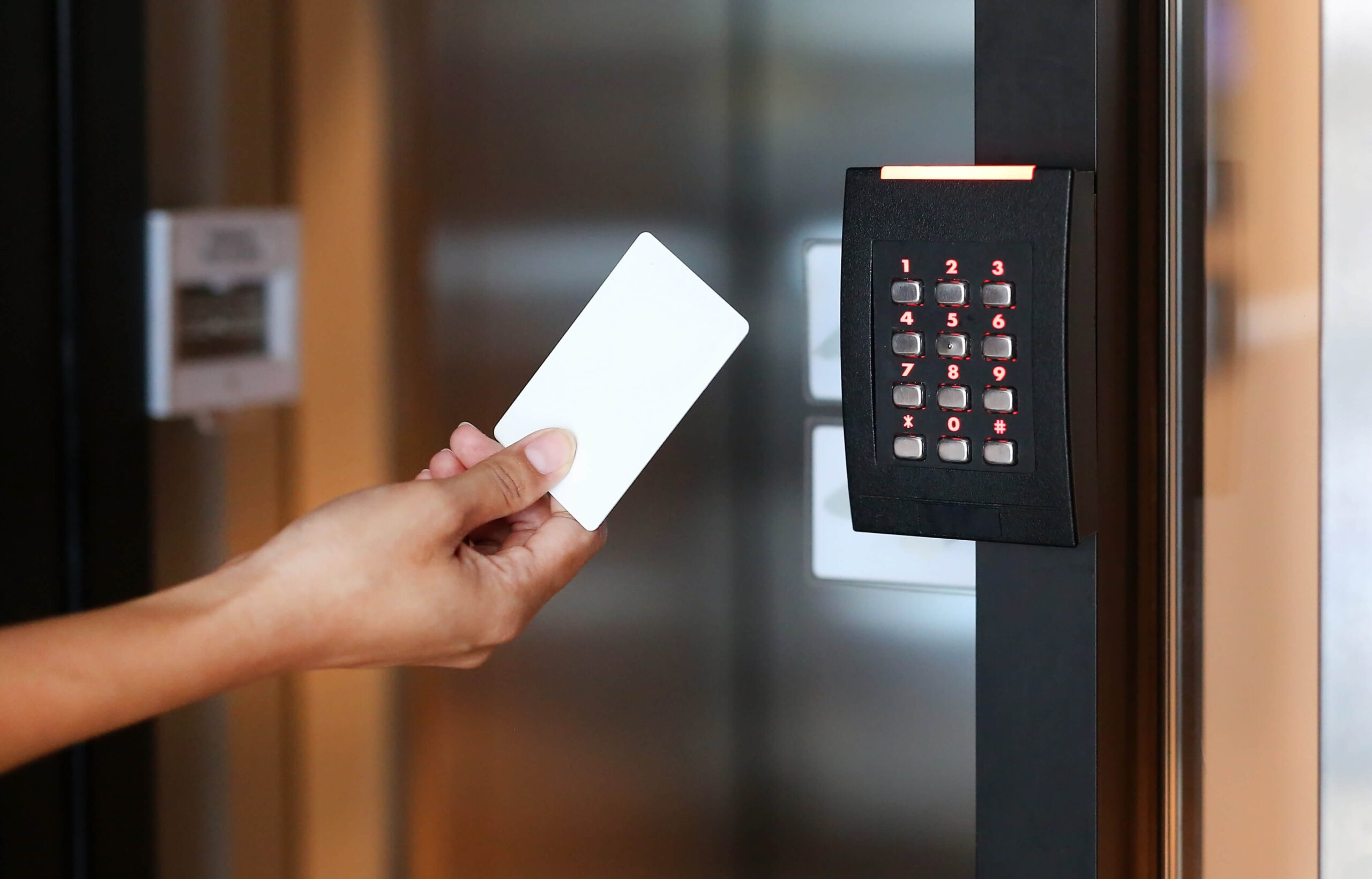
Imagine walking into your building, your phone still in your pocket, and the door simply unlocks. This blend of passive entry and personal device is the next frontier, making access even more invisible and intuitive. It’s a testament to how technology aims to simplify, not complicate.
Heartwarming Connections
Beyond the practical and the humorous, key cards sometimes play a role in heartwarming moments. Consider the child, barely tall enough to reach the reader, proudly swiping their parent's card to open the apartment door. It's a small act of independence, a taste of adulthood, made possible by that simple piece of plastic.
Or the building manager, who, through years of observing key card entries, learns the routines of residents. They might know when to expect Mrs. Henderson for her morning swim or Mr. Lee for his evening walk. The key card facilitates entry, but the human observation builds a sense of community and care.
"Our doorman, Frank, knows everyone by face," shared an elderly resident. "But he also knows if someone's card isn't working before they even realize it, always ready with a smile and a solution."
Pets often get in on the action too. The sound of a specific beep from the card reader can signal their human’s arrival, sending tails wagging and purrs rumbling. The key card, in this sense, becomes a harbinger of joy, a tiny signal that their favorite person is home.
The Future is Friendly
As technology advances, our key cards might disappear altogether, replaced by biometric scans or even more seamless digital integrations. Yet, the spirit of convenient and secure access will remain. The goal is always to make our environments safer, more efficient, and easier to navigate.
For all their quiet efficiency, key card entry systems are more than just bits of plastic and electronic readers. They are part of the daily rhythm of our lives, sparking laughter, fostering small acts of kindness, and subtly shaping our experience of community and belonging. The next time you tap your card, take a moment to appreciate the humble yet powerful tool in your hand.