Japanese Blueberry Tree Pros And Cons
Thinking about adding some greenery to your yard? The Japanese Blueberry tree, with its glossy leaves and manageable size, is a popular choice. But before you rush out and buy one, let's dive into the fun – and slightly less fun – aspects of owning this evergreen beauty. Consider this your quick and cheerful guide to the pros and cons, helping you decide if it's the perfect fit for your outdoor space. It's like speed dating for plants, ensuring you find "the one"!
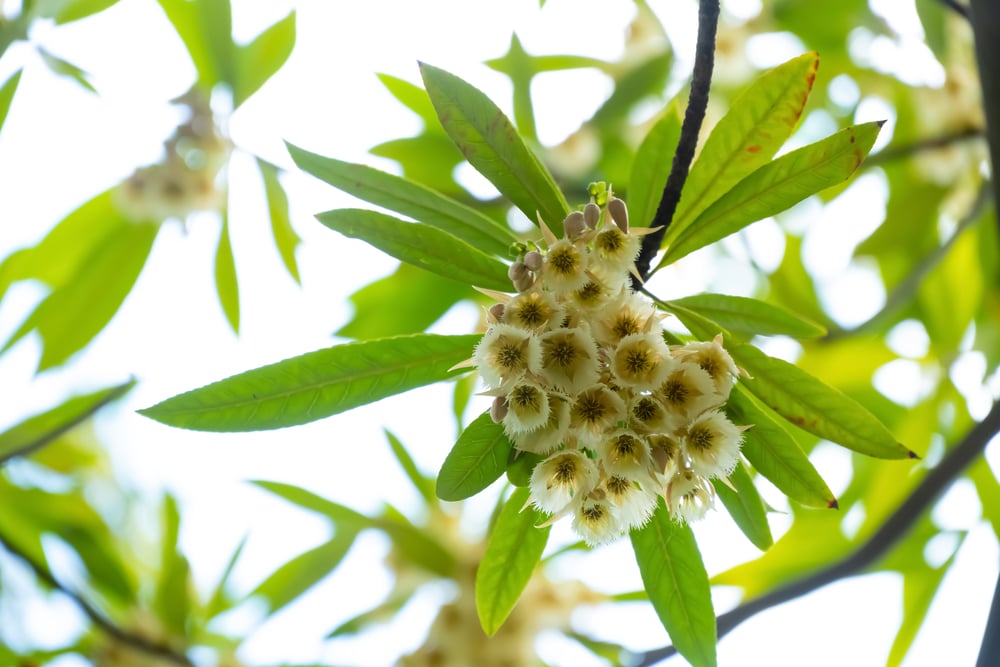
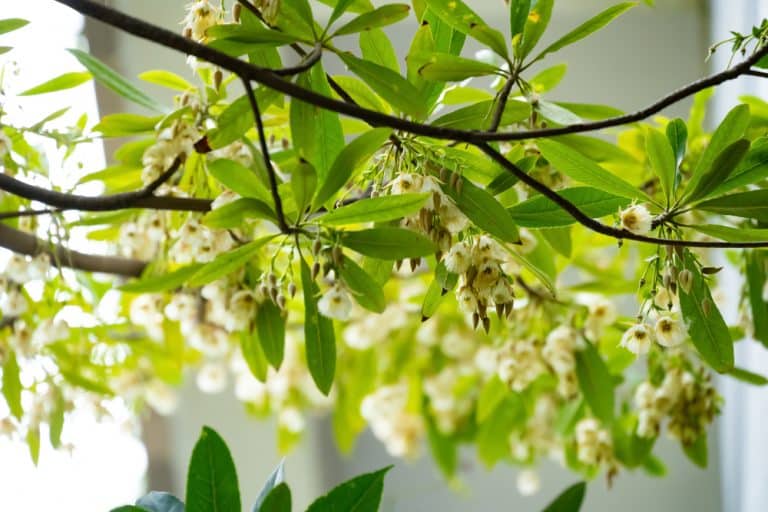
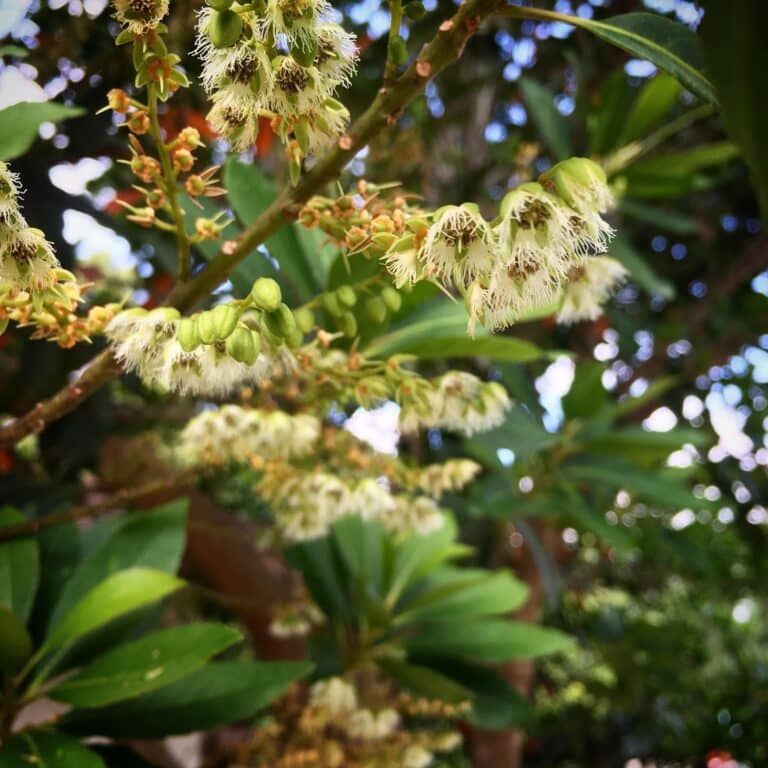
So, what's the purpose of a Japanese Blueberry tree? Beyond just looking pretty, these trees offer several benefits. Their dense foliage creates a natural screen, providing privacy and acting as a windbreak. They also offer a touch of elegance with their reddish new growth and, in warmer climates, dainty white flowers that attract pollinators. They can be grown as a small tree, a large shrub, or even trimmed into formal hedges, making them quite versatile for different landscaping styles. Imagine sipping lemonade on your patio, shielded from the sun and prying eyes by your very own living wall!
Now, let's explore the pros in more detail:
Must Read
- Evergreen Appeal: Say goodbye to bare branches in winter! The Japanese Blueberry keeps its leaves year-round, providing continuous visual interest.
- Relatively Low Maintenance: Once established, these trees are fairly drought-tolerant and don't require excessive pruning. They're not divas demanding constant attention.
- Adaptable: They can tolerate a range of soil conditions and light levels, although they prefer well-drained soil and full to partial sun.
- Pest and Disease Resistant: Japanese Blueberry trees are generally resistant to major pests and diseases, saving you time and worry.
- Privacy Screen Potential: As mentioned, they're excellent for creating natural barriers, adding value and tranquility to your property.
Of course, no plant is perfect. Let's peek at the cons:
- Berry Mess (Sometimes): While they're called blueberry trees, the berries they produce aren't particularly tasty for humans (though birds love them!). In some cultivars and climates, these berries can be messy when they drop.
- Cold Sensitivity: They're not super cold-hardy. In colder climates (below zone 8), they may suffer damage during harsh winters. Protection is key!
- Slow Growth: While this might be a pro for some, others might find their relatively slow growth rate frustrating if they're looking for instant impact.
- Potential Size: While manageable, they can eventually reach a significant size (up to 20-30 feet tall), so proper placement is crucial to avoid future issues with power lines or obstructing views.
In conclusion, the Japanese Blueberry tree is a fantastic option for many homeowners, offering beauty, privacy, and relatively easy care. Just weigh the potential berry mess, cold sensitivity, and growth rate against the many benefits it provides. With a little planning and proper care, this evergreen can be a thriving and valuable addition to your landscape. Happy gardening!