
Is There An Expiration Date On Infant Car Seats

Ah, the joys of new parenthood!
Remember that exciting, slightly overwhelming trip to the baby store?
Everything sparkling, new, brimming with the promise of tiny adventures.
Must Read
You spent weeks preparing, nesting, planning every detail.
Among the most important items was the infant car seat.
It had to be the best, the safest, your precious cargo's protective cocoon.
You probably dove deep into online reviews, right?
Comparing crash test ratings, fabric choices, and ease of installation.
This was serious business, a fortress on wheels for your little one.
Then, one day, usually months or even years later, you stumble upon it.
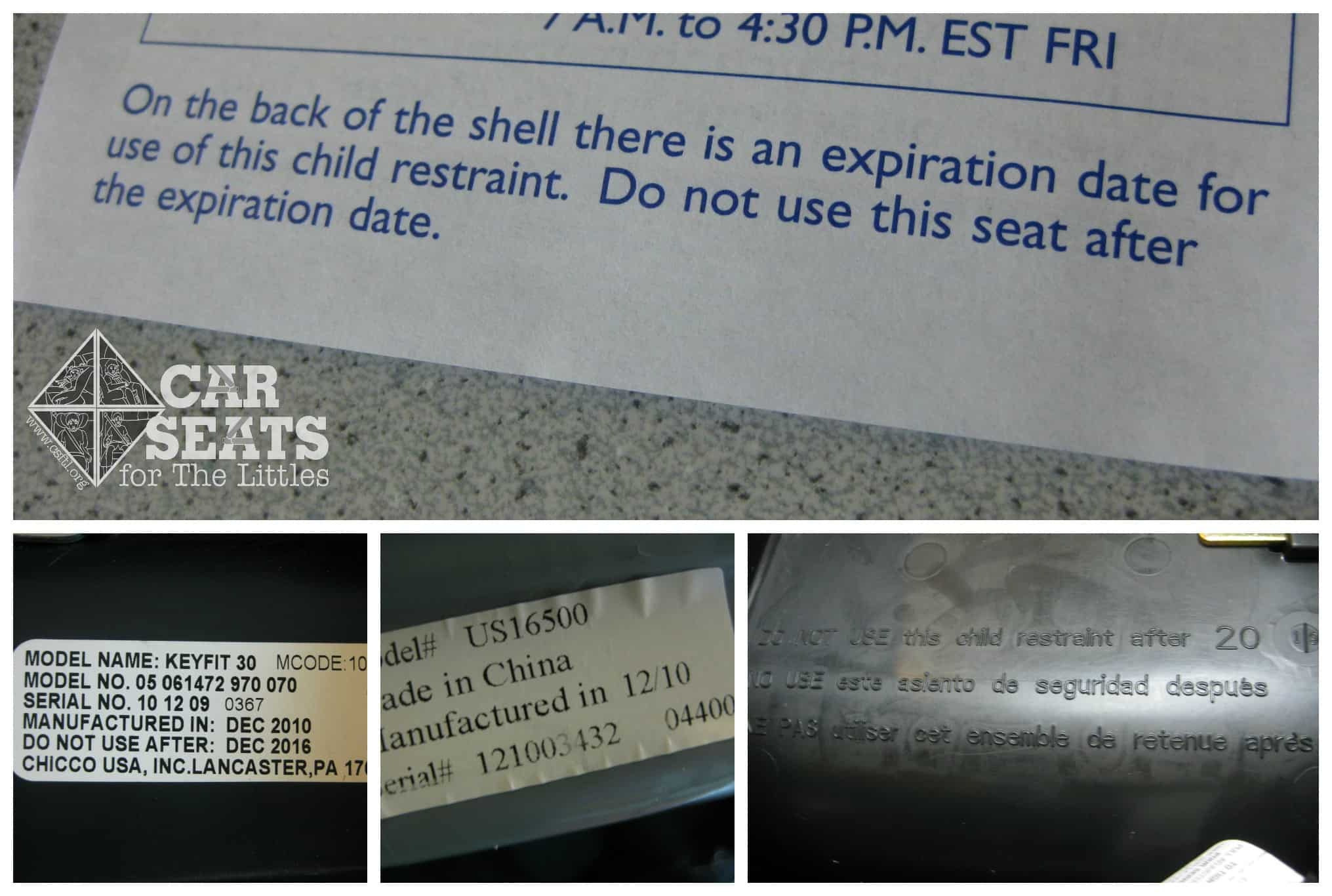
A tiny, unassuming sticker, often tucked away in an obscure corner.
It carries a secret, a rather unsettling piece of information.
The Great Car Seat Expiration Revelation
Your beautiful, expensive, seemingly indestructible car seat?
It has an expiration date.
Cue the dramatic gasp! Did you just read that right?
This isn't like finding old chips or suspiciously bloated milk.
This is a sturdy piece of safety equipment, not perishable food!
You don't expect a car seat to suddenly turn sour, do you?
Yet, the date is undeniable, printed there for all to see.
Typically, it's about six or seven years from the date of manufacture.
Long after your infant has outgrown the seat, or just as you planned for a second child!
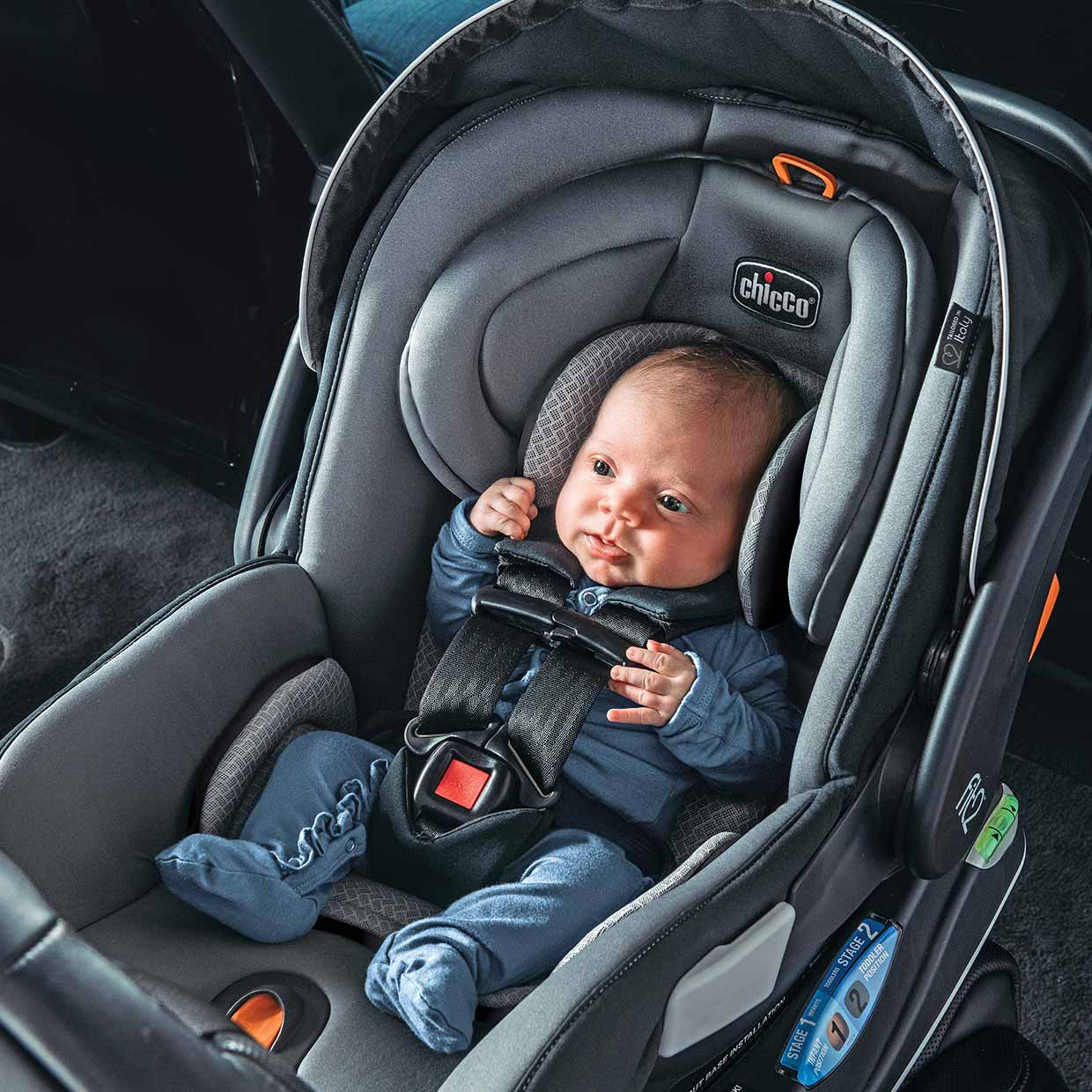
"Wait, what? My car seat expires? Is this a prank?"
The shock gives way to a quizzical frown.
You double-check, thinking you must have misread it.
But no, the numbers are clear, the warning is real.
A Perfectly Good Chair, Demoted to Landfill Material
This is precisely where my "unpopular opinion" playfully winks.
You gaze at that car seat, perhaps used for just one little darling.
It's usually still in absolutely fantastic, almost showroom, shape.
Sure, it might bear the honorable battle scars of parenthood.
Maybe a faint outline of a spilled smoothie or a stray cheerio.
But structurally? It looks utterly perfect.
The straps feel strong. The buckles still click with satisfying authority.
The fabric, while possibly a tad worn, is intact and robust.
It feels solid. It looks ready for another round of tiny passengers, doesn't it?
Then that dreaded expiration date looms closer.
Suddenly, your perfectly capable, visibly safe car seat becomes a pumpkin at midnight.
It transforms from vital baby gear to… well, trash, essentially.
It feels a little like your trusty toaster oven expiring, even though it still toasts bread.
Or your sturdy kitchen table suddenly being declared "past its prime."
It just sits there, looking impeccably functional, yet deemed obsolete.

A genuine head-scratcher for many of us, indeed.
The Mystery of the Vanishing Safety Molecules
What exactly happens on that fateful expiration day?
Does a mischievous car seat gremlin sneak in and loosen bolts?
Does the high-grade plastic suddenly decide to become brittle overnight?
Is there a little secret timer embedded deep within, counting down?
Perhaps the "safety molecules" just decide to collectively pack their tiny bags and depart.
It's a whimsical mystery, worthy of a bedtime story for confused adults.
We are, of course, told it's about material degradation over time.
Plastic polymers can weaken due to temperature fluctuations, sunlight, and daily stresses.
Even cleaning products can play a role, apparently.
And let's not forget, safety standards are constantly evolving.
Newer models often boast advanced features and improved crash test performance.
This is undeniably a good thing, pushing the boundaries of protection.
But does that automatically render the old car seat unsafe the very second the clock ticks past its date?
It's a question that whispers in the back of a frugal parent's mind.
A question born of curiosity and a slight pang in the wallet.
"My car seat looks totally fine! Are they just trying to sell me another one?"
It's a thought many parents have, probably whispered guiltily into a pillow.
Because let's be honest, car seats aren't exactly budget-friendly impulse buys.
Replacing one, when the old one seems perfectly capable, feels like a significant financial hit.
It feels like a modern paradox, doesn't it?
We strive for sustainability, yet are told to discard something that appears perfectly usable.
The consumer in us clashes with the environmentalist, and the parent just wants safety.
The Heartbreaking Hand-Me-Down Dilemma
This expiration date rule creates a truly heartbreaking pickle for hand-me-downs.
Picture this: a dear friend offers their perfectly preserved car seat.
It's sparkling clean, practically new, and best of all—it's free!
Your heart leaps with joy at the thought of saving a hefty sum.
You inspect it. It’s glorious. No stains, no rips, no obvious flaws.
Then, your gaze lands on that dreaded expiration sticker.
Gasp! It's already expired, or perilously close.
Suddenly, that free, perfect-looking car seat, a beacon of generosity, becomes a no-go.
It's like finding a treasure chest, only to discover it's filled with legally worthless gold.
The mental gymnastics begin: "But it was only used for six months!"
You try to rationalize, to find a tiny loophole in the system.
But the expiration date is a stern, unyielding master. It demands adherence.
The Future of Fading Plastics and Parental Peace of Mind
So, where do we ultimately stand on this curious conundrum?
As devoted parents, our primary goal is, without question, to keep our little ones as safe as humanly possible.
We read the manuals, we follow the rules, and yes, we scrupulously check those dates.

But deep down, there's always that little, playful voice.
The one that wonders if a car seat, like a trusty pair of worn-in jeans, might have a little more safe life in it.
The one that sighs at perfectly good plastic heading off to a landfill, seemingly prematurely.
Perhaps, in some glorious future, technology will bless us with truly intelligent car seats.
Seats equipped with sophisticated, built-in degradation sensors, capable of real-time analysis.
Imagine a little light that glows an undeniable red only when the plastic is actually, verifiably compromised.
A definitive, scientific "no more safe" signal, instead of just a calendar date.
Until that futuristic marvel arrives, we nod, we sigh, and we reluctantly buy new.
We replace the perfectly good, clean, structurally sound, yet officially "expired" car seat.
Because when it comes to the safety and well-being of our children, we simply do not take chances.
Even if our logical, sometimes frugal, brain wants to argue the point playfully.
We prioritize that precious peace of mind above all else.
But can we still playfully wonder, out loud and with a grin?
Can we still give a knowing, sympathetic wink to fellow parents facing the same bewildering dilemma?
Absolutely. It's part of the shared parenting experience, isn't it?
And then, with a sigh and a determined click, we go online to find the next "perfect" car seat.
Another adventure in baby gear, another round of budget discussions.
And perhaps, another expiration sticker to eventually uncover, restarting the cycle of wonder and mild frustration.
The great car seat expiration saga continues, one perfectly good seat at a time!