Is The Dodge Viper A Muscle Car
Okay, let's settle this once and for all. Is the Dodge Viper a muscle car? It's a question that's probably sparked more arguments than whether pineapple belongs on pizza (and let's be real, that's a hot topic!).
Think about it this way: You’re at a family barbecue. Your uncle, the one who always wears a Ford Racing t-shirt, is holding court. He's telling anyone who'll listen about his '69 Mustang. He mentions 'muscle car.' What pops into your head? Probably something big, loud, American, and maybe a little bit dangerous. Like, the kind of car your mom would definitely disapprove of.
Now, picture a Viper pulling up. Does it fit that image? Let’s dive in…
Must Read
The Case For: Raw, Untamed Power
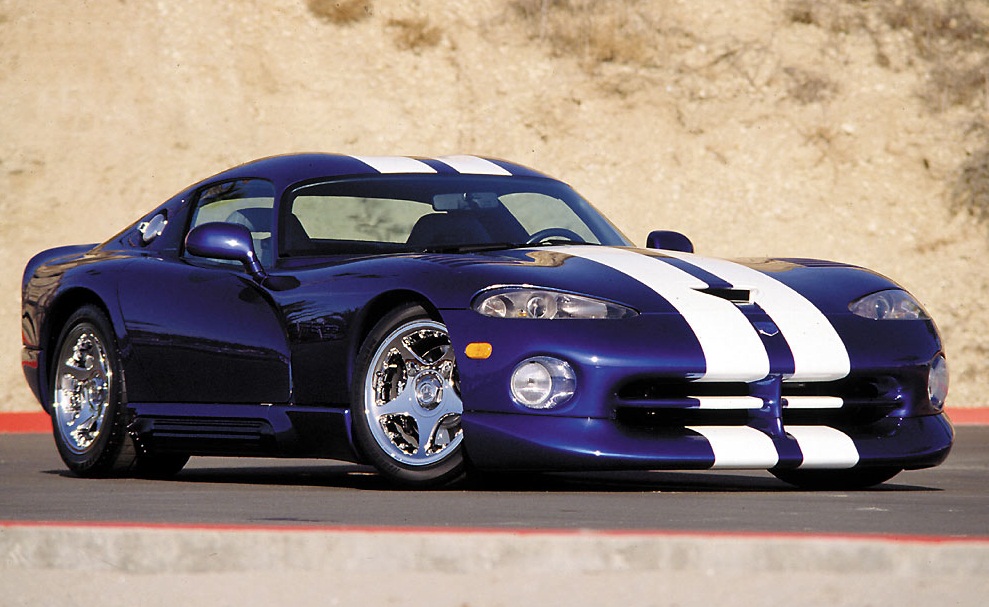
Let’s face it, the Viper is all about power. We're talking massive engines. I mean, seriously, who needs ten cylinders? (Apparently, Dodge thought we did.) It's like they were compensating for something... maybe the lack of driver aids for a while? The early Vipers were notoriously… challenging to drive. Like taming a wild bronco, but with more potential for ending up sideways in a ditch. Pure, unadulterated horsepower.
And the styling? Aggressive, low-slung, and screaming "look at me!" It's the automotive equivalent of that guy at the gym who skips leg day but spends three hours on his biceps. Visually striking, undeniably.

Plus, Vipers are definitely American. Born and bred in the USA. So, on that front, it checks all the boxes.
The Case Against: A Different Breed of Beast
Here's where things get a little more complicated. Muscle cars, traditionally, are about more than just power. They're often relatively affordable (at least when they were new) and designed for straight-line speed. Think drag racing at the local track on a Friday night. The Viper, on the other hand, always felt a bit more…sophisticated. Or, at least, aiming for sophisticated.
It’s like comparing a sledgehammer to a scalpel. Both can do damage, but they're designed for very different purposes. The Viper's handling, while initially…ahem…lively, was eventually honed to be quite impressive on a track. It was built to turn, to brake, to do more than just go fast in a straight line. That puts it closer to the sports car category.

And let's not forget the price tag. Vipers were never cheap. They were the "I just made partner at the law firm" kind of car, not the "I'm working two jobs to make ends meet" kind of car that muscle cars often represented. Exclusivity set it apart.
So, What's the Verdict?
Honestly? It's complicated. The Viper lives in a grey area. It's like that friend who hangs out with both the jocks and the nerds – it fits in, but doesn't quite belong in either group.

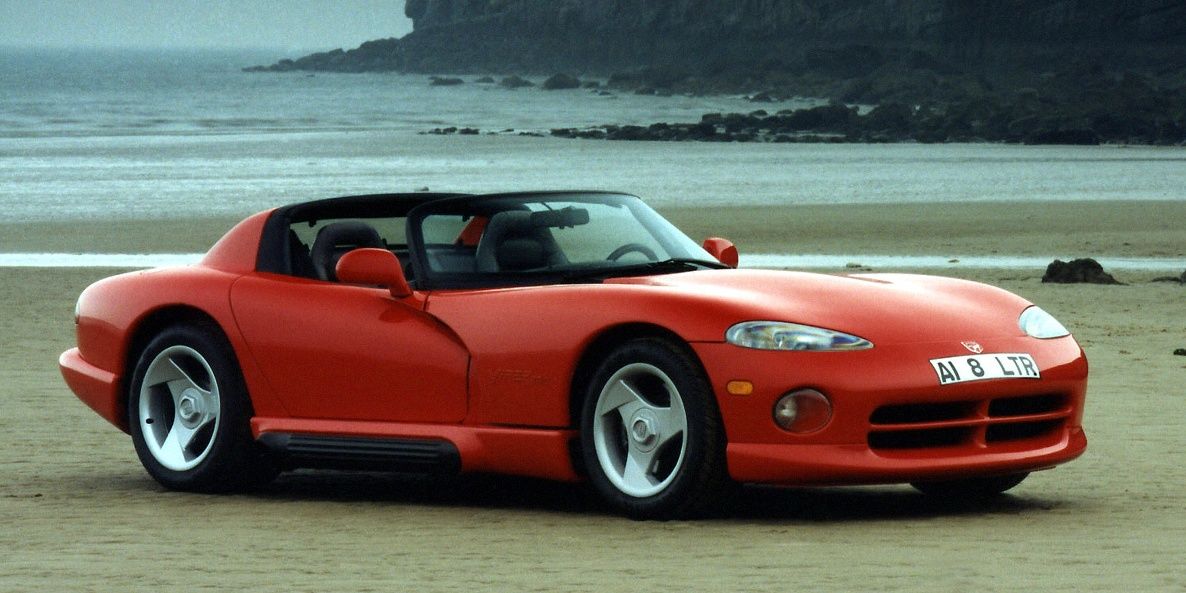
Maybe the best answer is that the Viper is a modern muscle car. Or maybe it's a grand tourer with a serious anger management problem. Or maybe it's just… a Viper. A unique, iconic machine that doesn't neatly fit into any pre-defined box.
Ultimately, does it really matter? If you see a Viper roaring down the street, are you going to stop and debate its classification, or are you just going to appreciate the sheer awesomeness of it all? I think we all know the answer to that.
So, next time you're at that barbecue, and your uncle starts holding forth on muscle cars, just smile, nod, and quietly contemplate the glorious, slightly unhinged beauty that is the Dodge Viper. And maybe suggest he tries one out sometime… if he's brave enough!