Is The Astrazeneca Pharmaceuticals Low Oxalates List Correct
.png?format=500w)
For many, the world of low-oxalate diets can feel like navigating a complicated maze. It’s often a journey undertaken to manage discomfort, improve well-being, and regain control over their health. At the heart of this quest lies a crucial tool: food lists that supposedly tell you which foods are safe to eat and which to avoid.
But what happens when the map itself is potentially flawed? This is the question many people are asking about the AstraZeneca Pharmaceuticals low oxalate list. It’s been a go-to resource for years, but whispers of inaccuracies and inconsistencies have left many wondering: can it truly be trusted?
The benefits of a low-oxalate diet, when properly implemented, are significant. Oxalates are naturally occurring substances found in many foods. For some individuals, particularly those prone to kidney stones or with conditions like vulvodynia or autism, high oxalate intake can exacerbate symptoms. By reducing oxalate consumption, these individuals often experience relief from pain, improved kidney function, and better overall health. The purpose of these lists is to provide a clear and concise guide, empowering individuals to make informed food choices and stick to a diet that supports their well-being.
Must Read
Common examples of how the AstraZeneca list is applied are varied. Someone newly diagnosed with oxalate sensitivity might use it to overhaul their entire pantry, replacing high-oxalate staples with safer alternatives. Others might use it as a quick reference guide when dining out or grocery shopping, helping them make on-the-spot decisions about what to eat. Still others might use it to cross-reference with other low-oxalate lists to get a broader overview.

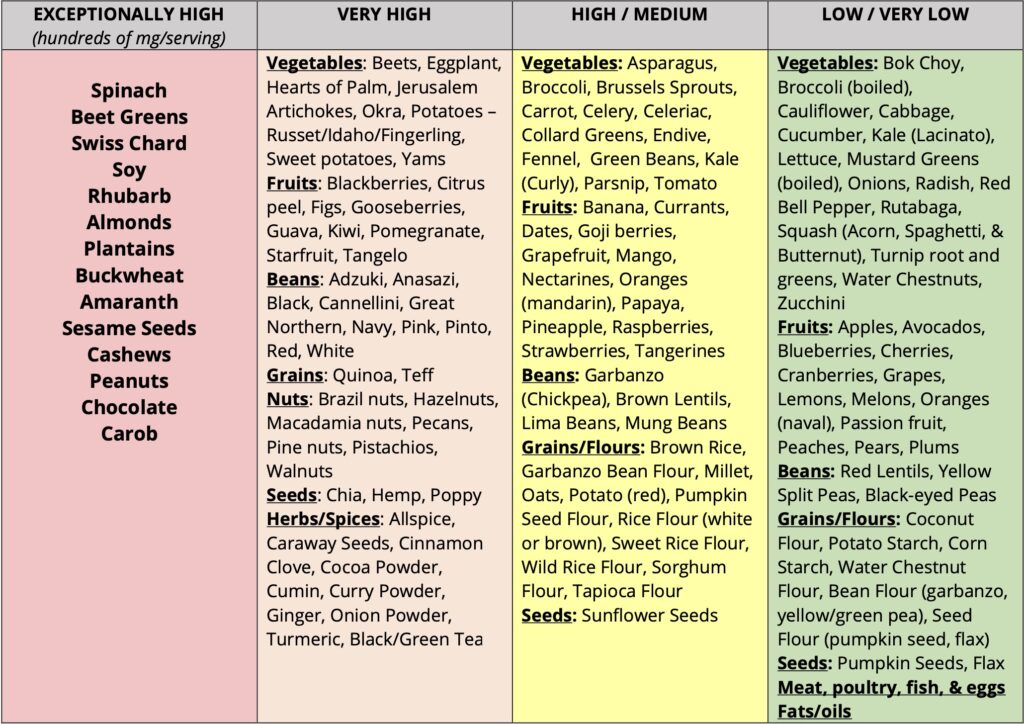
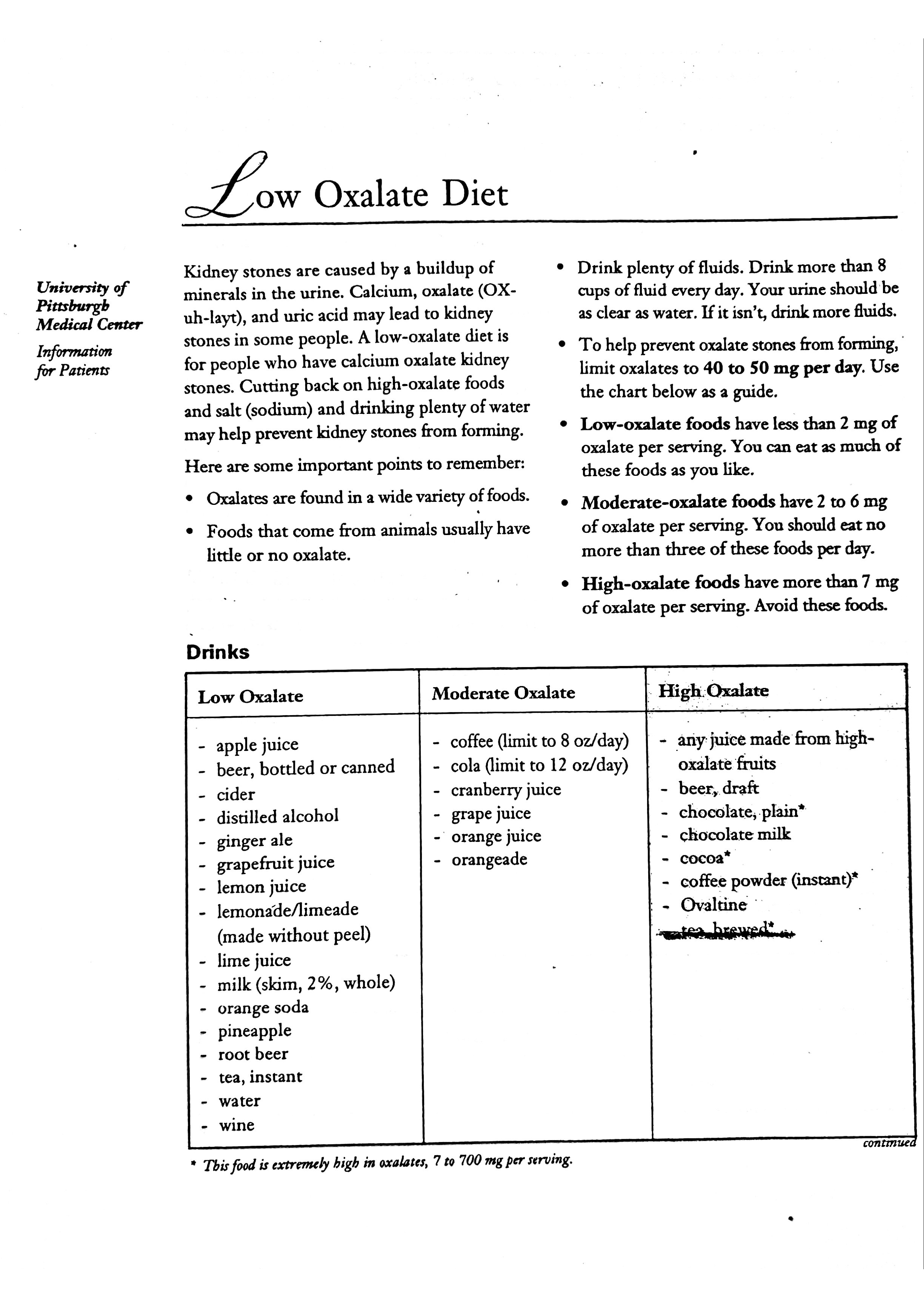
So, is the AstraZeneca list correct? The truth is more nuanced than a simple yes or no. While it served as a valuable starting point for many years, growing evidence suggests it contains inaccuracies. Some foods listed as low oxalate may, in fact, be moderately or even high in oxalates. Conversely, some foods restricted on the list might be perfectly acceptable in moderation.
This discrepancy stems from several factors. Firstly, oxalate content in foods can vary significantly based on factors like growing conditions, ripeness, and preparation methods. Secondly, early testing methodologies may not have been as precise as those used today. Finally, the AstraZeneca list was never intended to be the definitive authority, but rather a resource for initial guidance.
So, how can you navigate this confusing landscape more effectively? Here are some practical tips:
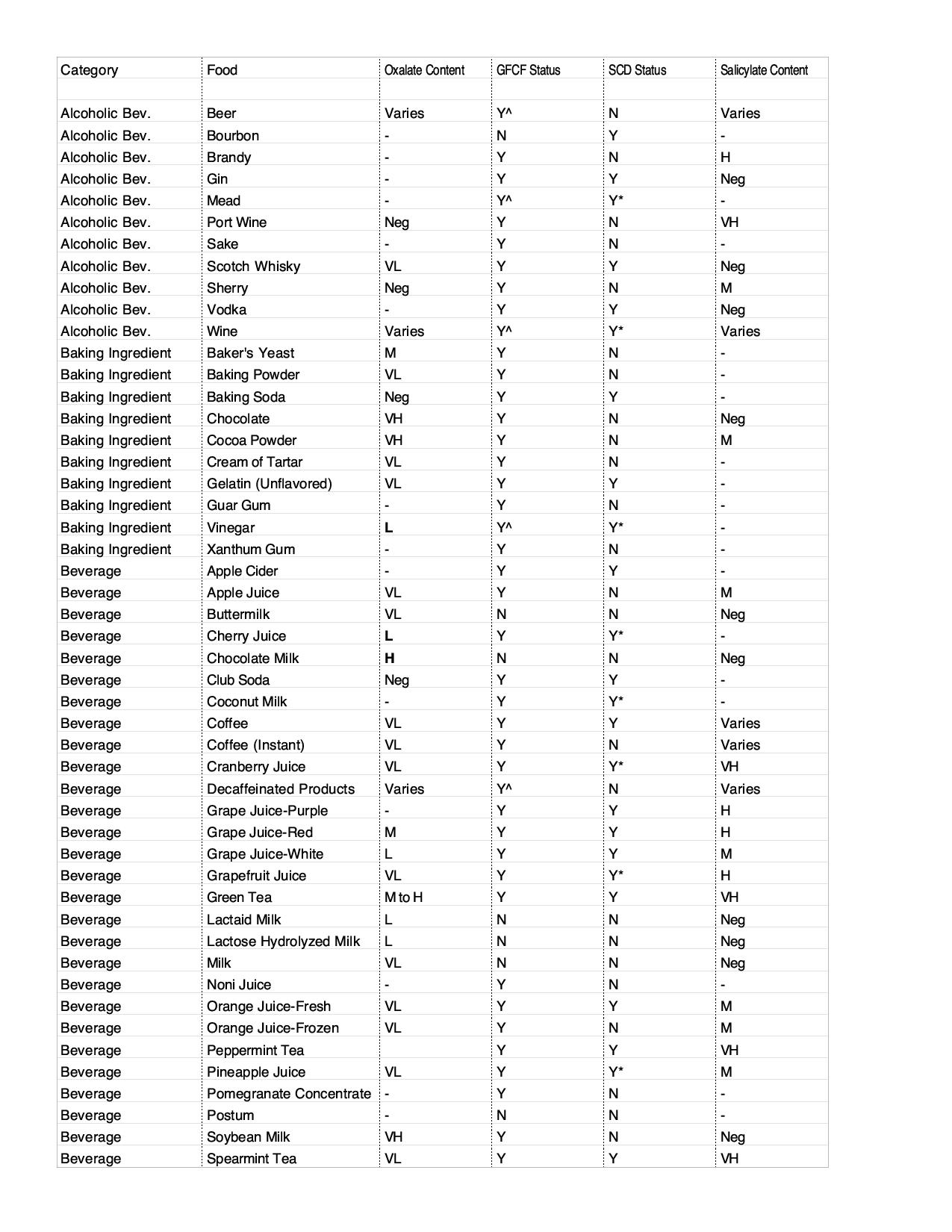
- Don’t rely solely on one list. Cross-reference the AstraZeneca list with other reputable sources, such as the VP Foundation or Jill Harris's work. The more data you have, the better informed your choices will be.
- Listen to your body. Pay close attention to how different foods affect you. Keeping a food journal and tracking your symptoms can help you identify your individual oxalate tolerance.
- Cook strategically. Certain cooking methods, like boiling, can reduce the oxalate content of some foods.
- Work with a healthcare professional. A registered dietitian or doctor specializing in oxalate metabolism can provide personalized guidance and help you develop a sustainable and balanced low-oxalate diet.
- Embrace experimentation with caution. When introducing new foods, start with small portions and monitor your reaction.
The AstraZeneca Pharmaceuticals low oxalate list played a pivotal role in the low-oxalate community, but it's crucial to approach it with informed skepticism. By combining it with other resources, paying attention to your body's signals, and working with healthcare professionals, you can navigate the low-oxalate world with greater confidence and achieve the health benefits you seek.