
Is Sugar Dissolving A Chemical Change
:max_bytes(150000):strip_icc()/white-sachet-with-crystalline-powder-stirred-into-water-glas-480982211-5acb6bb5119fa80037f3a6db.jpg)
Hey there, curious minds! Ever watched sugar disappear into your tea and wondered what's really going on? Is it just hiding, or is something... changing? We're diving into the sweet science of dissolving sugar today, and trust me, it's more interesting than you might think!
So, is sugar dissolving a chemical change? The short answer is: no. But let's break that down so it makes sense. Think of it like this: imagine you’re having friends over. You can have them all sitting neatly in the living room (that’s sugar in its crystal form), or you can have them mingling throughout the house (that’s sugar dissolved in water). They're still your friends, right? They haven't transformed into cats or dishwashers! They're just... spread out differently.
Physical vs. Chemical Changes: The Big Showdown
To understand why dissolving sugar isn't a chemical change, we need to understand the difference between physical and chemical changes. Imagine ripping a piece of paper. That's a physical change. You've changed its appearance, but it's still paper. You haven't created something entirely new.
Must Read
Now, imagine burning that piece of paper. That's a chemical change! You're left with ash, smoke, and heat. The paper has been transformed into completely different substances. It's a one-way ticket – you can't un-burn it back into paper! Think of baking a cake: you mix ingredients, apply heat, and poof you have a cake. You can't unbake it back to the raw ingredients!
Sugar's Grand Disappearing Act
When sugar dissolves, it seems like it vanishes, but it's actually just breaking down into individual sugar molecules that are surrounded by water molecules. They're still sugar molecules; they haven't turned into something else. It's like taking a stack of LEGO bricks apart. You still have the same LEGO bricks; they're just not connected in the same way.
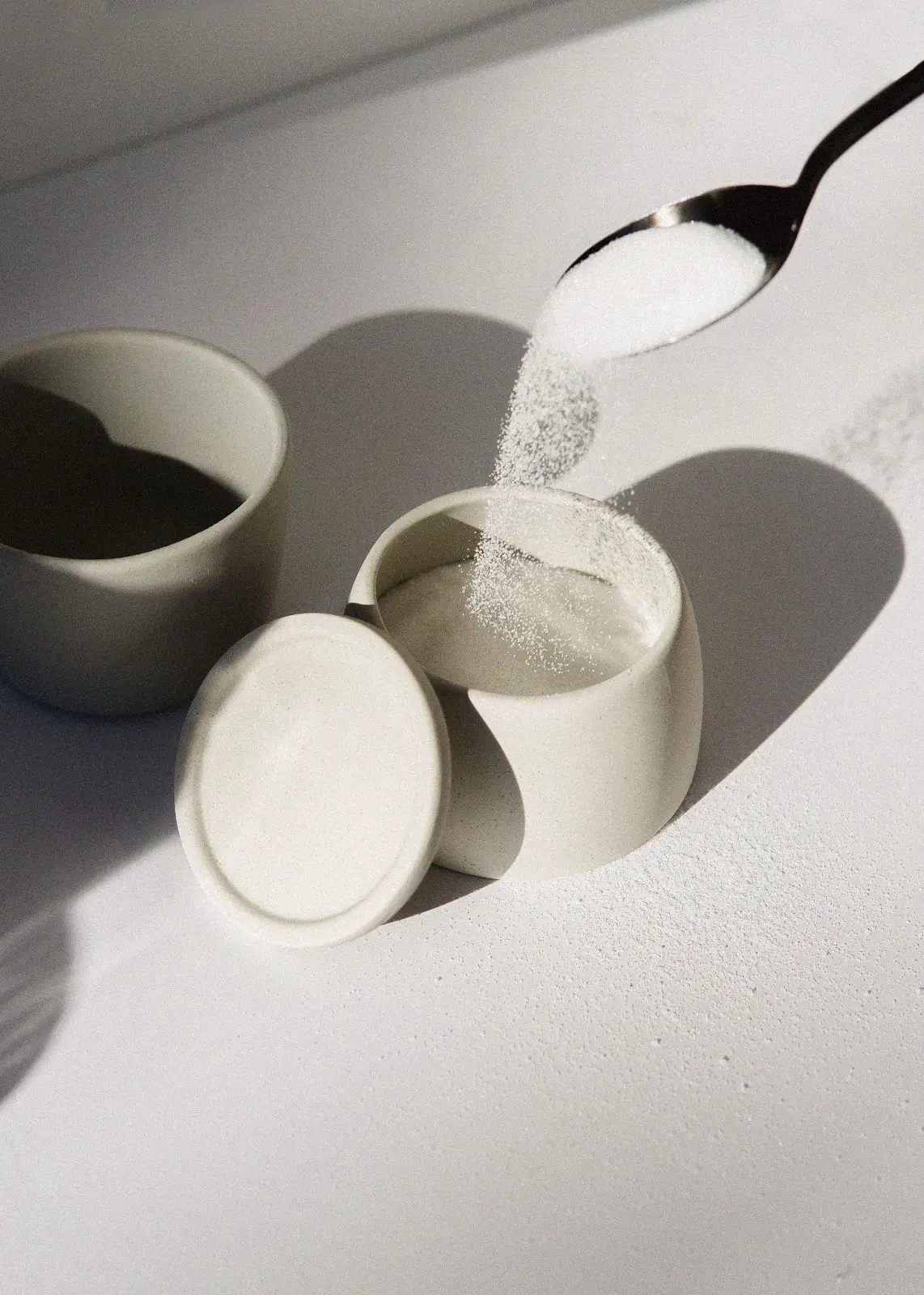
Think about making lemonade. You add sugar to water, stir, and the sugar disappears. But if you were to, say, carefully evaporate all the water, you'd be left with... sugar! It's still there, just in a different form. If it were a chemical change, you'd end up with something completely different after evaporation, like… I don't know, lemon-flavored rocks (which, admittedly, sounds kind of cool, but that’s not how lemonade works!).
Why Should You Care About Dissolving Sugar? (It's More Than Just Tea!)
Okay, so maybe you're thinking, "Who cares if it's a physical or chemical change? It's just sugar!" But understanding this difference is actually pretty important in everyday life. It helps you understand how things work around you. It’s the foundation for all sorts of interesting science concepts!
/Dissolving-Sugar-58ebe7e33df78c5162b0a5d6.jpg)
For instance, understanding solubility (how well something dissolves) is crucial in cooking. Ever tried to make iced tea with cold water and a mountain of sugar? It just sits at the bottom, doesn't it? That's because sugar dissolves better in warm water. Knowing this simple fact can save you a lot of gritty-tea disappointment!
And it’s not just about cooking. In medicine, understanding how different drugs dissolve in the body is critical to ensure they’re absorbed properly and can do their job. In environmental science, understanding how pollutants dissolve in water helps us predict their spread and impact. Even in art, knowing how pigments dissolve in different solvents is essential for creating vibrant and lasting paintings. Science is everywhere!

The Sweet Conclusion
So, next time you're stirring sugar into your coffee or watching salt disappear into soup, remember that it's not magic, it's just a physical change. The substance is still there, just in a different state. And who knows? Maybe this little bit of knowledge will inspire you to explore the fascinating world of chemistry even further. After all, science is all around us, making our everyday lives a little bit sweeter (pun intended!). So, go forth, be curious, and keep exploring!
Remember, the universe is a pretty awesome place, and understanding even the simplest things, like dissolving sugar, can open up a whole new world of wonder. Now, if you'll excuse me, I'm going to go make a cup of perfectly sweetened tea… and contemplate the mysteries of the universe. You should too!
