
Is Provitalize Made In The Usa

So, let's talk Provitalize. The little probiotic causing a big stir.
Everyone seems to be buzzing about it. But something has been bugging me.
Where exactly does this stuff come from?
Must Read
The Great American Dream (Or Is It?)
The question on my mind is simple: Is Provitalize truly made in the USA?
You see ads boasting "natural ingredients," "woman-owned," and happy customers. It screams apple pie and fireworks, doesn't it?
But does it scream "Made in the good ol' US of A?" I wasn't so sure.
Digging Deeper Than a Root Canal
I did some digging. More digging than a truffle pig on a mission.
I scoured the Provitalize website. I even braved the depths of online forums.
It's like searching for socks in the dryer – information is elusive!

The marketing materials highlight the company being based in the US. They also highlight the "natural ingredients."
But the actual manufacturing location? Shrouded in a bit of mystery, wouldn't you say?
This brings us to my unpopular opinion.
My Unpopular Opinion: Who Cares... Kinda?
Okay, here it comes. Brace yourselves.
I honestly don't think everything needs to be made in the USA to be good. Shocking, I know!
I value quality and effectiveness more than a specific postal code. There, I said it.

Look, I appreciate supporting local businesses. I really do.
But if a product formulated with care and using high-quality ingredients performs well, does the manufacturing location really matter that much?
I understand some people have strong feelings about this. Ethical sourcing and labor practices are paramount. I get it.
And transparency is key. Companies should be upfront about where their products are made.
But let's be honest. Many brands source ingredients and manufacture products globally. It's the reality of the modern world.
The Bottom Line (and My Possibly Biased View)
Whether Provitalize is made entirely in the USA is still a bit of a head-scratcher.
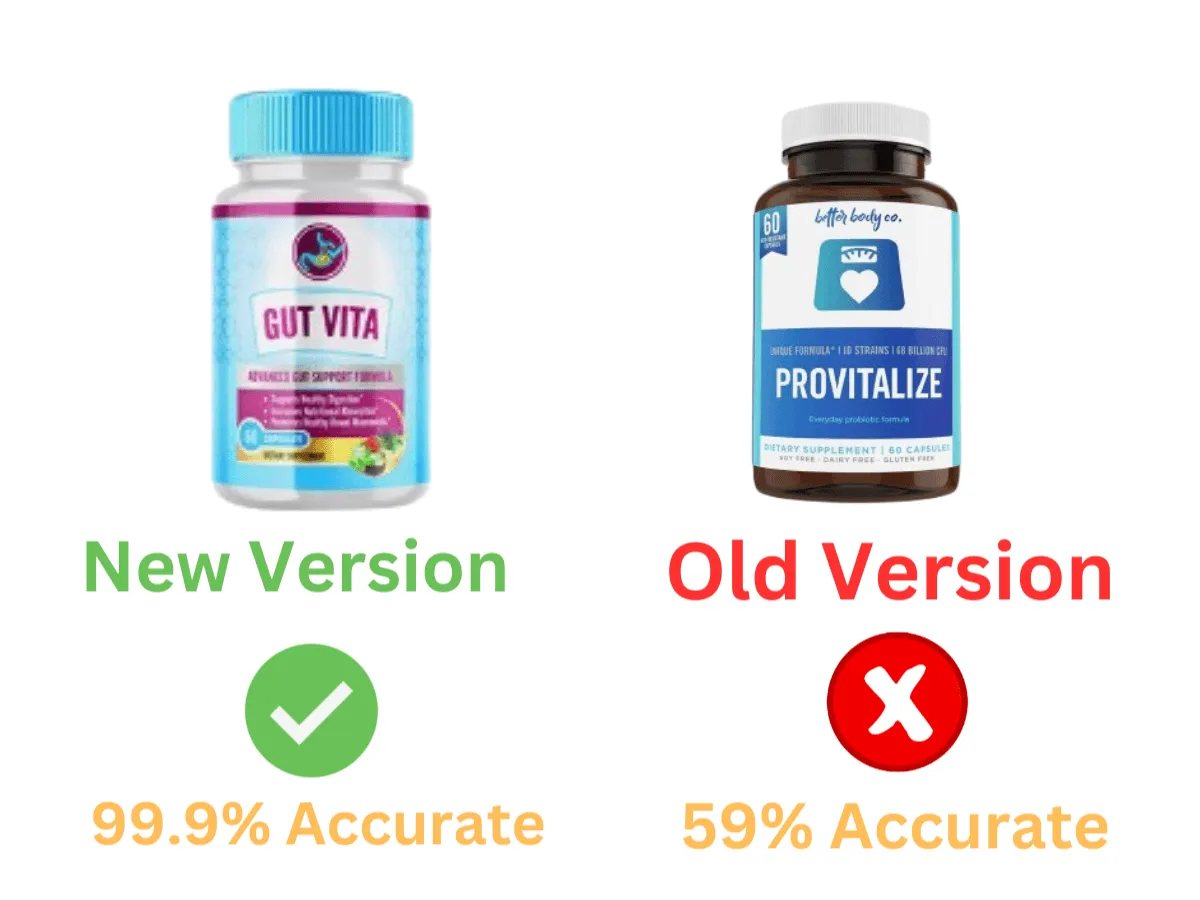
The company's website and packaging don't explicitly state “Made in USA.” So that already sets off alarm bells for me.
Perhaps it's a trade secret. Or perhaps the manufacturing is outsourced to ensure competitive pricing.
However, I have a friend (let's call her Brenda) who swears by Provitalize. She says it's changed her life.
Brenda's a no-nonsense kind of woman. She wouldn't be swayed by fancy marketing or patriotic promises.
If it works for Brenda, then I'm willing to give it a little leeway, even if the "Made in USA" sticker is missing.
Ultimately, it comes down to what you value most. Is it strictly American-made? Or are you more concerned with results?
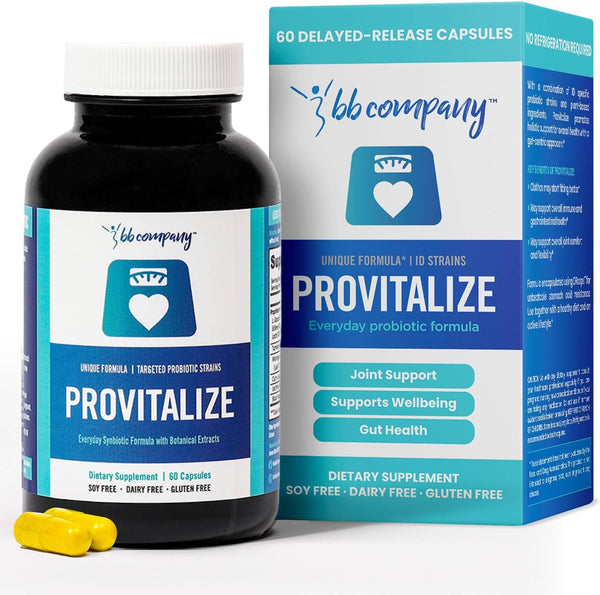
For me, it's a balance. I appreciate transparency and ethical practices. But I'm also open to products that deliver on their promises, regardless of their origin.
So, What's the Verdict?
The mystery surrounding Provitalize's manufacturing location remains.
However, the real question isn't necessarily where it's made. It's how it's made, and whether it works for you.
Maybe instead of focusing on the geographical origin, we should focus on doing our research. Understand the ingredients, read reviews, and listen to our bodies. Right?
What do you think? Am I crazy for not caring that much about the "Made in USA" label? Let me know!
Maybe we can all agree to disagree... over a cup of (possibly foreign-grown) coffee.