
Is It Safe To Take Ketones

Ever heard of ketones? They're like tiny little energy ninjas your body can make, especially when you're cutting back on carbs or doing something like the keto diet. But sometimes, you see them bottled up and sold as supplements! And that's where the "are they safe?" question pops up.
Think of it like this: your body makes its own sunshine (Vitamin D) but you can also pop a Vitamin D pill. Both can be good, but you gotta be smart about it, right?
Ketones 101: The Body's Energy Backup Plan
Okay, so normally, your body loves burning sugar (glucose) for fuel. It's like its favorite TV show – always on and reliable.
Must Read
But when sugar's scarce (like when you're low-carb dieting), your body switches to fat. It breaks that fat down into these magical molecules called ketones. These ketones then become fuel, keeping your engine humming along nicely. Think of them as the backup generators kicking in during a power outage!
There are mainly three types of ketones: acetoacetate, beta-hydroxybutyrate (BHB), and acetone. The one you usually see in supplements is BHB. It's considered the most stable and effective for boosting ketone levels.
The Allure of Supplemental Ketones: A Turbo Boost?
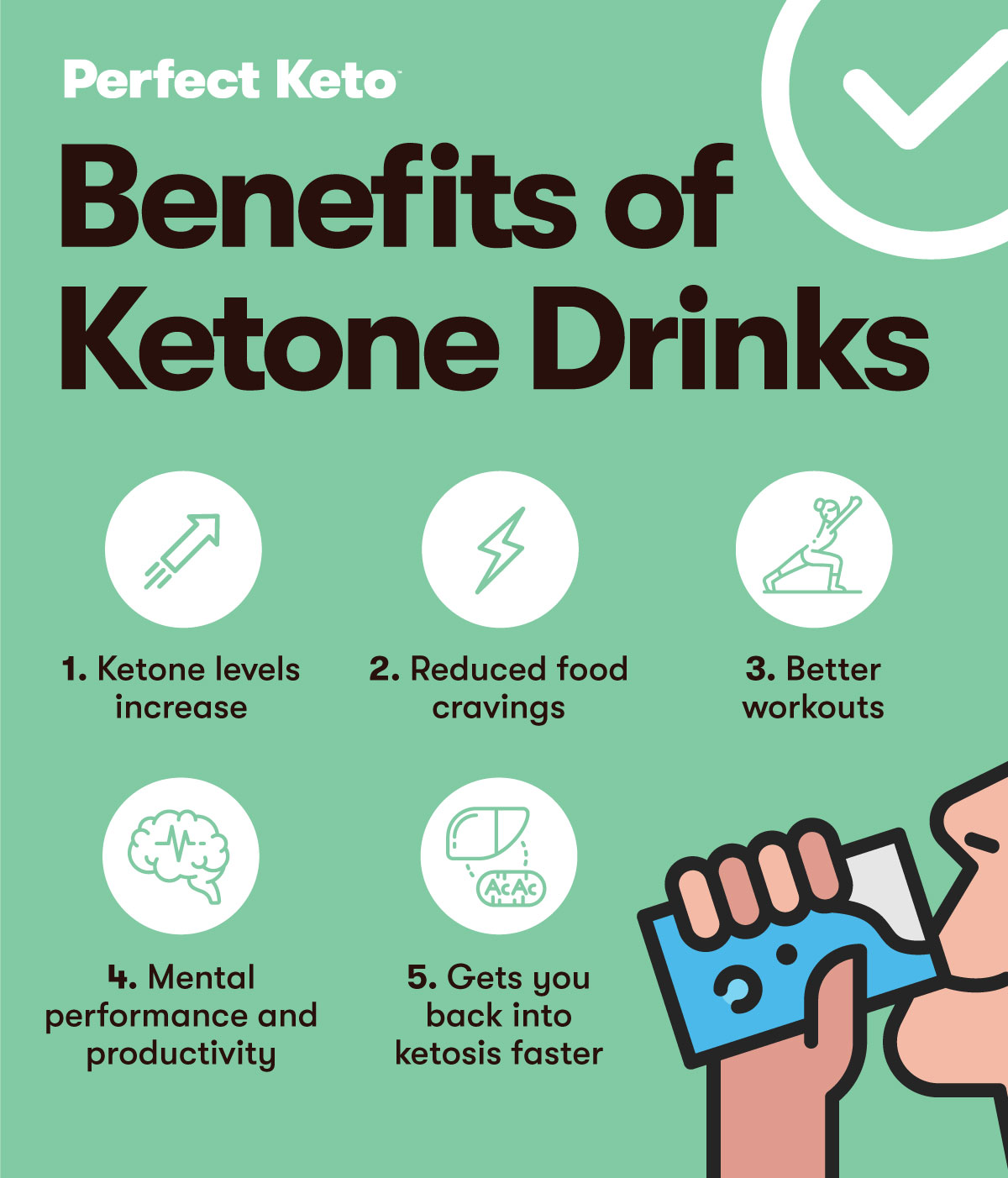
Now, why would anyone want to take ketones instead of just letting their body make them? Well, the idea is appealing! It's like adding rocket fuel to your metabolism. You might feel a quick burst of energy, mental clarity, and even curb those pesky cravings.
Imagine wanting to clean your house but lacking motivation. A ketone supplement might be the metaphorical "kick in the pants" you need to get started! But, is it all sunshine and rainbows?
Different Types of Ketone Supplements: Not All Created Equal
When we talk about taking ketones, we're usually talking about two main forms: ketone salts and ketone esters.

Ketone salts are BHB bound to a mineral, like sodium, potassium, or magnesium. They're the more common and usually cheaper option. Think of them as the "budget-friendly" ketone option.
Ketone esters are BHB directly attached to another compound. They deliver a bigger, faster boost of ketones into your bloodstream. Imagine downing a shot of pure energy – that's kinda what they do!
Safety Check: Are Supplemental Ketones Right For You?
So, are these things safe? Generally, for healthy adults, ketone supplements are considered relatively safe in moderate amounts. "Relatively" is the key word here!
However, let's be real, there are a few potential downsides and caveats to keep in mind. It's like checking the weather forecast before heading out for a picnic; you want to be prepared!
Potential Side Effects: The Not-So-Fun Part
One of the most common side effects of ketone salts is digestive upset. Too much too soon, and you might be running to the bathroom more often than you'd like. It's like eating too much spicy food – your stomach might not be happy!
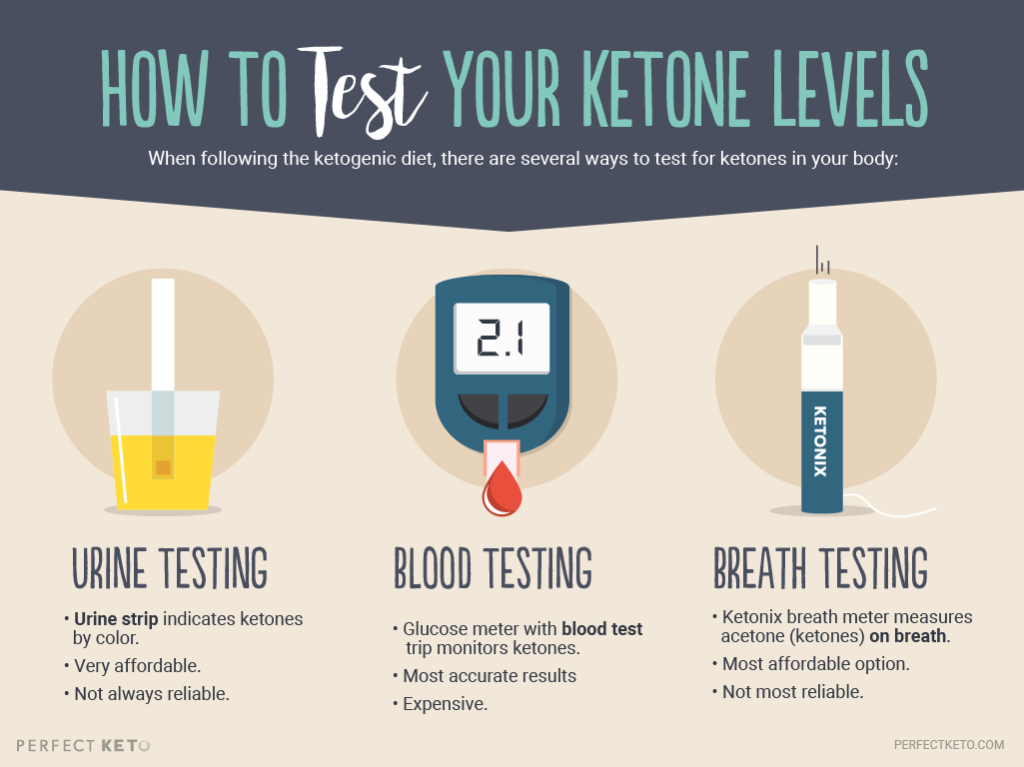
The minerals in ketone salts can also cause an electrolyte imbalance in some individuals. Think of electrolytes as the essential messengers between your brain and muscles. Mess with them, and you could experience muscle cramps, heart palpitations, or other unpleasantness.
Ketone esters, while powerful, can also cause nausea and that feeling of "gastric distress." Some people describe it as a very strong, almost medicinal taste that's hard to stomach. It's a bit like taking a shot of vinegar… for some.
Another thing to consider: ketone supplements can interact with certain medications. If you're on any medications, particularly for blood sugar or blood pressure, talk to your doctor before experimenting with ketones. It's always better to be safe than sorry!
Also, be careful if you have kidney or liver issues. These organs are crucial for processing ketones, and overloading them might not be the best idea. Again, consulting your doctor is paramount!
The Long-Term Picture: Still Under Investigation
The long-term effects of consistently taking ketone supplements are still largely unknown. Think of it as a long, winding road with a few signposts but not a complete map.

Most studies have been relatively short-term, so we don't know what happens if you take them for months or years on end. It's always wise to exercise caution and common sense when it comes to long-term health strategies.
It's like driving a new car off the lot, you don't know how it will hold up in 5 years, so we better keep an eye on it with periodical maintenance.
Dosage and Timing: Finding Your Sweet Spot (Maybe)
If you decide to try ketone supplements, start with a small dose. It's like testing the water before diving in. See how your body reacts, and then gradually increase the dose if you feel comfortable.
Timing can also play a role. Some people take them before workouts for an extra energy boost. Others take them between meals to help curb cravings. Experiment to see what works best for you, keeping in mind that everyone is different!
However, remember that more is not always better! Excessive ketones can actually be counterproductive. The goal is to supplement your body's natural ketone production, not to completely replace it.
The Bottom Line: Proceed with Caution and Common Sense
So, are ketone supplements safe? The answer is a qualified "maybe." For healthy individuals, they are generally considered safe in moderate doses. But potential side effects, interactions with medications, and the unknowns of long-term use should give you pause.
It's always best to consult with your doctor or a registered dietitian before starting any new supplement regimen, especially if you have any underlying health conditions. Think of them as your trusted navigators, helping you chart a safe course.
Remember, ketone supplements are not a magic bullet. They're not a replacement for a healthy diet, regular exercise, and a balanced lifestyle. They might be a tool to enhance your efforts, but they shouldn't be the foundation of your health.
If you're considering them for weight loss, be realistic about your expectations. Ketone supplements might help you shed a few pounds in the short term, but sustainable weight loss is about making lasting lifestyle changes.
Ultimately, the decision of whether or not to take ketone supplements is a personal one. Do your research, talk to your doctor, and listen to your body. Approach them with caution, common sense, and a healthy dose of skepticism.
Think of it like trying a new dance move. It might be fun and exciting, but you wouldn't try it without learning the basics first, right?