
Is It Illegal To Break Into Your Own House Usa
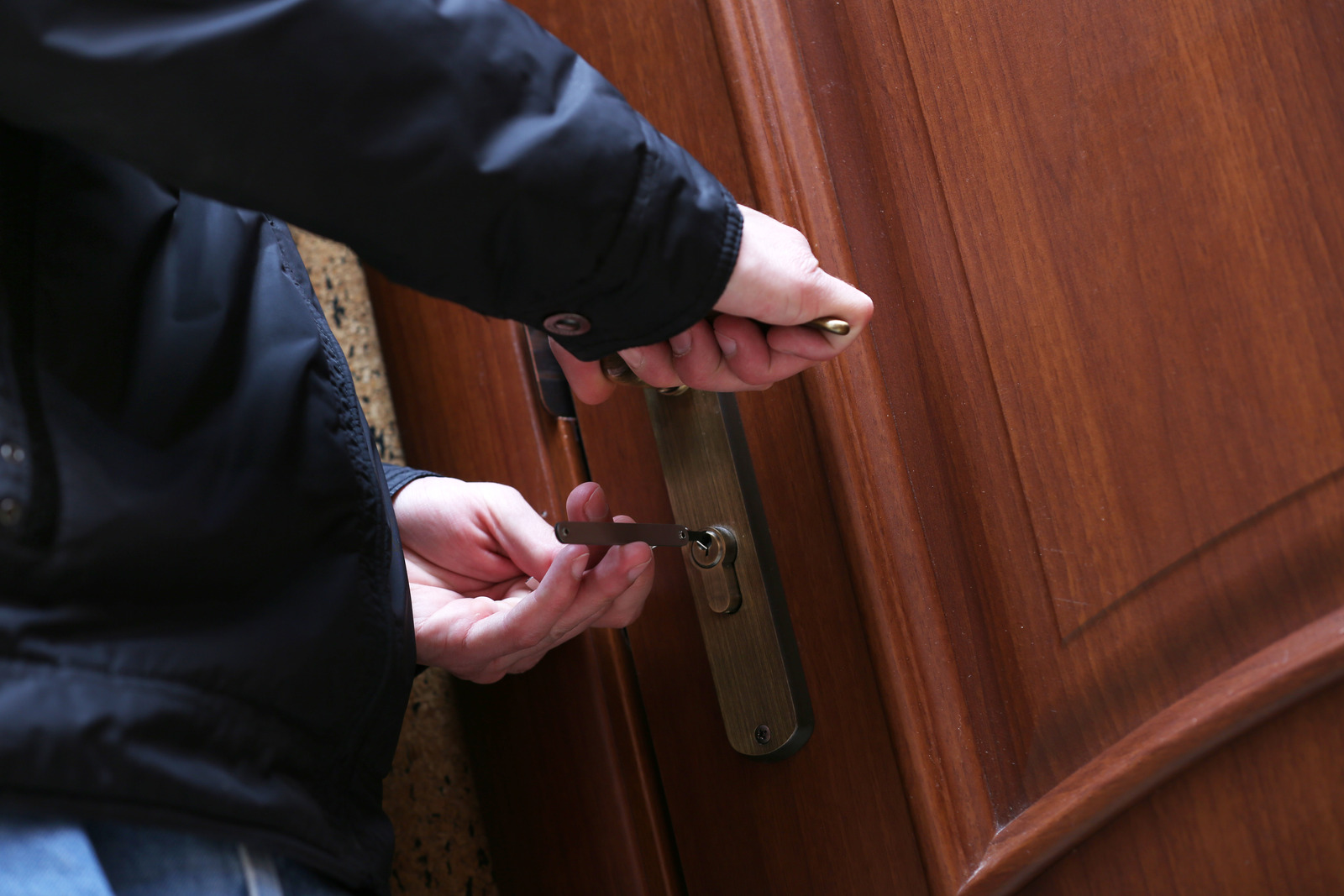
We've all been there, right? That heart-sinking moment when you pat your pockets, rummage through your bag, and realize: the keys are gone. Or, maybe you left them inside, neatly sitting on the kitchen counter, just out of reach. The door is locked. You're outside.
A cold gust of wind might blow. The rain might even start to drizzle. Panic sets in, followed by a ridiculous, yet totally understandable, thought: "Can I just... break into my own house?"
It sounds absurd, like something out of a slapstick comedy. You own the place, it's filled with your stuff, your cozy bed is calling. But is it actually, legally, allowed to pick a lock or climb through an unlocked window when it's your very own home in the USA?
Must Read
The Big Question: Is It Really Illegal To Break Into Your Own House?
Here's the fun, surprising answer that usually brings a sigh of relief: For most single homeowners, in most common scenarios, no, it's generally not illegal to "break into" your own house.
The law, you see, is mostly concerned with intent. When we talk about crimes like burglary or breaking and entering, the core idea is usually about someone trying to get into a property they don't own, with the intent to commit a crime inside (like stealing).
If it's your house, and your intent is simply to get back to your own couch and maybe grab a snack, then you're generally in the clear. You're not trying to steal from yourself, after all! You're just trying to get home.
When Your House Is Just Yours: The Sweet Spot
Imagine you're Sarah, a proud homeowner. You accidentally locked yourself out after taking out the trash. If you manage to wiggle a window open or even call a locksmith to drill your own lock, you're not committing a crime.
The property is yours. You have the legal right to be there. There's no criminal intent involved whatsoever. It’s more of an inconvenient mishap than a nefarious plot.
This is where the law makes a common-sense distinction. Your actions, even if they resemble a break-in, lack the criminal element necessary for charges. It's truly a moment of desperate home-seeking, not law-breaking.

"You can't steal your own property!" is a phrase often heard, and it rings true in these situations. The law protects property owners, even from themselves sometimes.
The thrill of finally getting that stubborn window open, or hearing the click of the lock, can feel like a small victory. You’ve outsmarted yourself, and you’re back in your kingdom. It’s a mini-adventure right on your doorstep.
The Sticky Situations: When Things Get Tricky
Ah, but like most things in life, there are always a few twists. While generally okay for a sole owner, things can get a little more complicated if your house isn't just yours anymore, or if your "break-in" causes unintended drama.
This is where shared living situations, legal disputes, or just plain old misunderstandings come into play. Suddenly, that simple act of getting into your house can raise eyebrows, or even flags.
Laws around "breaking and entering" often refer to "the dwelling of another." When your dwelling is also "the dwelling of another," the waters can get murky pretty fast. It’s less about ownership and more about who has the right to exclusive possession at a given moment.
The Roommate Riddle and Spousal Spats
Let's say you live with Mark, your roommate. You both pay rent, you both have keys. If Mark changes the locks without telling you, and you "break-in," that's a different story. Even though you live there, you might be violating his reasonable expectation of privacy or causing a disturbance.
The same applies, perhaps even more so, in situations involving spouses who are separated or divorcing. If a restraining order is in place, or if one spouse has been legally granted exclusive use of the home, "breaking in" can lead to serious legal consequences, even if you technically own half the property.
It's about respecting boundaries and legal agreements, even within your own home. Shared spaces mean shared rules, and sometimes, unfortunate legal entanglements can turn your house into a legal minefield.
The Landlord's Lament (and Tenant's Rights)
And what if you're renting? Then the house isn't legally "yours" in the ownership sense. You have a right to occupy it, but the landlord owns it. So, if you're a tenant and your landlord tries to "break into" your apartment without proper notice, that is illegal for them!
Tenants have specific rights to privacy and peaceful enjoyment of their rented property. A landlord cannot just waltz in, even if they own the building. This highlights how crucial the concept of "who has the right to occupy" is, beyond mere ownership.
The Comedy of Errors: Explaining Yourself
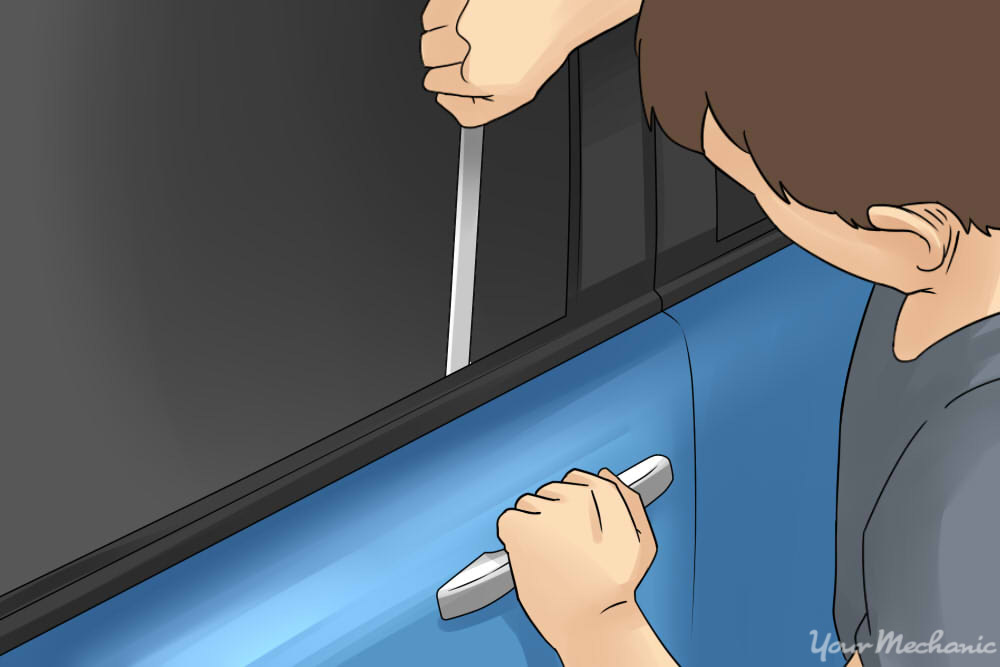
Even if it's perfectly legal for you to "break in," there's a strong chance it could lead to some genuinely funny, or at least incredibly awkward, moments. Picture this: you're jimmying your back window with a coat hanger, looking suspiciously shifty.
Your eagle-eyed neighbor, Mrs. Henderson, sees you. She doesn't recognize your face (maybe you're wearing a new hat, who knows?) or perhaps she just assumes the worst. Before you know it, sirens are wailing down your street.
Yes, the police might show up! Imagine having to explain to two very serious officers that you are, in fact, the homeowner, and you just happen to be terrible at remembering your keys. It’s a scenario ripe for comedic gold.

"Officer, I live here! I just forgot my keys... again. My dog, Buster, is probably wondering what’s taking me so long to give him his dinner." This is a common, slightly flustered, defense.
You might need to show them ID, utility bills, or a deed to prove you actually live there. It's a hassle, but ultimately, once they confirm your identity and ownership, they'll probably just offer some friendly advice about hiding a spare key. Or suggest a smarter entry method next time!
Accidental Damage and Insurance Woes
What if your heroic "break-in" results in a broken window, a splintered door frame, or a damaged lock? While getting in wasn't illegal, the damage itself might present a different kind of problem: financial.
Your homeowner's insurance policy is designed to cover accidental damage, theft, or natural disasters. But intentionally damaging your own property, even to gain entry, can be a gray area. Insurance companies might be less than thrilled to pay for something you purposely (even if out of necessity) broke.
Always check your policy or call your agent if you're considering a more destructive entry method. Sometimes, calling a professional locksmith is not only safer but also cheaper in the long run than a DIY smash-and-enter that costs you a window and a potential insurance headache.
The Warmth of Home: The Happy Ending
Despite the potential for awkward explanations or minor property damage, there's an undeniable feeling of triumph and relief when you finally get back inside your own home.
That first step across the threshold, the familiar smell, the sight of your own belongings. Your pet, Whiskers, might even greet you with an exasperated meow, as if to say, "What took you so long?"
It's a reminder of how much our homes mean to us – a sanctuary, a comfort, a place where we truly belong. And sometimes, the silliest little adventure, like "breaking into" your own abode, can give you an even deeper appreciation for it.
It turns an ordinary day into a story, a small testament to your resilience and your deep connection to your personal space. It’s a moment of resourcefulness, perhaps even a bit of unexpected fun, in the face of a frustrating situation.
So, What's the Takeaway?
So, generally speaking, if it's your house in the USA, and you're the sole owner, you're usually not breaking any laws by finding an unconventional way to get inside after locking yourself out. Your intent is good, your property is yours.
However, it's always wise to be mindful of your surroundings. Try not to alarm your neighbors, and have your identification ready just in case a well-meaning citizen calls the authorities. Consider a hide-a-key rock or a smart lock for next time!
Ultimately, getting locked out of your own home can be a frustrating and slightly embarrassing ordeal, but it’s often a harmless one. Just remember the caveats, and enjoy the unique, perhaps slightly comical, experience of becoming your own accidental burglar.
Welcome home!