
Is It Daylight Savings Or Saving
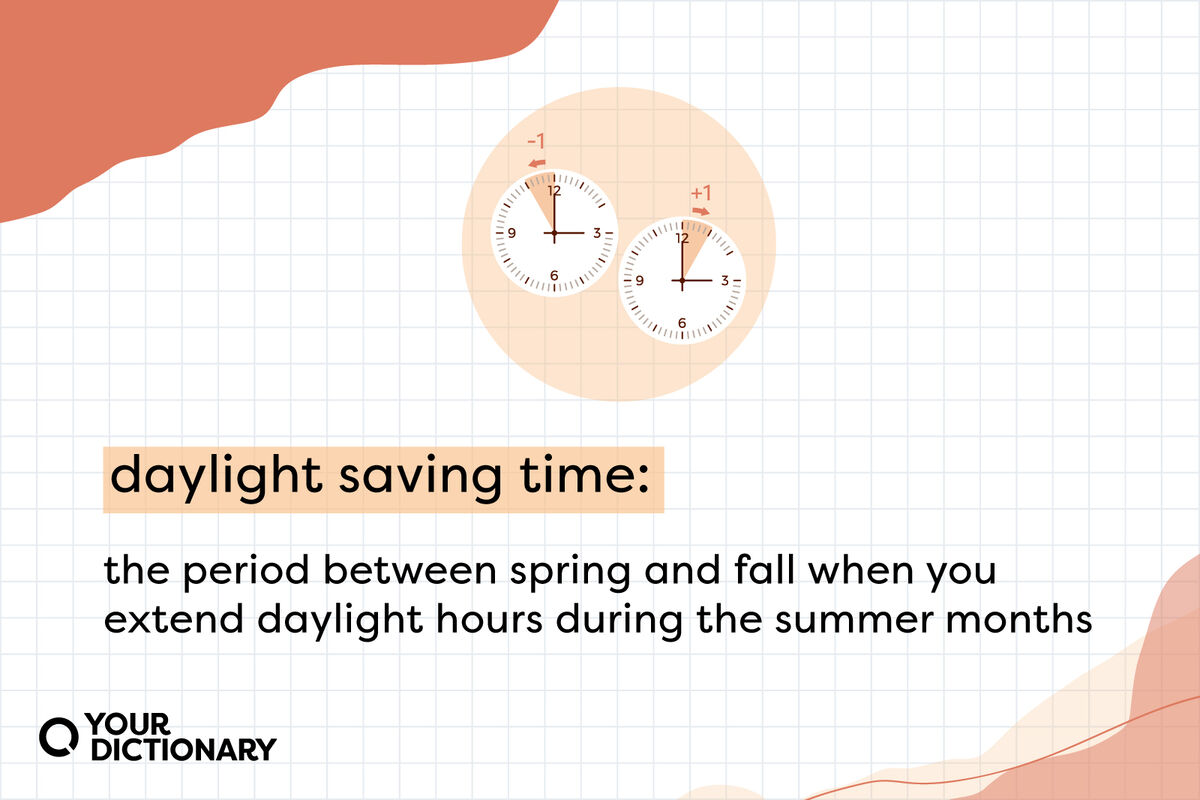
Hey there, fellow time-travelers (well, sort of!). Ever found yourself saying, "Is it Daylight Savings or Daylight Saving?" and then kinda just trailing off, hoping no one noticed the slight hesitation? Don't worry, you're not alone. It's a linguistic quirk that trips up many of us.
But guess what? There’s a simple, fun reason behind it, and understanding it makes the whole clock-moving concept a little more charming. So, grab a comfy seat, maybe a cup of coffee, and let's dive into this curious case of the missing (or extra!) "s."
The Big Reveal: Saving, Not Savings!
Okay, let's cut to the chase. The technically correct term is Daylight Saving Time. Yep, no "s" at the end of "Saving." Surprised? Many are!
Must Read
Think of it like this: when you're washing your car, you're doing "car washing," not "car washings," right? Or when you're looking for a good place for "money saving," not "money savings" (unless you're talking about the results of saving, but that's a different beast!). In our case, "Saving" is acting as an adjective, describing the type of time it is – time that helps save daylight. It’s about the act of saving daylight, not the collection of savings. Pretty neat, huh? It's all about making the most of that glorious sunshine!
Why Do We Even Do This Clock Dance?
Now that we've cleared up the linguistic puzzle, let's tackle the bigger question: why do we even bother with this whole clock-changing dance? The core idea behind Daylight Saving Time is actually pretty brilliant, in a historical sense. It’s all about maximizing our precious daylight hours, especially in the evening.
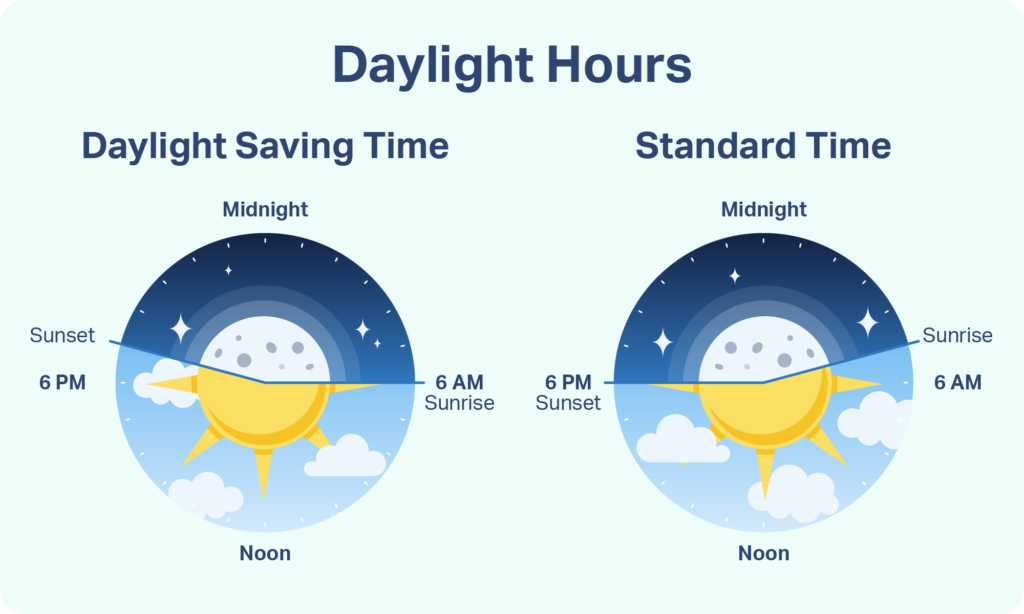
Picture this: It's the early 20th century. Electricity isn't as ubiquitous or cheap as it is today. Someone smart thought, "Hey, if we shift the clocks forward by an hour in the spring, the sun will 'set' later by the clock. People will naturally start their day an hour earlier, get more done in natural light, and then enjoy an extra hour of daylight in the evening." This meant less reliance on artificial lighting during those post-work hours. It was essentially a clever hack to get everyone to adjust their schedules to better align with the sun's natural rhythm.
It's like getting an extra scoop of sunshine for your evening plans! Who doesn't want that? Barbecues, walks in the park, gardening, playing outside with the kids – all benefit from that extended glow.
Spring Forward: The Great Sleep Trade-Off
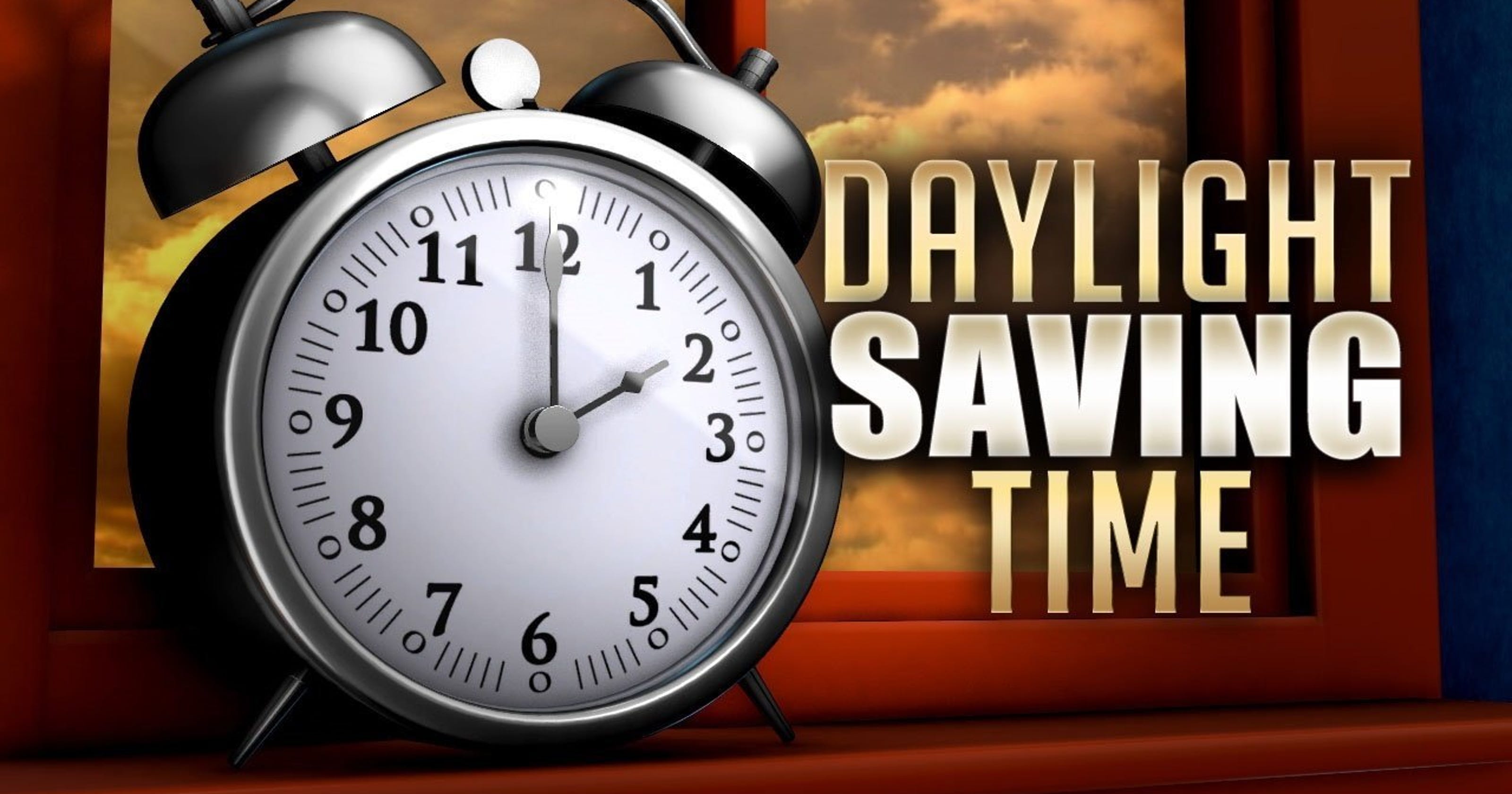
Ah, the infamous "spring forward." This is when we begrudgingly sacrifice an hour of sleep, usually on a Sunday morning in March. It feels like a tiny injustice, doesn't it? One minute it's 2 AM, the next it's 3 AM. Poof! An hour gone, just like that.
But here's the silver lining: that hour doesn't disappear into a black hole. It gets redistributed, stretched out into the glorious, longer evenings we're all craving after a long winter. It's a trade-off: a small dip in weekend sleep for a big boost in evening brightness. Imagine being able to enjoy an outdoor dinner or a leisurely stroll an hour later without flipping on a single light. That's the magic. "Lose an hour of sleep, gain an hour of summer evening!"
Fall Back: The Cozy Hour Returns
Then, as the leaves start to turn and the days shorten, we experience the "fall back," usually in early November. This is when we get that glorious hour of sleep back! The clocks magically roll back from 2 AM to 1 AM. It’s like finding a forgotten twenty-dollar bill, but it’s an entire hour of extra snooze time!
While that extra hour of sleep feels like a warm hug, it also signals something else: the return of earlier sunsets. The bright, long evenings of summer give way to cozier, darker ones. It's a gentle nudge from Mother Nature telling us to slow down, get ready for shorter days, and perhaps enjoy a good book by the fire. It’s almost like the earth is preparing for its winter nap, and we’re just following suit.

Is It Still Relevant? The Great Debate
In our modern world, with changed energy patterns and reliance on artificial lights, the debate around Daylight Saving Time is hotter than ever.
On one side, proponents still argue for the benefits:
- Energy Savings: Some studies point to a reduction in lighting and heating costs.
- Economic Boost: More daylight in the evening often means more people are out, shopping, dining, and recreating.
- Safety: More evening daylight can potentially reduce traffic accidents and crime.
On the other side, a growing number of people and experts are pushing to either make it permanent or abolish it entirely:

- Health Concerns: The disruption to our circadian rhythm twice a year can affect sleep, mood, and even increase heart attacks.
- Marginal Energy Savings: Modern studies suggest the energy savings are minimal, sometimes even offset by increased air conditioning.
- Inconvenience: Constantly adjusting schedules, especially for those with young children or international business, can be a headache.
It's a really interesting conversation, isn't it? It highlights how deeply ingrained these traditions can become, even when their original purpose might be evolving.
A Few Fun Facts!
- Did you know that not all places observe Daylight Saving Time? Many equatorial regions don't bother because their daylight hours don't vary much. Some US states, like Arizona (mostly) and Hawaii, also opt out.
- While Benjamin Franklin often gets credit for the idea of shifting schedules to save candles, he mostly suggested people just wake up earlier. The modern concept of officially changing clocks really took off during World War I as an energy-saving measure.
- Some countries call it "Summer Time" instead of Daylight Saving Time, which makes a lot of sense!
So, Daylight Saving Time It Is!
Next time you hear someone say "Daylight Savings," you can now gently (or not so gently, depending on your mood!) correct them and explain the subtle beauty of the singular "Saving." It’s more than just a grammatical nitpick; it’s a tiny reminder of an ingenious (though perhaps outdated) effort to harness the sun's power.
It’s a collective annual ritual that prompts us to think about time, light, and our place within the seasons. So, whether you love it or hate it, Daylight Saving Time is a pretty fascinating piece of our shared cultural clockwork. And now you know the secret of the "s"!