
Is It Daylight Savings Or Daylight Saving
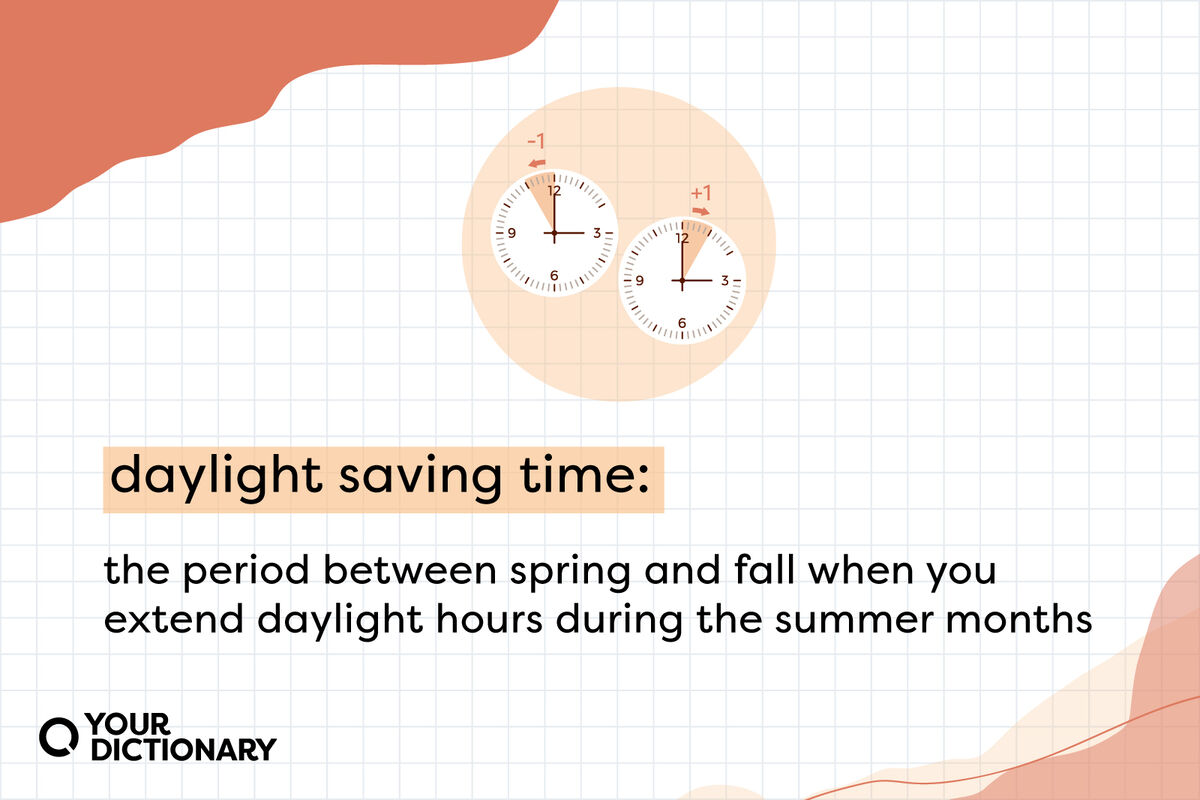
Ah, the age-old question that pops up twice a year, like a quirky relative on holiday: Is it Daylight Savings or Daylight Saving? It’s a linguistic puzzle wrapped in a time-shifting mystery, leaving many of us scratching our heads. Don't worry, you're definitely not alone in this delightful confusion!
For years, people have debated this very specific point, often with a twinkle in their eye and a slight shrug of exasperation. It feels like one of those harmless traps our language sets for us. But today, we're going to clear the air, not with stuffy rules, but with a sprinkle of fun and a dash of history.
The Great 'S' Debate: A Gentle Revelation
Let's cut right to the chase, shall we? The technically correct term, the one you'll find in official documents and almanacs, is Daylight Saving Time. That's right, no 's' at the end of 'Saving'.
Must Read
Surprising, isn't it? Many people naturally add the 's' because it just sounds right. We have "savings accounts," we talk about making "savings" when we get a good deal. Our linguistic muscle memory kicks in, and presto, an extra 's' appears!
But the "saving" in Daylight Saving Time refers to the act of saving daylight itself. It's a verb, active and direct, as if we are literally tucking away those precious evening hours for later enjoyment. Think of it as 'daylight-saving time', a specific kind of time.
A Wink from History: The Founding Father of Fun
Our journey into this linguistic tangle often begins with a whisper of history, specifically with the ever-clever Benjamin Franklin. Picture this: Paris, 1784, and Franklin is supposedly waking up early, surprised by the sunlight streaming in. He then pens a satirical essay.
Franklin's "aha!" moment, however, wasn't about changing clocks. Instead, he humorously suggested that Parisians could save a fortune on candles by simply getting out of bed earlier. It was a witty observation about human laziness, not a literal proposal for altering time itself!

This playful essay often gets cited as the very first spark of the Daylight Saving idea. It shows that even centuries ago, people were musing about how to make the most of the sun's generous light. It’s a delightful origin story, full of wit rather than rigid rules.
The Golfer Who Loved Sunshine
Fast forward to the early 20th century, and we meet another key character: William Willett, a rather passionate English builder and keen golfer. Willett noticed that his favorite golf rounds were often cut short by the fading light in the evenings.
He was so dismayed by wasted daylight that he launched a fervent campaign in 1907. Imagine his frustration, watching those glorious summer mornings go unused while people slept in, only to yearn for more light in the evenings!
Willett proposed shifting the clocks forward by 80 minutes during the summer months. His dedication stemmed from a simple, heartwarming desire: more time to enjoy the outdoors. He truly wanted to "save" that daylight for everyone to relish.
The Heart of the Matter: What Are We Truly Saving?
When we spring forward, what are we really doing? We're embracing longer evenings, stretching out the golden hour, and giving ourselves a little extra sunlight to play with. It's about optimizing our days, almost like finding a bonus level in a video game.
It's less about financial "savings" and more about the invaluable resource of natural light. Imagine those warm spring evenings when you can stay out a little longer, grill dinner outdoors, or simply enjoy a sunset stroll without rushing home.
The act of "saving" daylight touches something deeply human within us. It's a collective effort to squeeze every last drop of joy from the sun's generosity. It helps us feel more connected to the rhythm of the seasons.
The Emotional Rollercoaster of Time Change
No matter what you call it, the annual clock change evokes a surprising range of emotions. In spring, there's that initial jolt of losing an hour, often followed by the sheer delight of those longer, brighter evenings. It’s a trade-off many willingly accept.
That first evening, when the sun seems to hang in the sky forever, brings a feeling of optimism and renewed energy. Suddenly, after-work activities don't feel quite so rushed. The promise of summer feels tangible and close.
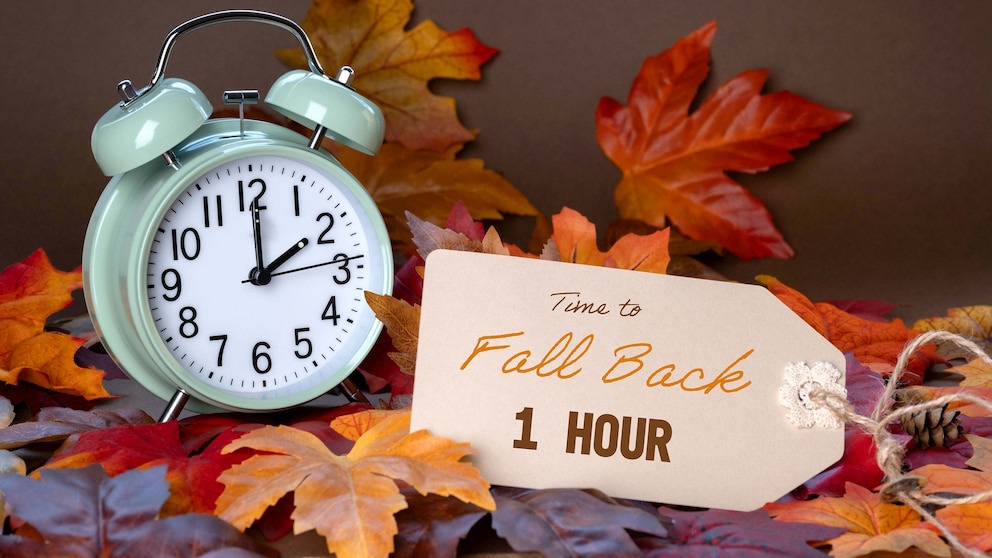
Then comes autumn, and with it, the "fall back." This is often met with a collective sigh, perhaps a bit of grumbling. The sudden plunge into earlier darkness can feel like a cozy, but sometimes unwelcome, embrace of winter.
Yet, there's a certain charm to it too. The extra hour of sleep can be a small luxury, and the earlier sunset ushers in a season of warm drinks, crackling fires, and early evening coziness. Our routines shift, adapting to the sun's new schedule.
Pets and the Peculiar Ritual
Humans aren't the only ones affected by this time-bending ritual. Our furry friends, especially dogs and cats, live by their own internal clocks. They certainly don't care about an 's' or the lack thereof!
Suddenly, dinner time arrives an "hour late" according to their rumbling stomachs. Walkies are delayed, and their confused stares often provide a humorous counterpoint to our human adjustments. Their innocent bewilderment is truly heartwarming.

These little moments of adjustment, shared with our animal companions, become part of the unique fabric of our lives. They add a touch of relatable humor to an otherwise abstract concept of time manipulation. It’s a shared experience of collective calendar confusion.
Embrace the Charm, 'S' or No 'S'!
So, there you have it. The answer to the great 'S' debate is officially Daylight Saving Time. But here's the beautiful truth: most people will probably continue to say Daylight Savings Time, and that's perfectly okay!
Language is a living thing, always evolving and shaped by common usage. The occasional extra 's' has become a charming quirk, a linguistic shortcut that feels natural to many. It doesn't diminish the spirit of what the time change represents.
Ultimately, whether you add an 's' or not, the intention remains the same. It's about how we choose to interact with the sun, how we structure our days, and how we find those precious moments of light in our lives. It’s a testament to our desire to make the most of every sunny minute.
So next time the clocks change, whether you're springing forward with glee or falling back with a sigh, remember the playful history, the passionate golfers, and the simple joy of an extra hour of daylight. It's a wonderfully human tradition, full of its own endearing quirks.