
Is It Bad To Take A Bath During A Thunderstorm

Ever found yourself cozy inside, rain drumming against the window, a flash of lightning illuminating the sky, and then a thought pops into your head: "Hmm, a warm bath sounds absolutely perfect right now!" But almost immediately, another, slightly more unsettling thought probably followed: "Wait, isn't that... bad?"
It's a classic query, right up there with "Is it safe to use your phone during a thunderstorm?" or "Should I unplug everything?" This idea of avoiding water during a lightning storm has been whispered through generations, often sounding like an old wives' tale. But is there actually any truth to it? Let's dive in, with a chill and curious vibe, to see what's what.
The Whispers and the Why: Where Did This Idea Come From?
First off, let's acknowledge that this isn't some totally random superstition. There's a kernel of truth to the warning, but it's often blown a bit out of proportion, especially in our modern world. The basic premise is simple physics, really. Lightning is a massive bolt of electricity. And what do we know about electricity and water? They don't exactly mix well, especially when one of them is trying to find the quickest path to the ground.
Must Read
Think of it like this: your house, despite being a cozy sanctuary, is interconnected. You've got wires for electricity, pipes for water, and even gas lines. All these systems are designed to be safe, but they can also, under very rare and specific circumstances, act as conductors for unwanted electricity – like, say, a stray lightning strike.
The Plumbing Pathway: Your Bathtub's Hidden Connection
So, why the bathtub specifically? Well, your plumbing system is a vast network of pipes, often made of metal (though plastic is common now too). These pipes lead all the way to the water main, which is connected to the ground outside your house. If lightning strikes your house, or even a nearby utility pole or the ground very close by, that electrical charge needs to go somewhere. And guess what? Metal pipes, especially those filled with water, can be a rather convenient highway for electricity.

Imagine a lightning bolt like a super-energetic, slightly confused tourist. It's looking for the fastest, easiest route to its destination (the ground). If your home gets struck, or if the ground around it becomes charged, that electricity can sometimes jump onto conductive materials inside your house. And if you're chilling in a tub full of water, touching metal faucets, you could, theoretically, become part of that circuit. Ouch.
It's a bit like imagining your plumbing as a series of tiny, winding roads. Most of the time, they're just carrying water to your taps. But during a thunderstorm, they could potentially become a detour for a very unwanted traveler.
How Likely Is This, Really? Let's Talk Odds
Now, before you start hyperventilating every time a cloud rolls in, let's put this into perspective. The chances of this actually happening to you are incredibly slim. We're talking lottery-winning odds, but maybe a slightly less fun kind of lottery.

Modern homes, especially those built to code, have grounding systems designed to safely direct electrical surges. Plastic pipes are also becoming more common, which are much less conductive than metal. So, while the potential is there, the actual risk is quite low for most people in most homes.
Think of it this way: the risk of slipping in the shower and getting injured is probably higher than the risk of being struck by lightning while in the tub. Or, to use a more whimsical comparison, the chance of being kissed by a frog who turns into a prince is probably higher than experiencing a lightning strike through your plumbing. Okay, maybe not that high, but you get the drift – it's not an everyday occurrence, or even a yearly one for most.

The "Better Safe Than Sorry" Approach (But No Need to Panic)
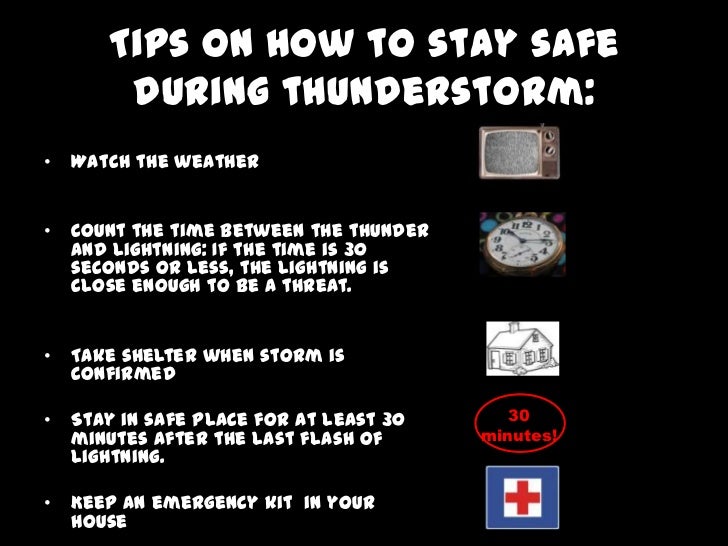
So, what's the verdict? Is it bad? Well, it's certainly not recommended. The safest advice you'll hear from actual experts (like meteorologists and electricians) is to avoid all contact with water during a thunderstorm. This means no showers, no baths, and ideally, not even washing dishes if the storm is raging right over your head. It's not just about the tub, it's about any faucet or water source.
However, it's also crucial to distinguish between "not recommended" and "you will definitely be zapped." This isn't a situation where a single rumble of thunder means you need to leap out of the tub in terror. It's more about exercising a little extra caution during the peak of a storm, especially when lightning strikes are frequent and close by.
Consider it like wearing a helmet while cycling. You probably won't crash every time you ride, but if you do, the helmet significantly reduces the risk of serious injury. Similarly, avoiding water during a severe thunderstorm is a simple precaution that virtually eliminates a very rare, but potentially serious, risk.
The Chill Takeaway: Curiosity, Caution, and Comfort
Ultimately, the question of bathing during a thunderstorm is a fascinating one because it touches on our innate curiosity about how the world works, mixed with a healthy dose of self-preservation. It highlights the incredible power of nature and the subtle ways it can interact with our built environments.
So, the next time a thunderstorm rolls in and that cozy bath beckons, maybe opt for a different kind of cozy. Curl up with a book, make some tea, or simply enjoy the dramatic show outside from a safe, dry distance. You can still appreciate the raw power of nature without putting yourself in a (however small) risky situation.
Stay curious, stay safe, and remember that sometimes the best way to enjoy a thunderstorm is from the comfort of your couch, far away from any potential plumbing detours for those electrifying visitors!