
Is Hydrogen Energy Renewable Or Nonrenewable

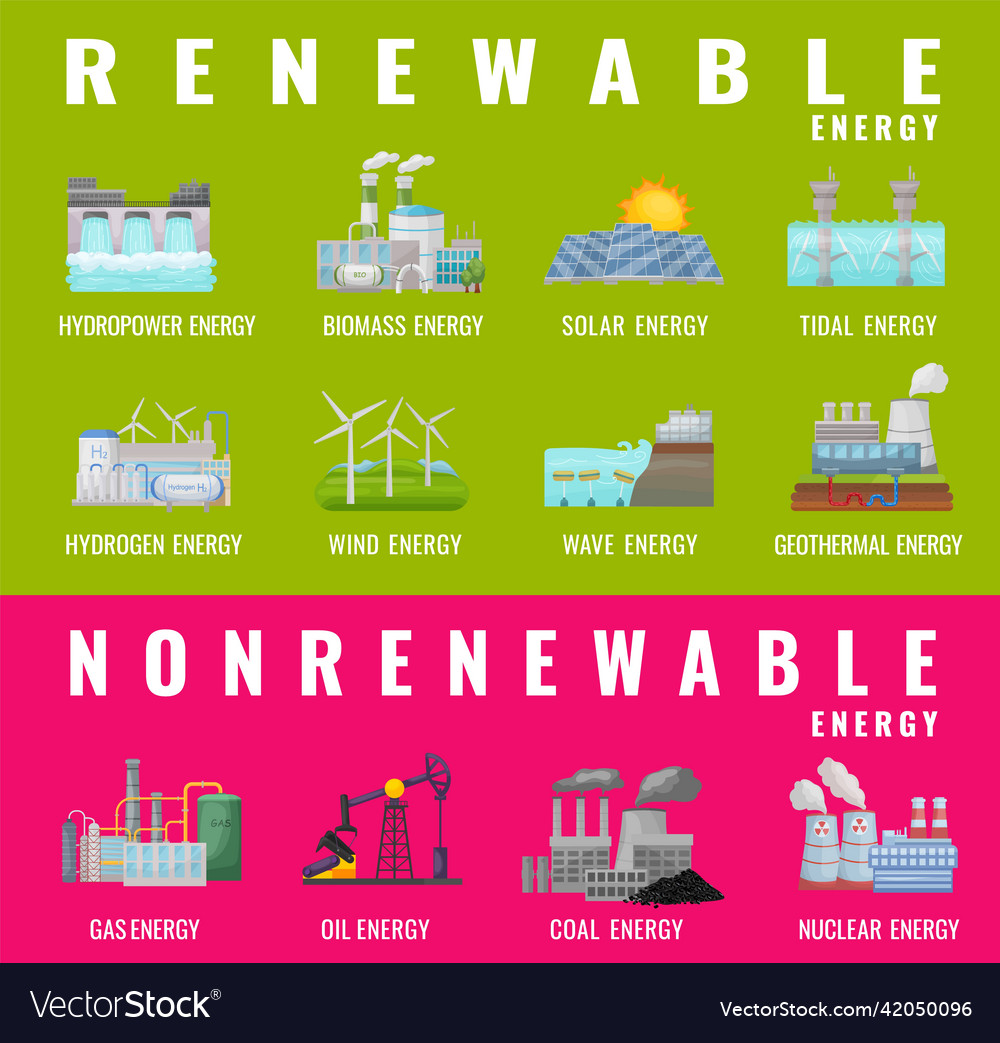
Alright, gather 'round, friends! Let's talk hydrogen. No, not the stuff that makes your voice squeaky when you inhale it from a questionable balloon at a kid's party (please don't do that, seriously). We're talking about energy, baby! And the big question on everyone's lips (besides whether that barista judged your oat milk latte order) is: is hydrogen energy renewable or nonrenewable?
Now, I know what you're thinking: "Hydrogen? Isn't that, like, the first element on the periodic table? Seems pretty basic." And you'd be right! It is basic. But understanding its energy potential? Well, that's where things get about as clear as a politician's promise. Let's dive in, shall we?
The "It Depends" Answer (Because Life Isn't Simple)
Okay, buckle up, because the answer to the renewable/nonrenewable question is the classic, infuriating: it depends. Yeah, I know, you wanted a straight answer. You wanted a clear-cut "renewable!" or "nonrenewable!" to shout at your next eco-conscious gathering. But alas, reality is a bit more nuanced than a cat video on YouTube.
Must Read
Here's the deal: hydrogen itself is the most abundant element in the universe. Seriously, it's everywhere! It's in the stars, it's in water, it's probably even lurking in that questionable stain on your favorite t-shirt. So, the element hydrogen? Basically inexhaustible.
The problem? We don't find it floating around on Earth in its pure form just begging to be burned for energy. Imagine walking outside and stumbling upon a giant, naturally occurring hydrogen geyser, just waiting to power your car. That would be awesome (and slightly terrifying). But, sadly, nature isn't that convenient.

How We Get Our Hands on Hydrogen (The Not-So-Magical Part)
So, how do we get hydrogen for energy? Well, we have to extract it from other things. Think of it like trying to get the chocolate out of a chocolate chip cookie. You can do it, but it takes effort, and sometimes it involves a bit of mess. There are several ways to "bake" our hydrogen:
- Steam Methane Reforming (SMR): This is the most common method right now. You basically react natural gas (methane) with steam at high temperatures. Voila! Hydrogen! But wait...natural gas? That's a fossil fuel! So, hydrogen produced this way is definitely not renewable. Think of it as ordering a "sustainable" steak at a restaurant that gets its beef from a herd of velociraptors.
- Electrolysis: This method uses electricity to split water (H2O) into hydrogen and oxygen. Now this is where things get interesting. If the electricity used for electrolysis comes from renewable sources like solar, wind, or hydro, then the hydrogen produced is considered renewable! It's like making a cake with organic ingredients from your garden – guilt-free deliciousness!
- Other Methods (Because Science Never Sleeps): Scientists are constantly experimenting with other ways to produce hydrogen, including using algae, bacteria, and even high-tech lasers. Some of these methods have the potential to be incredibly sustainable, but they're still in the early stages of development.
See? It's all about the source. If we're making hydrogen using fossil fuels, then it's a nonrenewable energy source, plain and simple. But if we're using renewable energy to extract it, then it's as renewable as that overpriced yoga mat you bought but never use.
The Color-Coded Hydrogen Rainbow (It's Not Just for Unicorns)
To make things even more confusing (because why not?), the hydrogen industry has adopted a color-coding system. It’s like the fashion industry, but for molecules!
- Grey Hydrogen: Made from natural gas using SMR, without carbon capture. Basically, the bad boy of the hydrogen world.
- Blue Hydrogen: Made from natural gas using SMR, but with carbon capture to reduce emissions. A slightly less bad boy, trying to reform his ways.
- Green Hydrogen: Made from electrolysis using renewable energy. The eco-friendly superhero of hydrogen!
There are other colors too (pink, turquoise, yellow, the list goes on!), but those are the main ones to remember. So, next time you hear someone talking about hydrogen energy, ask them what color it is! You'll sound incredibly knowledgeable (and maybe a little bit pretentious, but hey, that's a small price to pay for saving the planet).
The Future of Hydrogen (Hoping for a Green Tomorrow)
So, what's the future of hydrogen energy? Well, many experts believe that green hydrogen has the potential to play a significant role in a sustainable energy future. It can be used to power vehicles, heat homes, and even store energy from intermittent renewable sources like solar and wind.
Of course, there are still challenges to overcome. Producing green hydrogen is currently more expensive than producing grey or blue hydrogen. We need to invest in research and development to make it more cost-competitive and scale up production to meet future demand. But hey, Rome wasn't built in a day, and neither is a sustainable energy future (although, preferably, our future will be slightly less prone to burning than Rome's).
In conclusion, hydrogen energy isn't inherently renewable or nonrenewable. It all depends on how it's produced. The key to a sustainable future lies in embracing green hydrogen and transitioning away from fossil fuel-based production methods. So, let's raise a glass (of water, hopefully electrolyzed with renewable energy!) to a greener, hydrogen-powered future! Cheers!
