
Is Ghost Hydration Safe For Kids

Okay, so you've probably seen those brightly colored cans of Ghost Hydration floating around, right? Maybe at the gym, maybe at the grocery store, maybe even your cool teenager snuck one into the house (don't worry, we've all been there!). And now you're wondering: "Is this stuff okay for my kids?" It's a totally valid question! Let's break it down in a way that doesn't require a science degree.
What's the Big Deal About Ghost Hydration Anyway?
First, let's get on the same page about what Ghost Hydration is. It's basically a flavored electrolyte drink. Think souped-up water with added vitamins and minerals, like sodium, potassium, and magnesium - the kinds of things you sweat out when you're running around. Electrolytes are important because they help your body stay hydrated and function properly. Think of them as tiny little workers ensuring everything in your body is humming along smoothly.
Now, unlike some other energy drinks (we're looking at you, sugar-bombs!), Ghost Hydration usually boasts zero sugar. That’s a definite plus. But zero sugar doesn't automatically equal "healthy for everyone." That’s where the question of kids comes in.
Must Read
Kids and Electrolytes: A Balancing Act
Kids, especially active ones, do need electrolytes. Imagine your little soccer star running drills under the hot sun. They’re losing fluids and electrolytes through sweat. A healthy, balanced diet usually provides enough of these. But sometimes, especially after a really intense activity or if they're feeling under the weather, a little boost might be helpful.
However (and this is a big however!), kids' bodies are different than adults'. Their kidneys are still developing, and they're more sensitive to certain ingredients. What's a-okay for Mom or Dad might not be the best choice for little Timmy or Susie.

Think of it like this: you wouldn't give a toddler a double espresso, right? Even though you might need it to survive a Monday morning. Same principle applies here.
The Ingredient Rundown: Things to Watch Out For
Here's where we put on our detective hats and look at what's actually in Ghost Hydration. Pay close attention to the label! Here are a few things to consider:
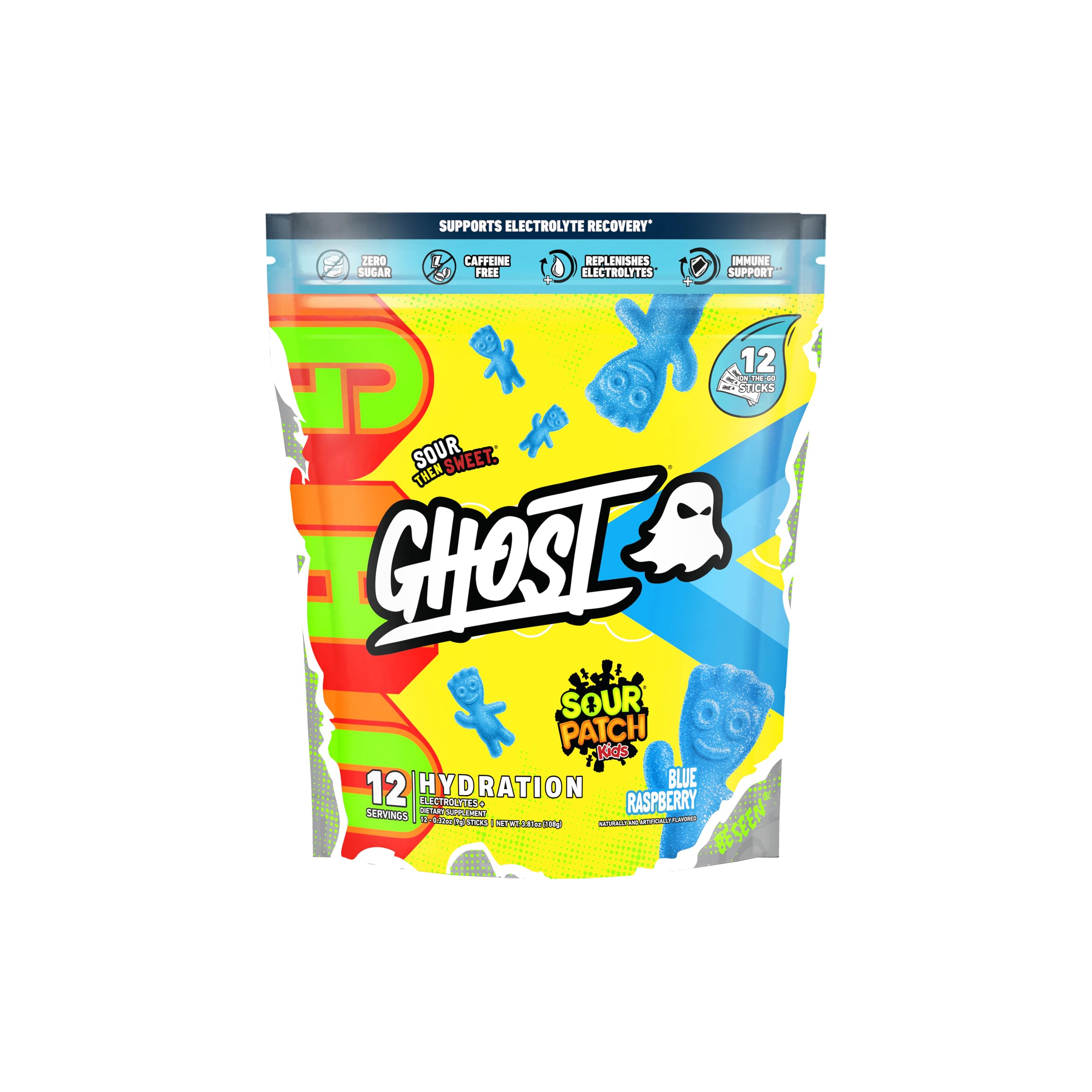
- Artificial Sweeteners: Many zero-sugar drinks use artificial sweeteners like sucralose or acesulfame potassium. While considered safe by regulatory agencies in moderate amounts, some people, especially children, can be more sensitive to them. Some research suggests potential links to gut health issues, and let's be honest, nobody wants a tummy ache.
- Caffeine: This is a big one. Most Ghost Hydration products don't contain caffeine, which is great. BUT! Some flavors might have added ingredients that could contain trace amounts. Double-check the label for everything! Caffeine can cause jitters, anxiety, and sleep problems in kids, and their little bodies are much more susceptible to its effects.
- Vitamins and Minerals: While vitamins and minerals are good, too much of a good thing can be...well, not so good. Overdoing it on certain vitamins can lead to unpleasant side effects. Again, moderation is key.
So, Is It Safe or Not? The Million-Dollar Question
The honest answer? It depends. For younger children (under 12), it's generally best to avoid Ghost Hydration altogether. Their bodies are still developing, and the potential risks outweigh the benefits. Stick to water, diluted juice, or specifically formulated electrolyte drinks for kids (like Pedialyte) if needed.
For older kids and teenagers, it's a conversation starter. If they're active and insist on trying it, here's what you should do:
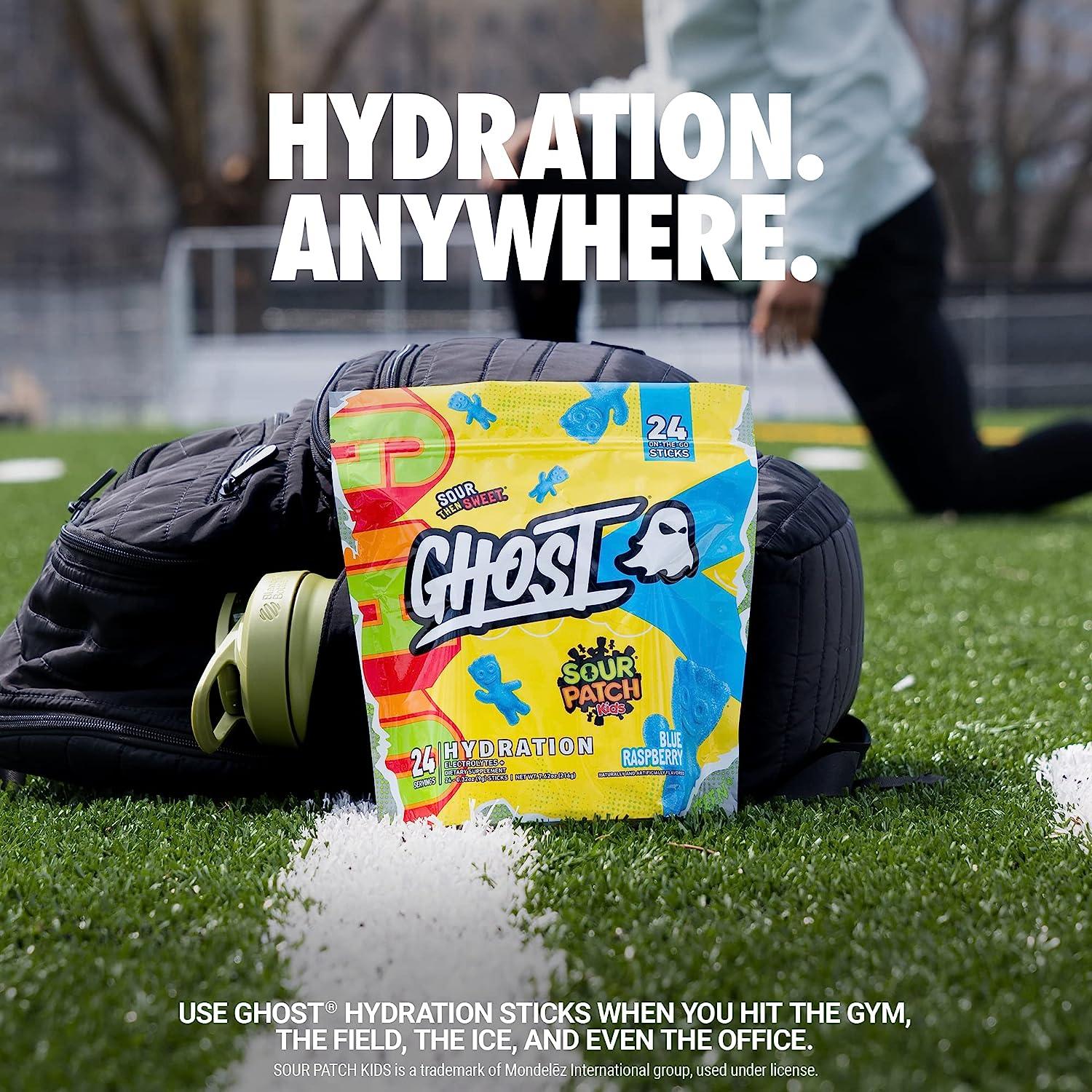
- Read the label together. Make it a learning experience! Talk about the ingredients and what they do.
- Limit their intake. If they’re going to drink it, keep it to a small amount and not every day. It shouldn't replace water.
- Consider alternatives. Explore healthier options like coconut water (naturally rich in electrolytes) or homemade electrolyte drinks.
- Talk to their doctor. If you have any concerns, or if your child has any underlying health conditions, a quick chat with their pediatrician is always a good idea.
Ultimately, as a parent, you know your child best. Trust your instincts and make informed decisions based on their individual needs and health. Staying hydrated is important, but choosing the right way to do it is even more so!
Think of it like this: you’re the hydration gatekeeper, protecting your kids from the sugary (or artificially sweetened) dragons of the beverage world. You got this!
