Is Ethanol A Renewable Or Nonrenewable Resource
Okay, let's talk about ethanol. You know, that stuff that sometimes gets mixed in with your gasoline? The one that’s supposed to be… good for the planet? The question is, is it actually a renewable resource, or are we being bamboozled by corn lobbyists wearing tiny, green hats?
The short answer, and I know you love short answers, is: it’s complicated. But stick with me, and we'll navigate this fuel-filled rabbit hole together, armed with only our wits and a healthy dose of skepticism.
The Sunny Side: Ethanol's Renewable Roots
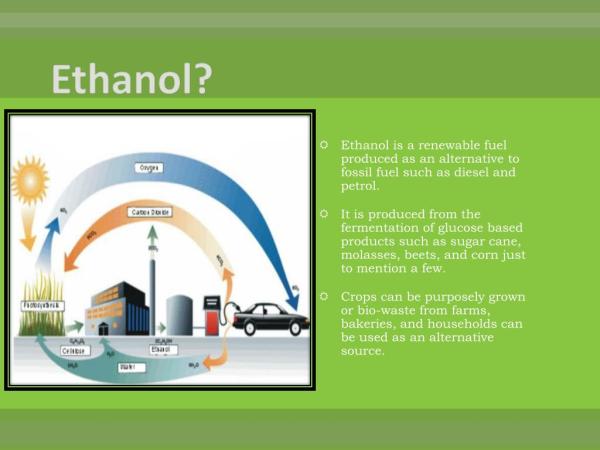
Here's the feel-good story. Most ethanol in the US comes from corn. Corn, as you may recall from those idyllic summers shucking ears with your grandpa, is a plant. And plants, through the magic of photosynthesis (remember high school biology?), soak up carbon dioxide from the atmosphere. This is the cornerstone of the “renewable” argument. We grow the corn, it sucks up CO2, we turn it into fuel, and theoretically, the carbon released when we burn that fuel is offset by the carbon the corn absorbed in the first place. It’s like a carbon-neutral see-saw! A beautiful, symbiotic relationship between humanity and agriculture! Cue the soaring music and slow-motion shots of farmers in overalls!
Must Read
Think of it like this: If you were to chop down a tree and burn it for firewood, and then immediately plant a new tree in its place, you'd essentially be renewing the resource. Ethanol, in this utopian vision, operates on the same principle.
But… (you knew there was a but coming, right?)… the reality is a little less picturesque.

The Murky Middle: When Renewable Gets…Less Renewable
Growing corn, even if it’s destined for our gas tanks, isn’t exactly a carbon-free picnic. First, there's the whole farming process. Tractors guzzling diesel, fertilizers produced in energy-intensive factories, pesticides sprayed from crop dusters… it all adds up. It’s like trying to bake a healthy cake, but you need a bunch of unhealthy ingredients just to get the oven going. That kinda defeats the purpose, doesn't it?
Then there’s the land use issue. Growing corn for ethanol often means clearing forests or converting grasslands into farmland. These natural habitats act as massive carbon sinks, storing away CO2. When we destroy them to plant corn, we release that stored carbon back into the atmosphere, and decrease our capacity to absorb future carbon emissions. It’s like robbing Peter to pay Paul, only Peter is Mother Nature and Paul is… well, our cars.
And let's not forget the water! Growing corn requires a lot of it, and in some areas, that water is becoming increasingly scarce. We're essentially burning water to make fuel, which seems a little…counterintuitive.
The Downright Dirty: When Ethanol Becomes the Villain
The final punch in the gut comes from the type of corn we use. Much of the corn grown for ethanol is genetically modified and requires heavy doses of pesticides and fertilizers. These chemicals can pollute waterways, harm wildlife, and even affect human health. It's a far cry from the idyllic image of family farms and sustainable practices. Some studies even suggest that the overall carbon footprint of corn ethanol is comparable to, or even worse than, gasoline when you account for all the factors.
“But wait!” you cry, brandishing your eco-friendly reusable water bottle. “What about other sources of ethanol? Like… switchgrass? Or algae?”

You’re right! There are other potential sources of ethanol that could be more sustainable. Switchgrass, for example, is a hardy perennial that requires less fertilizer and water than corn. Algae can be grown in wastewater and doesn't compete with food crops for land. These alternative ethanol sources are still in development, though, and face their own challenges. We're not quite at the point where we can power our cars with pond scum... yet.
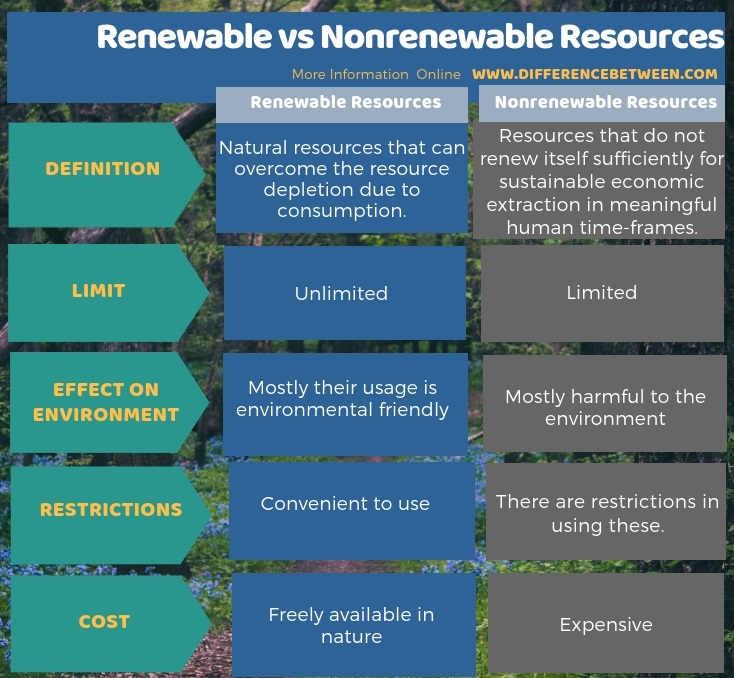
So, is ethanol a renewable resource? The answer, frustratingly, is: it depends. It depends on how it’s produced, where it’s produced, and what resources are used to produce it. The ideal vision of ethanol is definitely renewable, but the reality, at least with current corn-based practices, is much more complex.
The next time you fill up your gas tank, take a moment to ponder the journey your fuel has taken. Consider the fields of corn, the tractors, the fertilizers, the pipelines, and the carbon footprint. And maybe, just maybe, start thinking about alternative fuels and more sustainable transportation options. Because at the end of the day,
the only truly renewable resource is our ingenuity.