
Is Carbon Produced From Burning Fossil Fuels
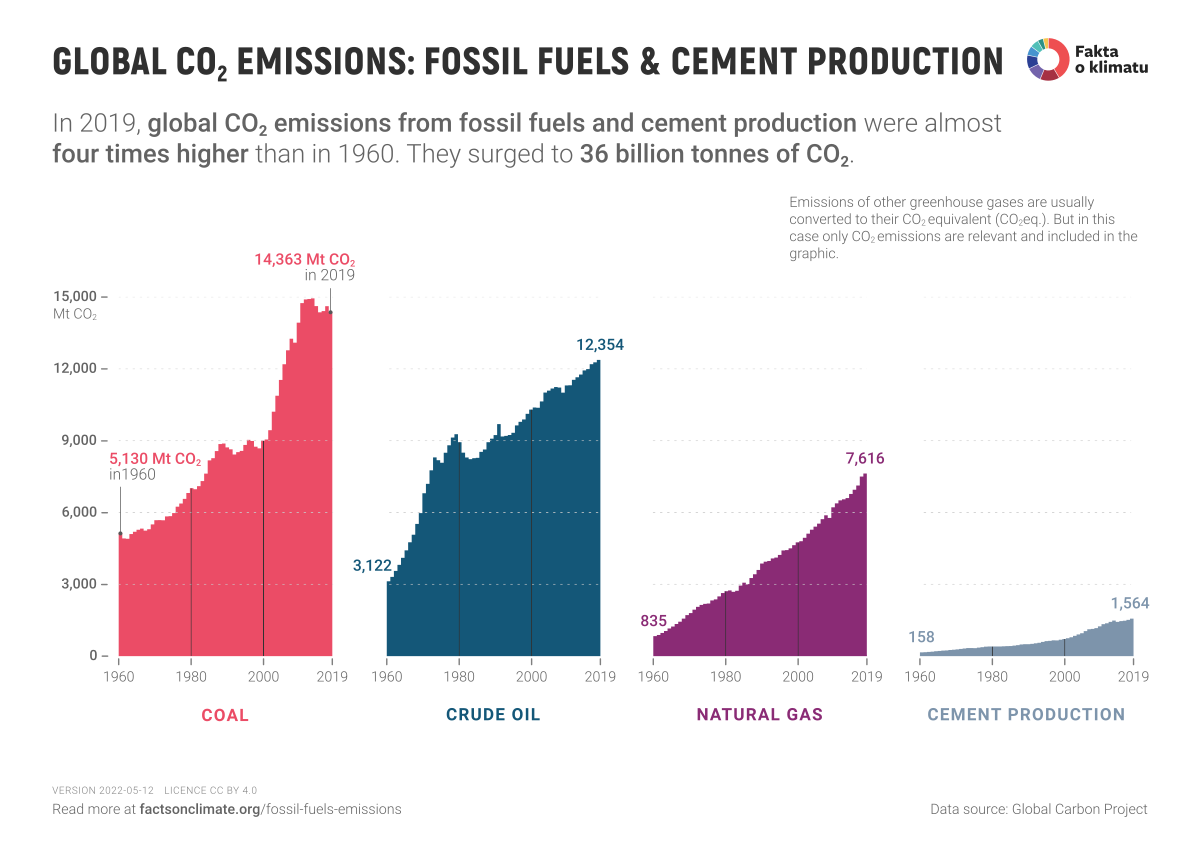
Hey! Wanna talk about fossil fuels? Yeah, I know, sounds boring. But trust me, it's cooler than you think. Especially when we get into the carbon part. Is it actually from burning them? Let's dive in!
So, What Are Fossil Fuels Anyway?
Think dino-juice! Okay, not exactly. But fossil fuels like coal, oil, and natural gas are basically the remains of ancient plants and animals. Squished and cooked under pressure for millions of years. Wild, right?
They're like nature's time capsules, packed with energy. And carbon, which is kind of the star of our show today.
Must Read
Carbon: It's Everywhere!
Seriously, everywhere. You, me, your phone, that weird sandwich in the back of your fridge. Carbon is a building block of life. It's in the air as carbon dioxide (CO2), which plants love because they use it for photosynthesis.
Think of carbon as a tiny LEGO brick. It happily connects with other LEGOs (atoms) to build… well, everything!
Fossil Fuels and Carbon: A Love Story (Gone Wrong?)
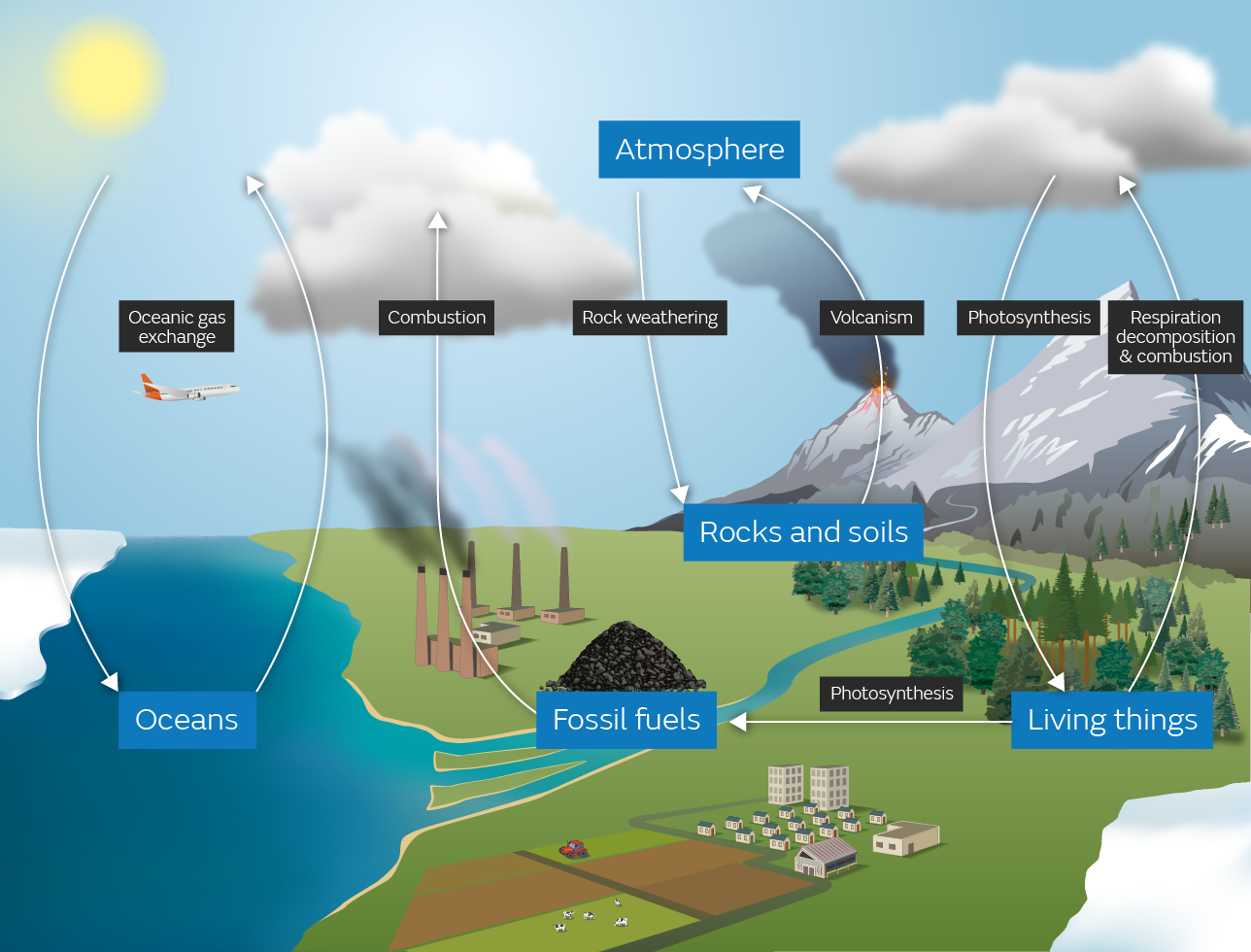
Here's the deal. Those ancient plants and animals sucked up CO2 from the atmosphere during their lifetimes. They used carbon to grow big and strong. When they died, that carbon got locked away underground, forming fossil fuels.
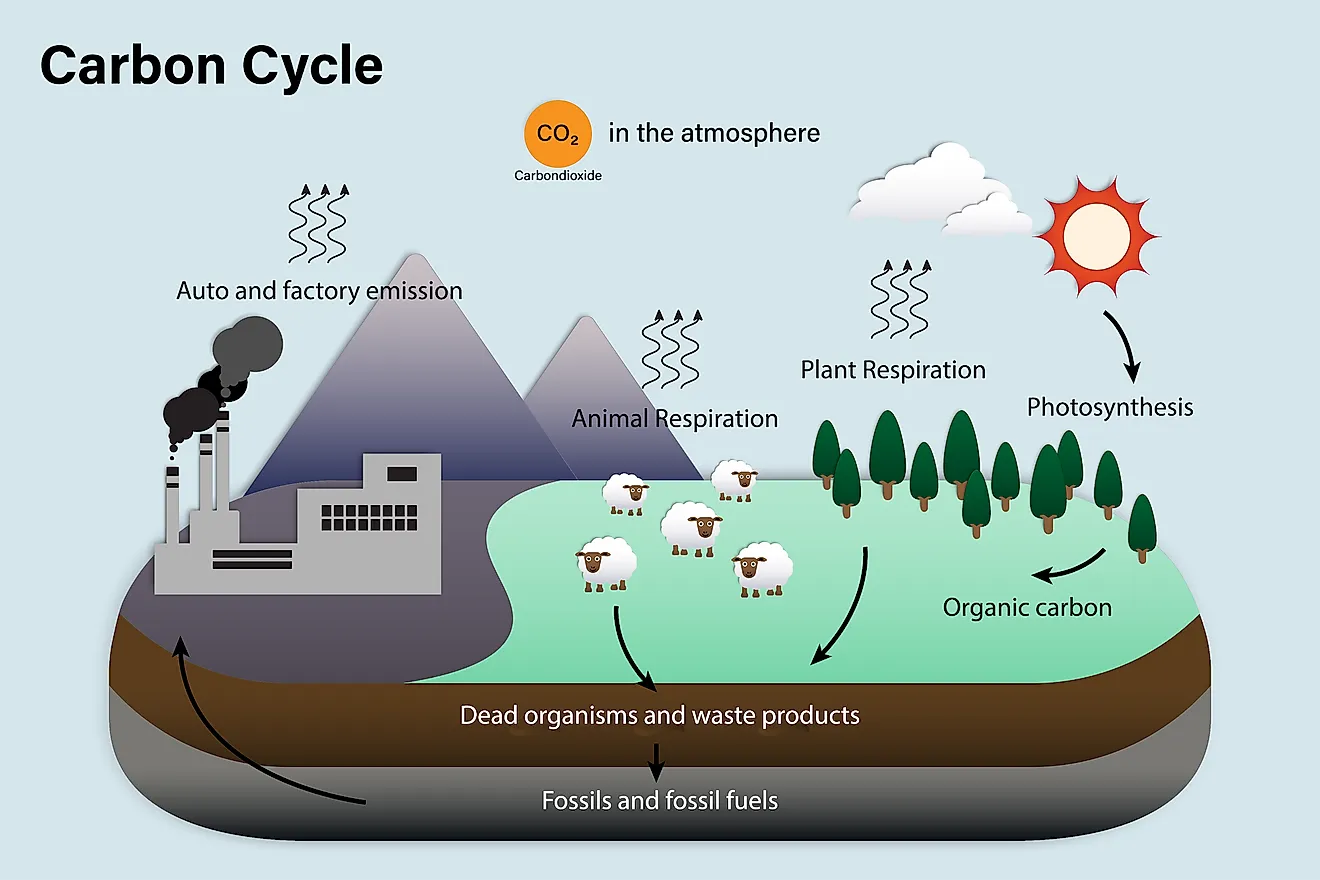
So, fossil fuels are basically concentrated carbon reservoirs. Like a vault filled with carbon LEGOs.
Burning Things Releases Carbon. DUH!
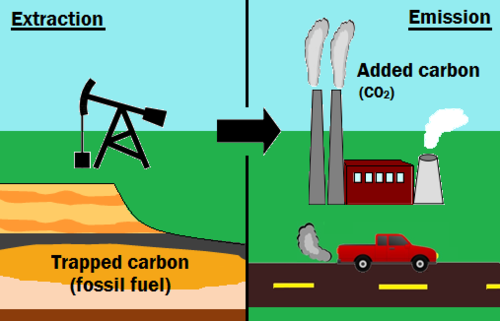
When we burn fossil fuels, we're essentially unlocking that carbon. We're breaking those bonds and releasing the carbon back into the atmosphere, primarily as CO2. It's like throwing all those LEGOs back into the box after carefully building something.
Is it from the fossil fuels? Absolutely! That's where the carbon was. For millions of years!
Think of it like this: You have a cake (fossil fuel). The sugar in the cake (carbon) was originally in the sugar cane (ancient plant). When you eat the cake (burn the fuel), the sugar (carbon) goes into your body (the atmosphere).
But Isn't CO2 Natural?
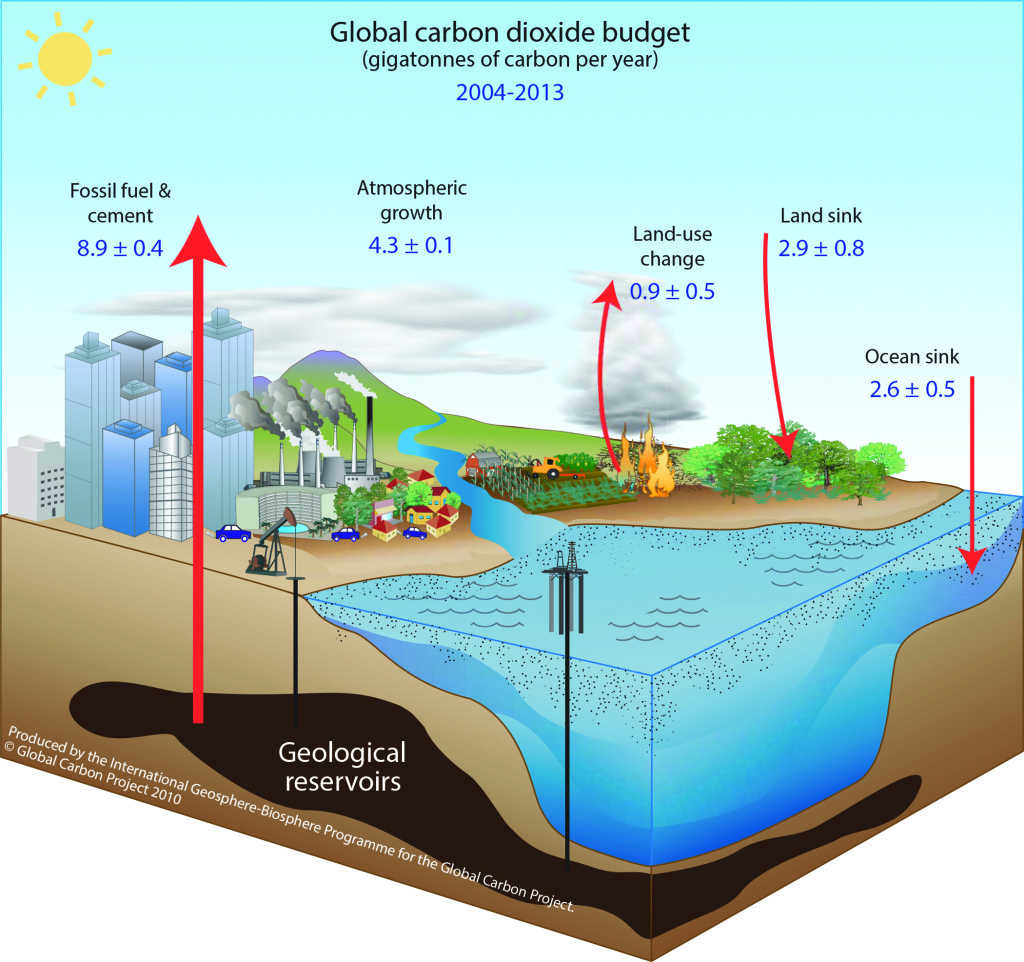
Yep! That's the kicker. CO2 is totally natural. Volcanoes release it. Plants absorb it. The Earth has its own carbon cycle. It's been doing its thing for ages.
The problem is balance. We're burning fossil fuels at a rate much faster than the Earth can naturally absorb the extra CO2. It's like pouring water into a bathtub faster than the drain can handle it. Eventually, it overflows. (Spoiler alert: climate change).
Okay, So What's the Big Deal with Extra CO2?
CO2 is a greenhouse gas. It traps heat in the atmosphere. A little bit is good. Too much is… well, not so good. Think of it like a blanket on your bed. One blanket is cozy. Five blankets on a summer night? Not so much.
That extra CO2 is causing the planet to warm up. That leads to melting glaciers, rising sea levels, more extreme weather events… you know, the whole shebang.
Funny (Not Really) Fact:
Did you know that if you burned all the fossil fuels on Earth, the atmosphere would become so thick with CO2 that plants would probably go nuts with growth… for a while, anyway. Then things would get really weird. Let's just say it's not a good experiment to try.
In Conclusion: Yes, Carbon is from Fossil Fuels
So, to answer the original question: Yes! The carbon released when we burn fossil fuels is carbon that was originally stored in those fuels. It was taken from the atmosphere by plants and animals millions of years ago.
Burning fossil fuels is like a fast-forward button on the carbon cycle. It's taking carbon that was safely tucked away underground and dumping it back into the atmosphere at an unprecedented rate.
Why Should I Care?
Because this stuff affects everyone! From the farmer whose crops are failing due to drought, to the coastal community facing rising sea levels, to the polar bear losing its home, this is a global issue.
It's a big problem, but understanding where the carbon comes from is the first step to finding solutions. Think about using less energy, supporting renewable energy sources, and talking about this stuff with your friends. Every little bit helps!
And hey, maybe you'll even impress someone at your next party with your newfound knowledge of carbon and fossil fuels. Who knows? Maybe you'll even start a revolution. (Okay, maybe not. But you'll sound smart!)
So, next time you flip a light switch or drive your car, remember that little carbon LEGO is going on a wild ride. And that it's originally from burning those ancient fossil fuels. Crazy, huh?